★ Your magazine. Your say. Complete our reader survey with a chance to win Jack Pyke kit worth £500! ★


Game farmer James Elliott: why the cheapest poult costs a shoot more
The Game Farm Ltd lost 3.4% of its birds this year, well under the industry average, and its co-founder says a well-reared poult costs only about 20p more than the cheapest. James Elliott’s advice to shoots, from his Sporting Gun profile


“Do not penny pinch.” That is the message to shoots from James Elliott, co-founder of The Game Farm Ltd and a pigeon shooter for most of his life, in a profile published by Sporting Gun this week, and it lands as shoots across the country settle up for the season just started and begin pricing next year’s birds.
Speaking to Sporting Gun’s Matt Kidd, Elliott described a business built the hard way: founded in 2022 when bird flu and Covid made pheasants difficult to source, run alongside a plumbing trade, and still waiting to break even. The loss figure and the price arithmetic behind his advice are the parts a keeper can take straight to the shoot’s accounts.
Why does James Elliott say the cheapest poult is a false economy?
Elliott has been a plumber and heating engineer for 24 years. In 2022 he and his business partner Mark established The Game Farm Ltd, and he now combines the two trades: game farming through the summer, then back to plumbing full-time once the rearing season ends. “We have invested considerably without drawing anything from the business yet, but hope to break even next year,” he told Sporting Gun.
The farm took its direction from George Davis, chairman of the Game Farmers’ Association. “Our aim is a quality, well-sized bird that flies strongly and belongs on the table,” Elliott said. “We keep numbers manageable and concentrate on enrichment, feed, water and cleanliness because reducing stress produces healthier birds – as such we are far from the cheapest supplier.”
That approach is where the loss figure comes from. “Our losses were 3.4% this year, which is much lower than industry average, but every bird must also leave us in the best condition to thrive after release,” he said. For the keeper, that last clause is the point: a poult that arrives strong is a poult that survives the pen.
On price, Elliott’s arithmetic is the kind a shoot treasurer can check. “Physically the difference between the cheapest poult and a well-reared bird is significant, but actually it is only a relatively small amount – say 20p per bird – versus all other costs in the long run,” he said. Set against feed, pens, labour and the rest of a season’s outlay, the premium for a well-reared bird is small; the cost of a weak one is paid in losses after release.
The game farmer’s advice for the release pen
Elliott is clear that his responsibility ends at the farm gate, and the keeper’s begins there. “Then, prepare your pens properly, provide clean water, cover and good feed,” he told Sporting Gun. “A game farm can only control the variables up to the point the stock changes hands.”
The same thinking runs through the way the farm rears. Enrichment, clean water and good feed reduce stress, and a bird that has not been stressed on the rearing field has the best chance of settling in the pen. The standard he sets himself, a bird that flies strongly and belongs on the table, is the one a shoot’s Guns and its game dealer will judge the season by.
What does the pigeon shooter in him say about fieldcraft?
Nobody in Elliott’s family shot. At eight or nine he visited his grandfather’s allotment near Wanstead Flats, where an old boy called Jim Bradshaw kept two Labradors and used an air rifle to control the woodpigeons raiding his crops. “I followed him around when we would visit in the summer holidays, fascinated by the dogs, rifle and pigeons,” Elliott said. Growing up on the Hertfordshire and Essex border, then still rural, he bought an air rifle of his own and hid it in the shed. “It was not the most responsible start, but by then shooting had already got hold of me.”
Pigeons have held him ever since, and for a reason any keeper will recognise. “It is the fieldcraft and challenge of outwitting something which keeps me coming back. I am a hunter rather than somebody interested in pulling the trigger,” he said. “Pigeon shooting means finding the flightline, understanding the crops, locating roosting woods, deciding where you can shoot safely and so much more.” The same, he added, applies to stalking and to the wildfowling he enjoyed in his twenties: “success comes from reading the quarry and the land.”
He also shoots walked-up and mini-driven training days for gundog clubs, where novice dogs that have spent the summer on dummies meet live game for the first time. “The birds must be sporting and the shooting safe and decisive,” he said; he shot eight or 10 such days last season. His friendship with Sporting Gun’s guest editor Dan Thor grew from the same ground. The two had known of each other for more than 10 years, chasing the same local pigeons, before becoming friends about 18 months ago, and have shared four or five days in a hide this year.
Hide essentials, chokes and cartridges
Asked for his pigeon-hide essentials, Elliott listed a comfortable seat, strong hide poles and layered nets in different shades, finished with natural branches; he likes quite light colours. A flapper or rotary can help, “but you must remove it when pigeons react badly”. Tea-making facilities and snacks matter on a long cold day. “Above all, be in the right place: fieldcraft will outperform expensive equipment every time.”
His gun is a 30in Miroku MK60. For pigeons and clays he uses quarter and three-eighths or half chokes, tightening slightly for roost shooting; over decoys he favours Eley Select 30g No 6, with Hull Superfast Pigeon 32g No 5½ for longer birds and game. He uses fibre wads away from the clay ground, “because I will not leave plastic in the countryside”, a line that will please every keeper who has picked plastic wads out of a cover crop.
The bucket list still has driven grouse “right up there”. Having shot in South Africa, he would like to visit Argentina, but for the complete experience of ducks as well as doves “rather than concentrating on numbers alone”.
What happens next
The Game Farm Ltd hopes to break even in 2027, its fifth rearing season. Shoots pricing next year’s poults can read Elliott’s full profile in Sporting Gun, and the Game Farmers’ Association, whose chairman George Davis advised the farm, publishes guidance on buying and receiving poults for its members and for shoots.
Frequently asked questions
How much more does a well-reared pheasant poult cost?
Game farmer James Elliott told Sporting Gun the difference between the cheapest poult and a well-reared bird is only a relatively small amount, about 20p per bird, when set against all the other costs of a season.
What losses did The Game Farm Ltd record this year?
The Game Farm Ltd, founded in 2022 by James Elliott and his business partner Mark, recorded losses of 3.4% this year, which Elliott says is much lower than the industry average.
What should a shoot do when poults arrive?
Elliott’s advice is to prepare the pens properly and provide clean water, cover and good feed, because a game farm can only control the variables up to the point the stock changes hands.
 Closes 15 JanuaryWorth £129.90Win a pair of tickets to the British Shooting Show 2027Enter nowFree to enter
Related Articles
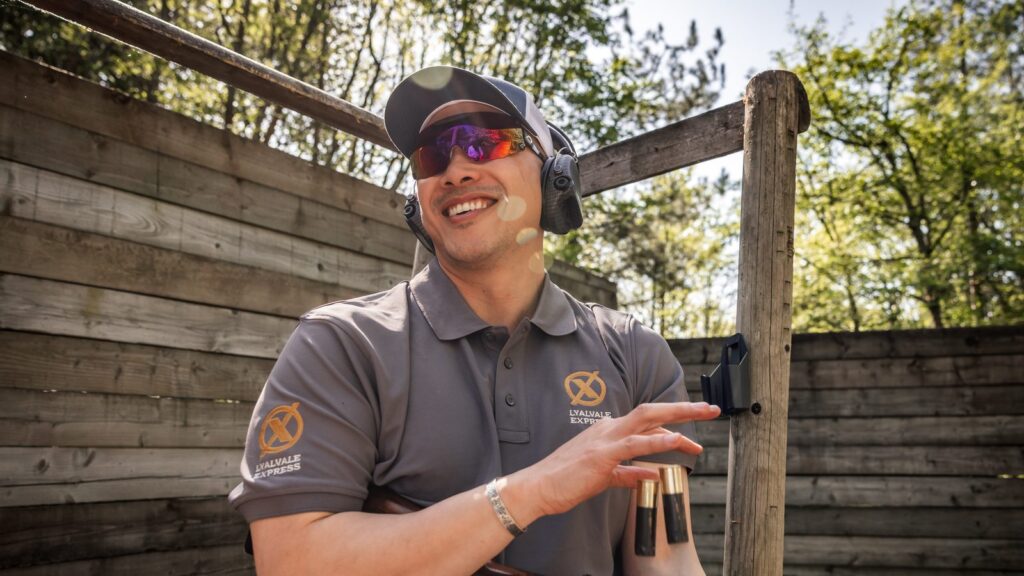
Actor Jason Wong: from Guy Ritchie’s film set to a voice for game shooting
The Star Wars and The Gentlemen actor took up clay shooting because Guy Ritchie told him to. Three seasons on he is shooting registered English sporting, taking driven days and telling the sport’s cri...
By News Desk | 1 October 2026

Young shots: red deer, riflescopes and venison burgers
The last week of the summer holidays, and red deer take centre stage: what makes them Britain's largest wild land mammal and when their seasons run. There is also clay shooting with BASC, the parts of...
By Shooting Times | 30 August 2026
Get the latest news delivered direct to your door
Subscribe to Shooting Times & Country
Discover the ultimate companion for fieldsports enthusiasts with Shooting Times & Country Magazine, the UK’s leading weekly publication that has been at the forefront of shooting culture since 1882. Subscribers gain access to expert tips, comprehensive gear reviews, seasonal advice and a vibrant community of like-minded shooters.
Save on shop price when you subscribe with weekly issues featuring in-depth articles on gundog training, exclusive member offers and access to the digital back issue library. A Shooting Times & Country subscription is more than a magazine, don’t just read about the countryside; immerse yourself in its most authoritative and engaging publication.
 New competitionWin a pair of tickets to the British Shooting Show 2027Worth £129.90Closes 15 JanuaryEnter now ›