★ Your magazine. Your say. Complete our reader survey with a chance to win Jack Pyke kit worth £500! ★


Moorland Association welcomes Natural England shift on wildfire
Natural England now publicly accepts that reducing moorland fuel loads is essential, says the MA, but asks why prescribed burning is still missing
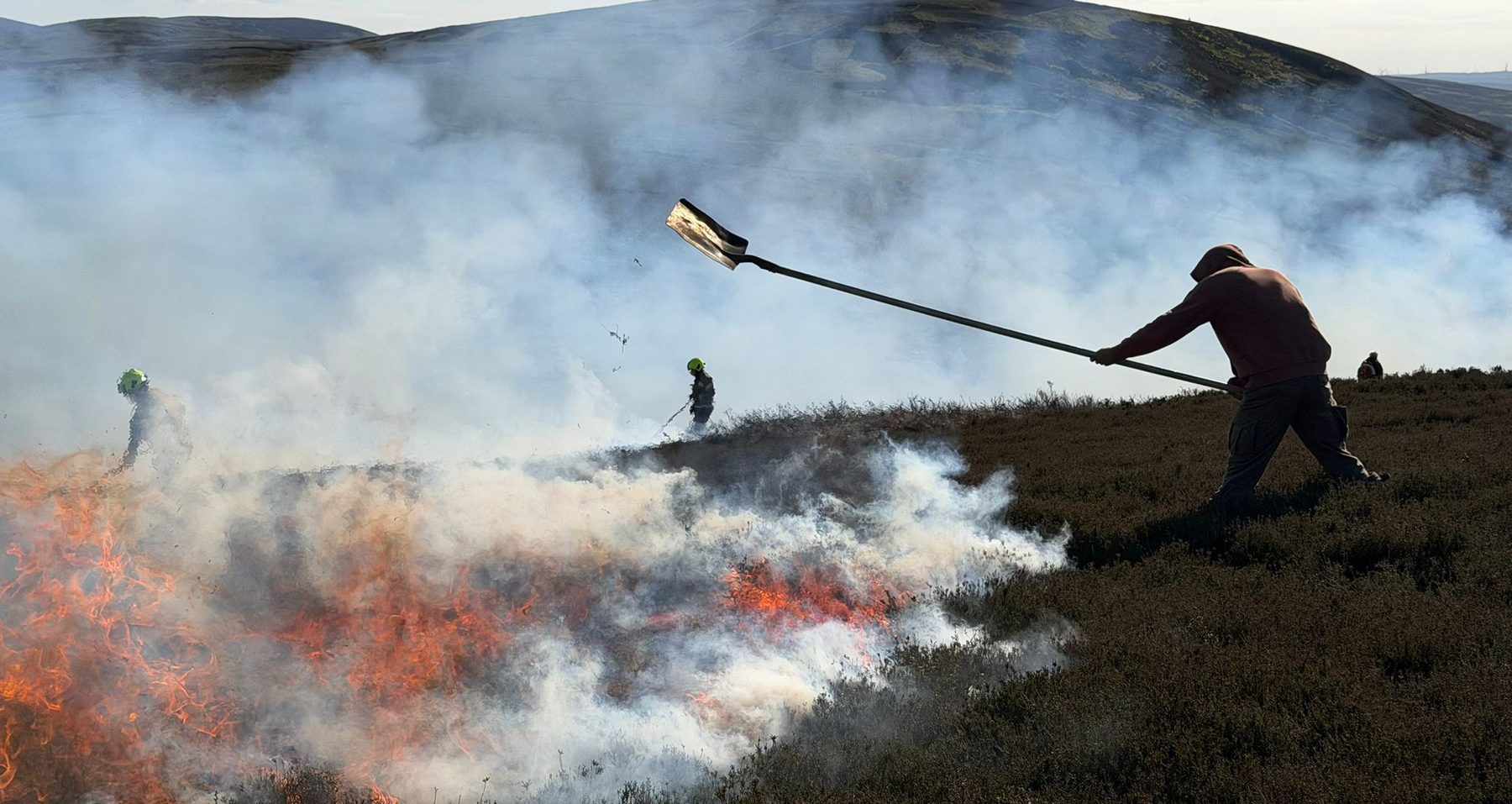

The Moorland Association (MA) has welcomed what it calls a significant shift in Natural England’s public position on wildfire, after the regulator’s regional director Ruth Waters acknowledged in a blog on Monday 10 August that reducing fuel loads is essential to preventing catastrophic moorland fires. The association says policy must now catch up with the words.
What has Natural England accepted?
According to the MA’s analysis, published the same day by chief executive Andrew Gilruth, Natural England now publicly accepts that managing vegetation through grazing, cutting and firebreaks is an essential part of wildfire prevention, a case land managers have pressed throughout a summer of record fire activity.
The association notes one omission: prescribed burning. Cool-season controlled burns remain absent from the regulator’s list of accepted tools, even though, as the MA points out, Natural England’s own management plan for its Thursley nature reserve includes controlled burns.
Where does licensing still block the work?
The MA argues that consents and licensing continue to hold back practical fuel management on the ground, citing a burning licence at Hurst and Chunal in the Peak District that expired unused. The association asks “whether Natural England will apply to land managed by others the same wildfire-management principles it recognises as necessary on its own” reserves, pointing to the fuel-management standards accepted at Humberhead Peatlands.
The exchange follows the MA’s public deadline to Natural England over moorland access closures during extreme fire risk, and a summer in which gamekeepers have repeatedly fought fires alongside professional crews.
What happens next
The MA wants the regulator’s acknowledgment turned into working policy: consents that allow fuel reduction at scale, and parity between what Natural England practises on its own reserves and what it permits elsewhere. Ruth Waters’ blog and the MA’s full response are both online.
Frequently asked questions
What has changed in Natural England’s wildfire position?
Its regional director Ruth Waters publicly acknowledged that reducing moorland fuel loads through grazing, cutting and firebreaks is essential to wildfire prevention, language the Moorland Association reads as a welcome shift.
Why is prescribed burning still contested?
Controlled cool-season burning reduces the fuel that feeds summer wildfires, but it remains omitted from Natural England’s accepted toolkit for others’ land, even though the regulator’s own Thursley reserve plan includes controlled burns.
What is the Moorland Association asking for?
Policy to follow the words: consents and licences that let land managers reduce fuel loads at scale, applied to private moorland on the same principles Natural England recognises on its own reserves.
Related Articles

Tindall, Haskell and Payne to host British Shooting Show main stage
The trio behind The Good, The Bad and The Rugby take the main stage on the afternoon of Friday 12 February 2027 and host the Great British Shooting Awards, the trade ceremony that last year crowned a ...
By News Desk | 29 September 2026

New medical conditions added to firearm and shotgun certificates
Certificates granted from 29 September will require holders to tell police of new diagnoses and any treatment outside their GP practice
By News Desk | 29 September 2026
Get the latest news delivered direct to your door
Subscribe to Shooting Times & Country
Discover the ultimate companion for fieldsports enthusiasts with Shooting Times & Country Magazine, the UK’s leading weekly publication that has been at the forefront of shooting culture since 1882. Subscribers gain access to expert tips, comprehensive gear reviews, seasonal advice and a vibrant community of like-minded shooters.
Save on shop price when you subscribe with weekly issues featuring in-depth articles on gundog training, exclusive member offers and access to the digital back issue library. A Shooting Times & Country subscription is more than a magazine, don’t just read about the countryside; immerse yourself in its most authoritative and engaging publication.