

Assembly researchers echo keepers’ fears over NI hunting bill
UPDATED 14 September: Stormont's own research service has put the two-dog limit, the missing licensing route and the penalties in front of MLAs, and Countryside Alliance Ireland says the questions match its own
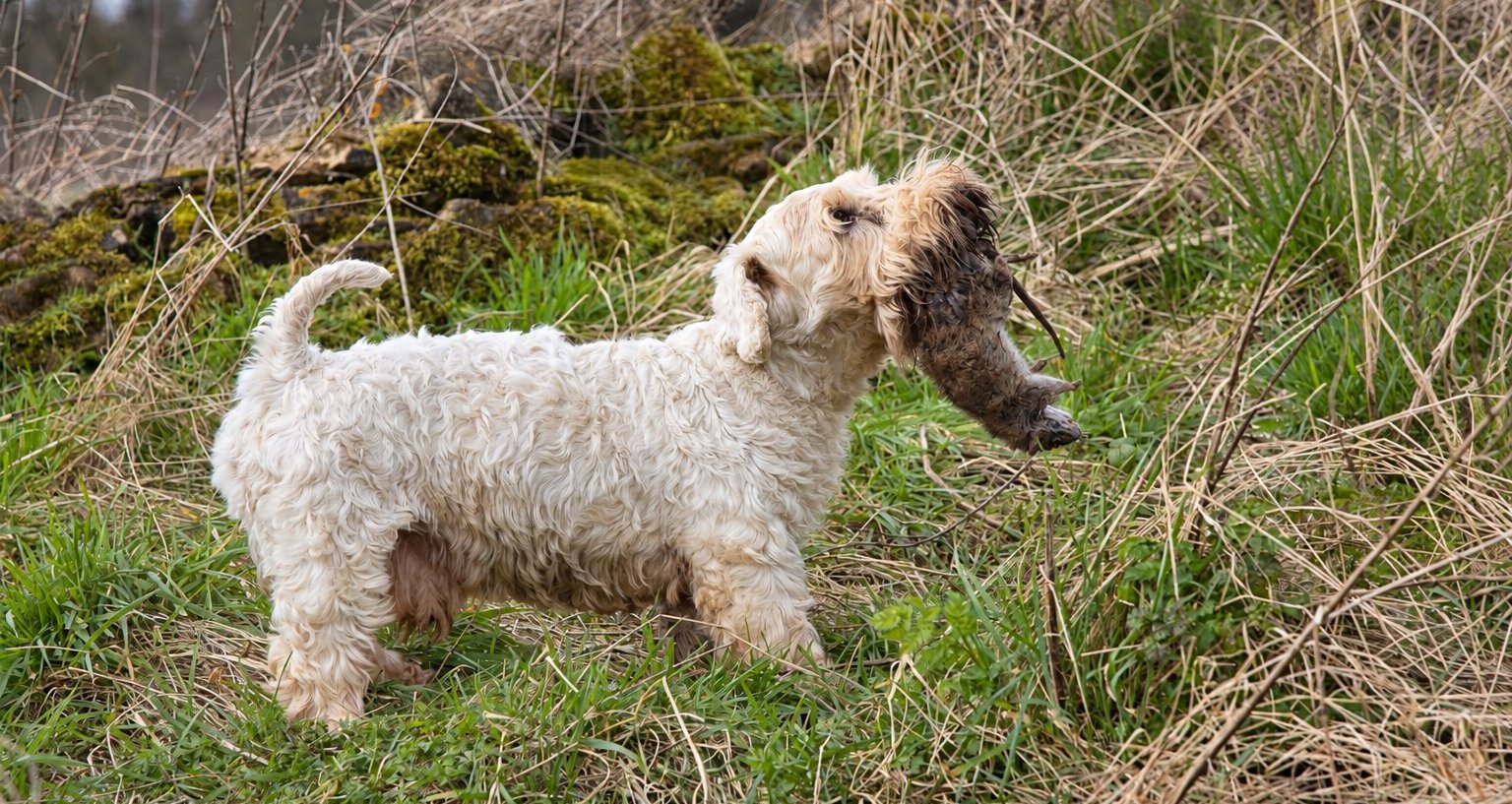

The Northern Ireland Assembly’s own research service has told the committee scrutinising the Hunting with Dogs Bill that the legislation would go further than the law in England, Wales and Scotland, and has put its definitions, exemptions and penalties in front of MLAs as open questions. Countryside Alliance Ireland said on 14 September that the points raised by the Research and Information Service (RaISe) are the same ones it has been putting to the Assembly since the bill was introduced in April.
What has the research service told the committee?
Mark Allen of RaISe briefed the Agriculture, Environment and Rural Affairs Committee on 10 September. According to Farming Life’s report of the session, he told MLAs the bill would broadly align Northern Ireland with the rest of the UK but in several respects would go further than England, Wales and Scotland, and that the scale of hunting with dogs in the province had proved hard to quantify because it takes in everything from organised hunts to terrier work, falconry and shooting. The paper identified around 20 organised hunts and 544 dogs.
The public consultation on the bill’s proposals ran from October 2024 to January 2025 and drew 12,011 responses, 4,864 of them from Northern Ireland residents. Among those residents, 72% supported a ban on hunting with dogs and about 70% supported a ban on trail hunting. Opponents of the bill, the researcher said, focused on pest control, biodiversity management, rural tradition, economic impact and the cost of enforcement.
Countryside Alliance Ireland says the research paper asks whether the bill’s definitions are clear enough, whether its exemptions are workable, whether there should be a licensing scheme, whether the penalties are proportionate and whether the rural and economic impact has been properly assessed. It says the committee chair asked what would happen when a dog slips its lead and follows a scent, and that the bill’s offence of participation reaches a dog merely pursuing the scent of a wild mammal.
The two-dog limit and the missing licence
The point that matters most to keepers is the one Countryside Alliance Ireland says RaISe has flagged for pest and predator control: the two-dog limit. Article 23F, the bill’s above-ground management exemption, allows a dog to search for, stalk or flush a wild mammal only to prevent serious damage to livestock, crops, timber or pasture, to prevent disease, to protect human health or to protect biodiversity. It requires that no more than two dogs are used, that they are under control, that the landowner has given permission and that the quarry is shot dead as soon as reasonably possible. Gamebirds are not on the list of purposes.
Unlike the Hunting with Dogs (Scotland) Act 2023, the bill contains no licensing route that would let conservation or pest-control work continue with more than two dogs, a gap Countryside Alliance Ireland says RaISe has asked the committee to consider filling, citing the committee’s own visit to Glenwherry in the Antrim hills. Terrier work is prohibited outright, with no exemption, and the only quarry exempted altogether are rats and mice. The Hunting Act 2004 in England and Wales also exempts rabbits.
The penalties are set out in clause five: on summary conviction up to 12 months’ imprisonment or a fine of up to £20,000, or both, and on indictment up to five years’ imprisonment or an unlimited fine. Countryside Alliance Ireland says these are considerably higher than the penalties that apply to hare coursing in Northern Ireland, and that unlike similar legislation elsewhere in the UK the bill carries no statutory defence for someone who genuinely and reasonably believed they were acting within an exemption.
Gary McCartney, writing for Countryside Alliance Ireland, said: “For professional dog walkers, or anyone exercising working breeds with a natural instinct to hunt, that is not a technicality. It’s the difference between a walk in the park and a criminal record carrying up to five years in prison.”
He added: “This is not a bill that has been rubber-stamped by scrutiny. It is a bill whose own scrutiny process keeps turning up unanswered questions.”
What will enforcement cost?
The bill’s financial memorandum said it would carry no direct cost. Countryside Alliance Ireland says RaISe found that neither the Department of Agriculture, Environment and Rural Affairs, the Department of Justice nor the Police Service of Northern Ireland has yet been able to say what enforcement would cost, at a time when Stormont is operating under an emergency budget, and that fine income would go to the consolidated fund rather than back into enforcement. It also says legal advice obtained after its own correspondence confirms the Speaker will formally reconsider the bill’s legislative competence before its final stage.
What happens next
The Hunting with Dogs Bill was introduced by John Blair MLA on 27 April 2026 as a non-executive bill, passed its Second Stage on 26 May and is at Committee Stage. The committee’s call for evidence closed on 24 August and its evidence sessions continue; its report will precede Consideration Stage in the chamber. If the bill passes, it comes into operation six months after Royal Assent, and the department must review its operation at least once every five years. Countryside Alliance Ireland is asking members to keep watching the detail on definitions, penalties and cost, which it says will decide what rural life looks like if the bill becomes law.
Frequently asked questions
What is the two-dog limit in the Hunting with Dogs Bill?
Every exemption in the bill that allows a dog to be used on a wild mammal above ground, including flushing to guns for pest control, requires that no more than two dogs are used and that they do not join with others to form a pack of more than two. There is no licence to use more.
Does the bill ban terrier work in Northern Ireland?
Yes. Article 23D makes it an offence to organise or participate in terrier work, defined as inducing a dog to enter a hole or enclosed space to flush or help dig out a wild mammal, and none of the bill’s exemptions applies to it.
What are the penalties in the Hunting with Dogs Bill?
Up to 12 months’ imprisonment or a fine of up to £20,000, or both, on summary conviction, and up to five years’ imprisonment or an unlimited fine on conviction on indictment.
 Closes 15 JanuaryWorth £129.90Win a pair of tickets to the British Shooting Show 2027Enter nowFree to enter
Related Articles
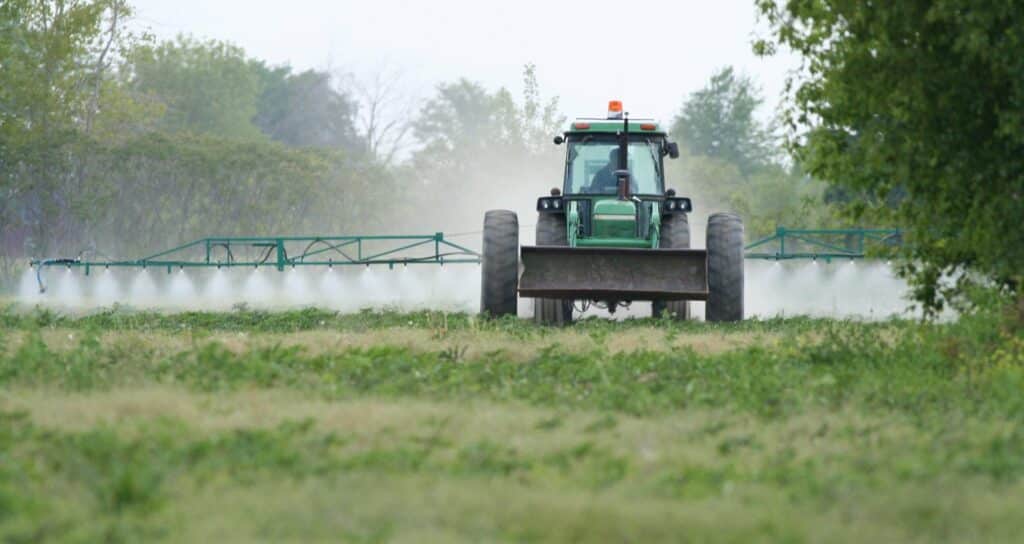
Tribunal ruling opens farmers' pesticide records to public requests
The General Regulatory Chamber has ruled that the spray records farmers must keep are held on the Health and Safety Executive's behalf and can be requested by the public, after a case brought to a hea...
By News Desk | 9 November 2026
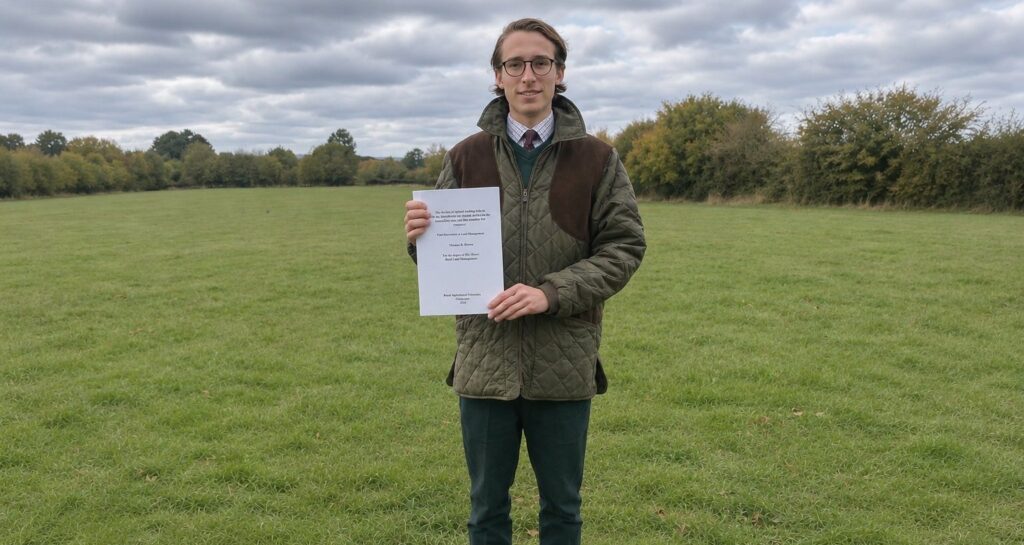
Game shooting can be justified, student, 17, tells Government review
Felix Hodgkinson-Last weighed both sides of the argument for his A-level project, concluded the sport can be justified, and filed it as evidence
By News Desk | 5 November 2026
Get the latest news delivered direct to your door
Subscribe to Shooting Times & Country
Discover the ultimate companion for fieldsports enthusiasts with Shooting Times & Country Magazine, the UK’s leading weekly publication that has been at the forefront of shooting culture since 1882. Subscribers gain access to expert tips, comprehensive gear reviews, seasonal advice and a vibrant community of like-minded shooters.
Save on shop price when you subscribe with weekly issues featuring in-depth articles on gundog training, exclusive member offers and access to the digital back issue library. A Shooting Times & Country subscription is more than a magazine, don’t just read about the countryside; immerse yourself in its most authoritative and engaging publication.

