★ Win four pegs on a Kent simulated game day with JBD Sporting worth £1,000! Click to enter ★

Raasay to open island’s first venison processing facility
A disused ferry store will become a community-owned, solar-powered venison facility, keeping deer carcasses on the island and training island butchers
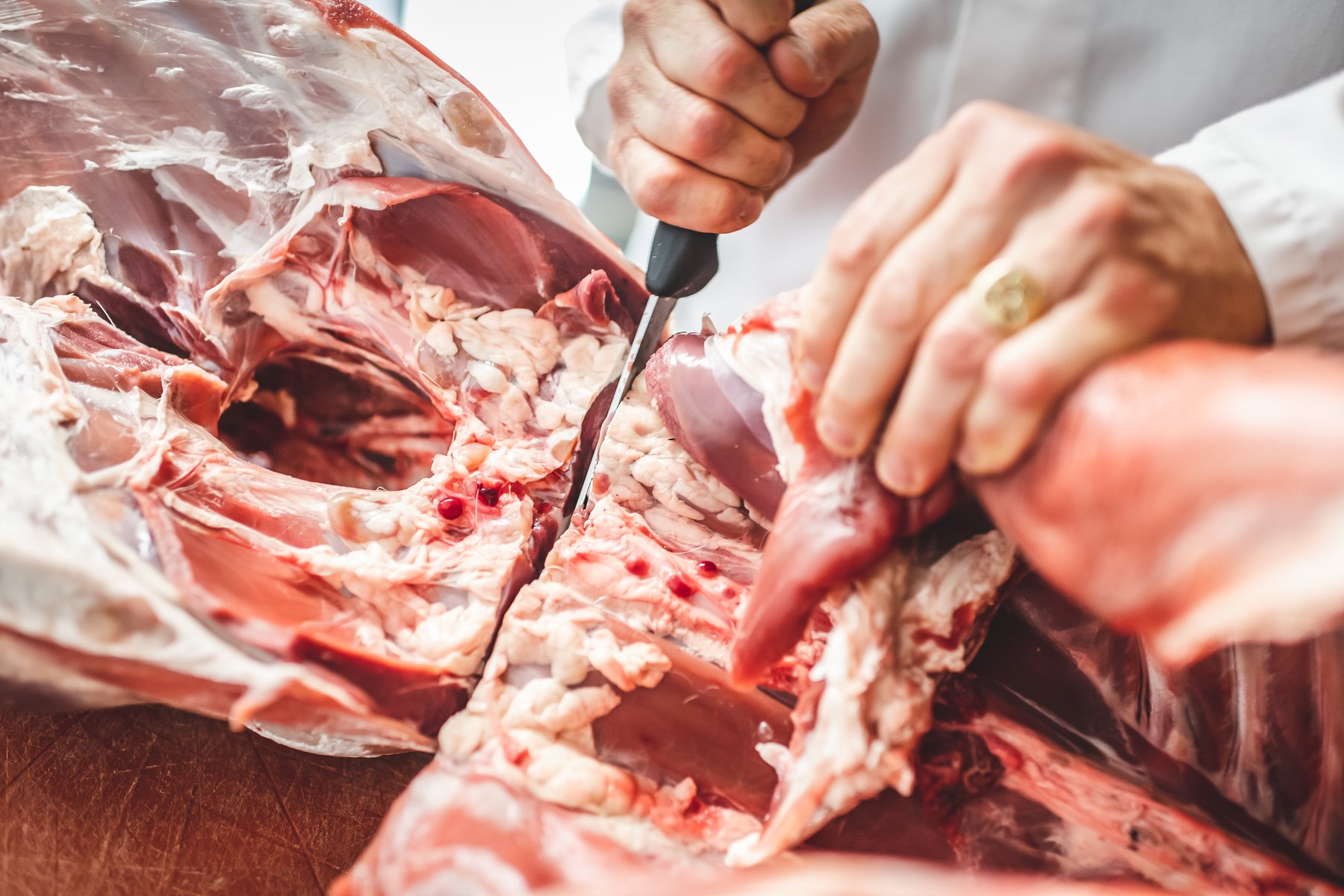 Venison processing facility is planned on the Isle of Raasay · Credit: Sarah Farnsworth

The island of Raasay is to convert a disused ferry store into its first venison processing facility, backed by almost £129,000 of Scottish Government funding announced on 29 July. The community-owned, solar-powered venison processing facility will end the need to ship deer carcasses off the island and will bring butchery training to Raasay.
Why does the facility matter for deer management?
Raasay’s crofting community has managed its own deer for generations, but until now every carcass has had to leave the island for processing. Converting the former East Suisnish Ferry Pier Store into a food production hub keeps the venison, the jobs and the skills at home.
Tom Lusink, community development officer at the Raasay Development Trust, said: “The island’s most significant carbon levers lie within its natural environment, and if the island is to reach net zero, sustainable deer management will need to be part of it. Building the venison processing facility builds on the crofting community’s legacy of taking ownership for its deer management, and we will continue to support community stewardship of the island.”
As well as sustaining local jobs and delivering butchery training, the facility will run a “Hill to Plate” education programme with Raasay Primary School and nursery, connecting the island’s young people with sustainable land management. The Scottish Government says the project will cut carbon emissions by around 136 tonnes a year.
What else is being funded?
Raasay is one of five island communities, alongside Barra, Great Cumbrae, Hoy and Islay, sharing £750,000 in the latest round of the Carbon Neutral Islands programme, which is helping the islands towards a carbon-neutral target of 2040. The island has also received £78,000 to restore habitats by controlling an invasive plant species and planting 4,000 native trees. The round brings the programme’s total investment to £4.65 million since it launched in 2021.
Gillian Martin, Cabinet Secretary for Climate Action and Rural Affairs, said: “These projects show how tackling climate change can create jobs, grow local economies and keep more money in island communities.”
Councillor John Finlayson, chair of Highland Council’s Eilean a’ Cheò area committee, said the investment “will help create training opportunities, strengthen community wealth building, support local contractors and retain more economic value within the island”.
What happens next?
Work will now begin on converting the pier store into the solar-powered food production hub, with butchery training and the Hill to Plate schools programme to follow. Full details of the Carbon Neutral Islands programme are on the Scottish Government’s website.
Links
Frequently asked questions
Where will Raasay’s venison processing facility be?
In the former East Suisnish Ferry Pier Store, a disused building beside the island’s ferry pier, which is being converted into a solar-powered, community-owned food production hub.
Who is paying for it?
The Scottish Government’s Carbon Neutral Islands programme has awarded almost £129,000 for the facility, part of a £750,000 round shared by Raasay, Barra, Great Cumbrae, Hoy and Islay.
What is the Hill to Plate programme?
An education programme run with Raasay Primary School and nursery that connects the community with sustainable land management, following venison from the hill to the table.
Related Articles
News
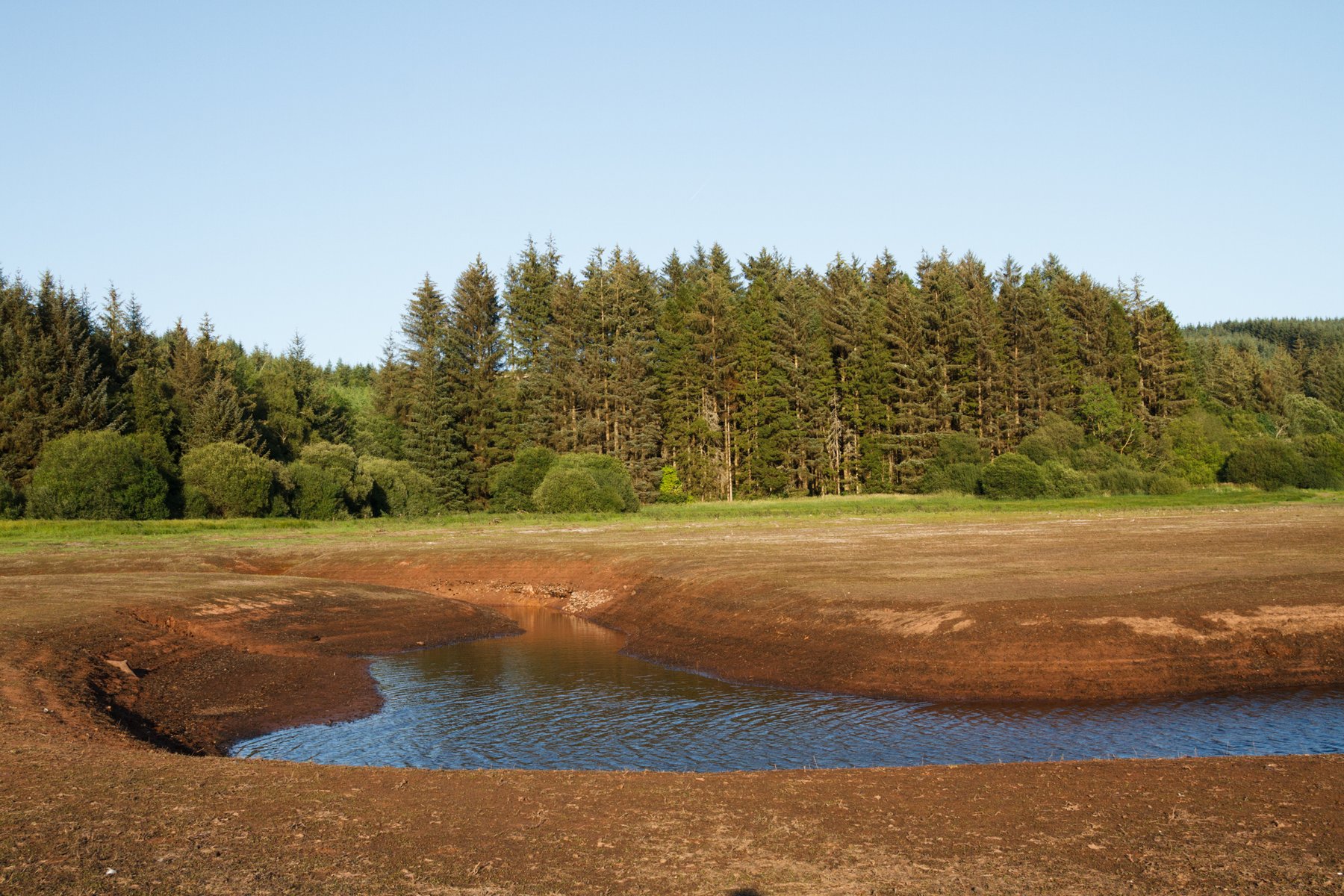
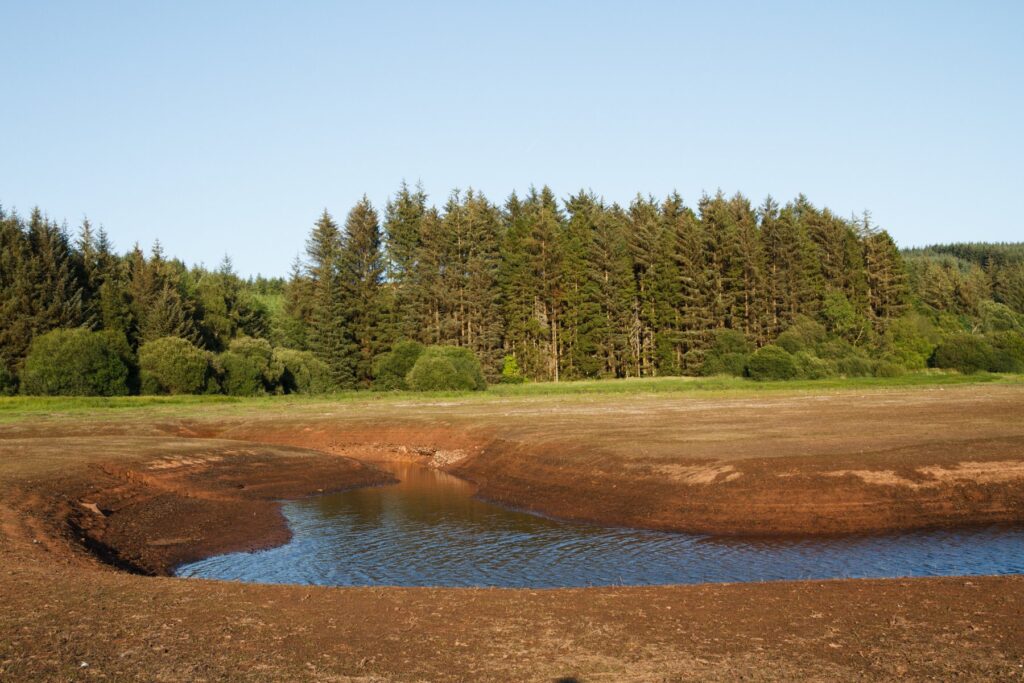
Drought declared across all of Wales as season nears
Natural Resources Wales has extended drought status to the whole country after the driest July in 190 years of records, with rivers exceptionally low and wildfire risk severe as shoots prepare for the...
By News Desk

News
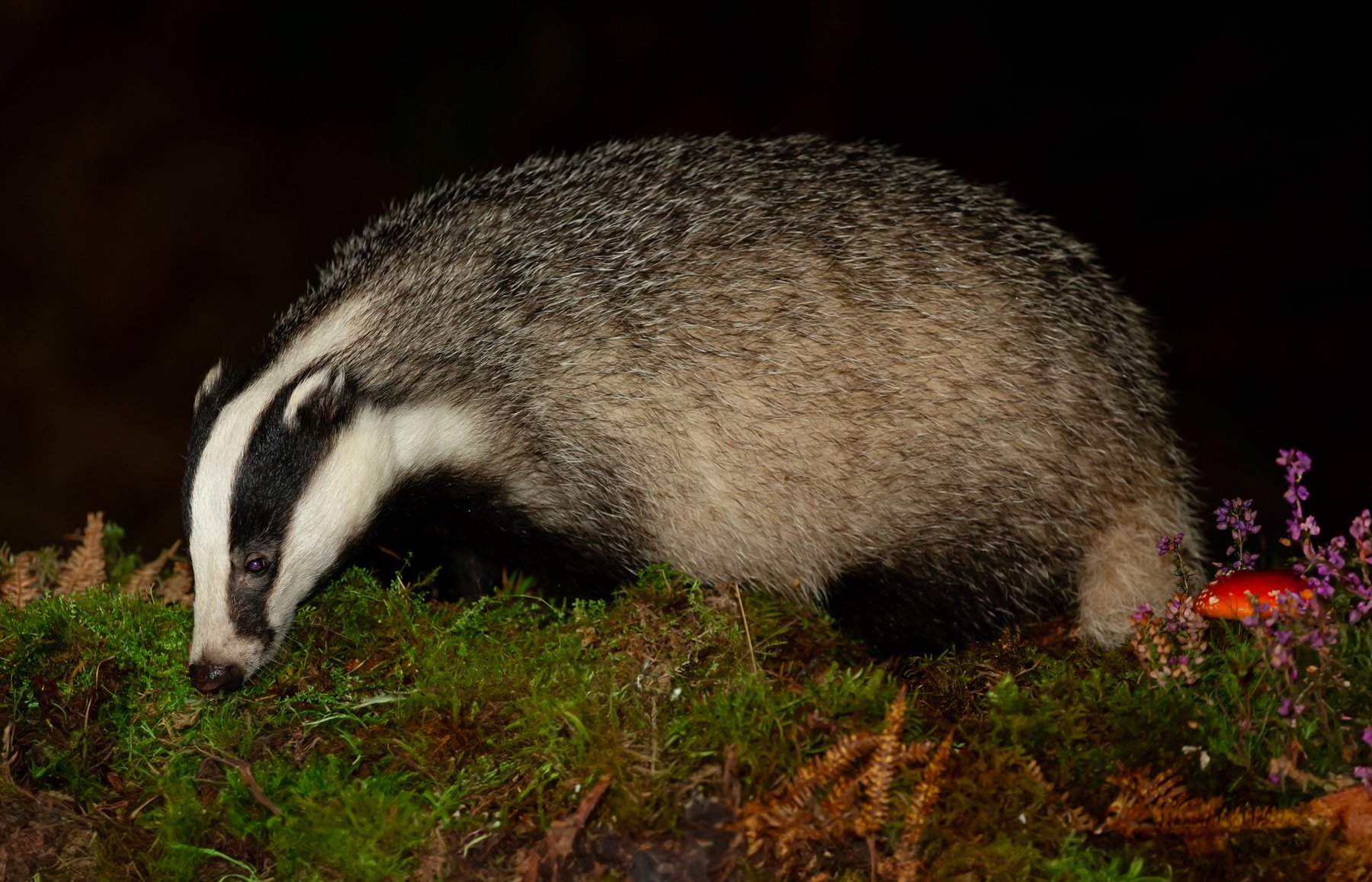
Badger cull ends as final figures are published
Natural England confirms every culling licence has ended and the last will not be renewed, as vaccination and cattle measures take over
By News Desk
Get the latest news delivered direct to your door
Subscribe to Shooting Times & Country
Discover the ultimate companion for fieldsports enthusiasts with Shooting Times & Country Magazine, the UK’s leading weekly publication that has been at the forefront of shooting culture since 1882. Subscribers gain access to expert tips, comprehensive gear reviews, seasonal advice and a vibrant community of like-minded shooters.
Save on shop price when you subscribe with weekly issues featuring in-depth articles on gundog training, exclusive member offers and access to the digital back issue library. A Shooting Times & Country subscription is more than a magazine, don’t just read about the countryside; immerse yourself in its most authoritative and engaging publication.