
Red squirrel petition passes 10,000 with no Government assessment made
The petition to put reds on the European protected species list beside bats and beavers has earned a Government response, and the change it asks for would alter how keepers and foresters work in red country


A petition asking for red squirrels to be given the same legal protection as beavers and bats stood at 10,884 signatures on 24 November, nearly two weeks after it crossed the 10,000 that oblige the Government to respond. The response is still to come, and the Department for Environment, Food and Rural Affairs (Defra) told MPs on 23 November that no assessment has been made of the change the petition asks for.
What does the petition ask for?
Started by Marie Carter-Robb, the founder of the campaign group Save Our Reds, the petition asks the Government to lay secondary legislation adding red squirrels to Schedule 2 of the Conservation of Habitats and Species Regulations 2017 in England, the list of European protected species that already carries bats, otters, dormice and beavers. It opened on 26 October and runs until 26 April 2027.
Its case rests on a gap in the law. Red squirrels are protected under the Wildlife and Countryside Act 1981, but the petition says someone who destroys a drey can rely on the defence that it was the unavoidable, incidental result of a lawful operation, a defence it says was removed for bats, dormice and otters in 2007 and never for reds. It cites a Natural England projection that, if nothing changes, red squirrels will disappear from mainland England within 25 years.
What has the Government said?
The Labour MP Patrick Hurley asked the Environment Secretary on 10 November whether she had assessed the merits of adding red squirrels to Schedule 2. Jenny Riddell-Carpenter, a Defra minister, answered on 23 November: “No assessment has been undertaken.” She said red squirrels are not listed in Annex IV(a) of the Habitats Directive and for that reason are not included in Schedule 2, and pointed to the protection they already have under the 1981 Act.
The petition’s progress page records that the Government will respond, as it does to any petition passing 10,000 signatures; at 100,000 it would be considered for a debate in Parliament. Ms Carter-Robb has said listing would be “not a silver bullet”, with disease, greys and habitat loss still to be tackled, in comments reported by the Yorkshire Post.
How listing would change the keeper’s and the forester’s work
For anyone managing woodland in red country, from Kielder and the Cumbrian fells to Formby, Anglesey and the Isle of Wight, the practical difference lies in regulation 43 of the 2017 Regulations. Deliberately killing, injuring, capturing or disturbing a European protected species is an offence, and so is damaging or destroying its breeding site or resting place, which carries no requirement that the damage was deliberate: a court sentencing for that offence considers only whether it could reasonably have been avoided.
Felling, thinning or hedge work in a wood holding dreys would therefore need a licence from Natural England where there is no satisfactory alternative, as work affecting a bat roost does now. The petition’s case concerns dreys and breeding sites, not the control of greys, which is the work that holds the line for reds in those same woods.
Ministers are at the same time paying for that control. Defra told MPs on 13 November that £95,965 had been paid under the Countryside Stewardship grey squirrel option since March, with £755,655 a year committed across live agreements, and the Animal Sentience Committee concluded on 10 November that lethal control of greys remains necessary. The Red Squirrel Survival Trust puts the red population at about 287,000 against 2.5 to 2.7 million greys.
What happens next
Defra’s written response to petition 783963 will appear on the petition’s page, and Shooting Times will report what it says. The petition stays open until 26 April 2027, and Mr Hurley’s question shows the issue has reached the Commons before any response has been written. Keepers and woodland managers in red areas who want to see how the proposal would bear on their ground can read the petition’s full text and the regulation it names at the links below.
Frequently asked questions
Are red squirrels a protected species in the UK?
Yes. Red squirrels are protected under the Wildlife and Countryside Act 1981, but they are not a European protected species under the Conservation of Habitats and Species Regulations 2017, which is the stricter status the petition asks for.
What would adding red squirrels to Schedule 2 change?
Damaging or destroying a drey or other breeding site or resting place would become an offence without any need to prove intent, and woodland work affecting dreys would need a Natural England licence where there is no satisfactory alternative.
Will the Government respond to the red squirrel petition?
Yes. The petition passed 10,000 signatures on 11 November, which obliges a Government response; it would need 100,000 to be considered for a Commons debate. It stays open until 26 April 2027.
 Closes 15 JanuaryWorth £129.90Win a pair of tickets to the British Shooting Show 2027Enter nowFree to enter
Related Articles
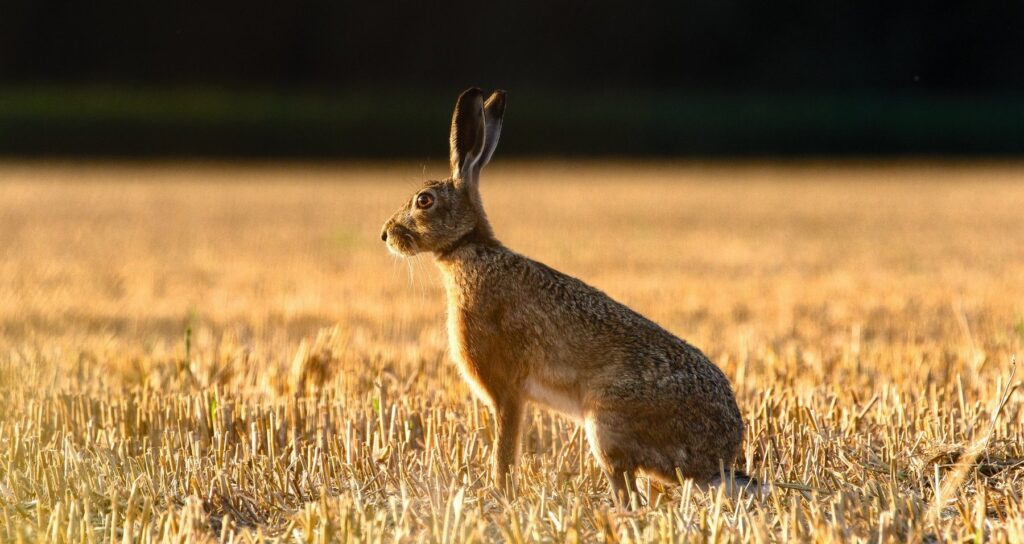
Hare close season: Defra rules out a call for evidence in England
A Lords written answer says ministers will not open a formal call for evidence on a statutory close season, three weeks after Defra told MPs no change was likely before 2027
By News Desk | 24 November 2026
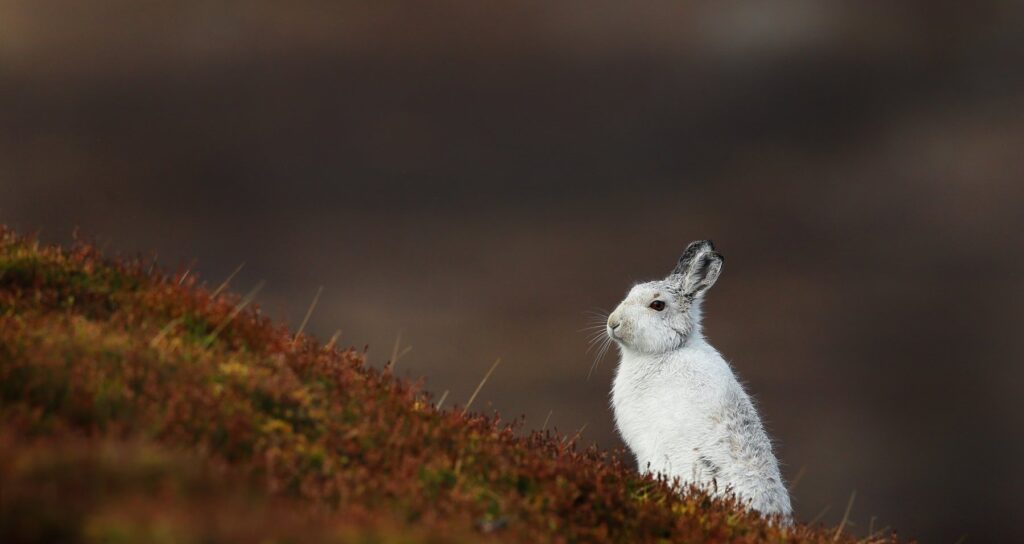
Scotland has no mountain hare count since 2018, minister admits
Five years after full protection, the only national estimate is still the 2018 figure of 132,000 with a range of 79,500 to 516,000, Jim Fairlie has told the Scottish Parliament, while licensed culls h...
By News Desk | 24 November 2026
Get the latest news delivered direct to your door
Subscribe to Shooting Times & Country
Discover the ultimate companion for fieldsports enthusiasts with Shooting Times & Country Magazine, the UK’s leading weekly publication that has been at the forefront of shooting culture since 1882. Subscribers gain access to expert tips, comprehensive gear reviews, seasonal advice and a vibrant community of like-minded shooters.
Save on shop price when you subscribe with weekly issues featuring in-depth articles on gundog training, exclusive member offers and access to the digital back issue library. A Shooting Times & Country subscription is more than a magazine, don’t just read about the countryside; immerse yourself in its most authoritative and engaging publication.