★ Win four pegs on a Kent simulated game day with JBD Sporting worth £1,000! Click to enter ★

Drought declared across all of Wales as season nears
Natural Resources Wales has extended drought status to the whole country after the driest July in 190 years of records, with rivers exceptionally low and wildfire risk severe as shoots prepare for the new season
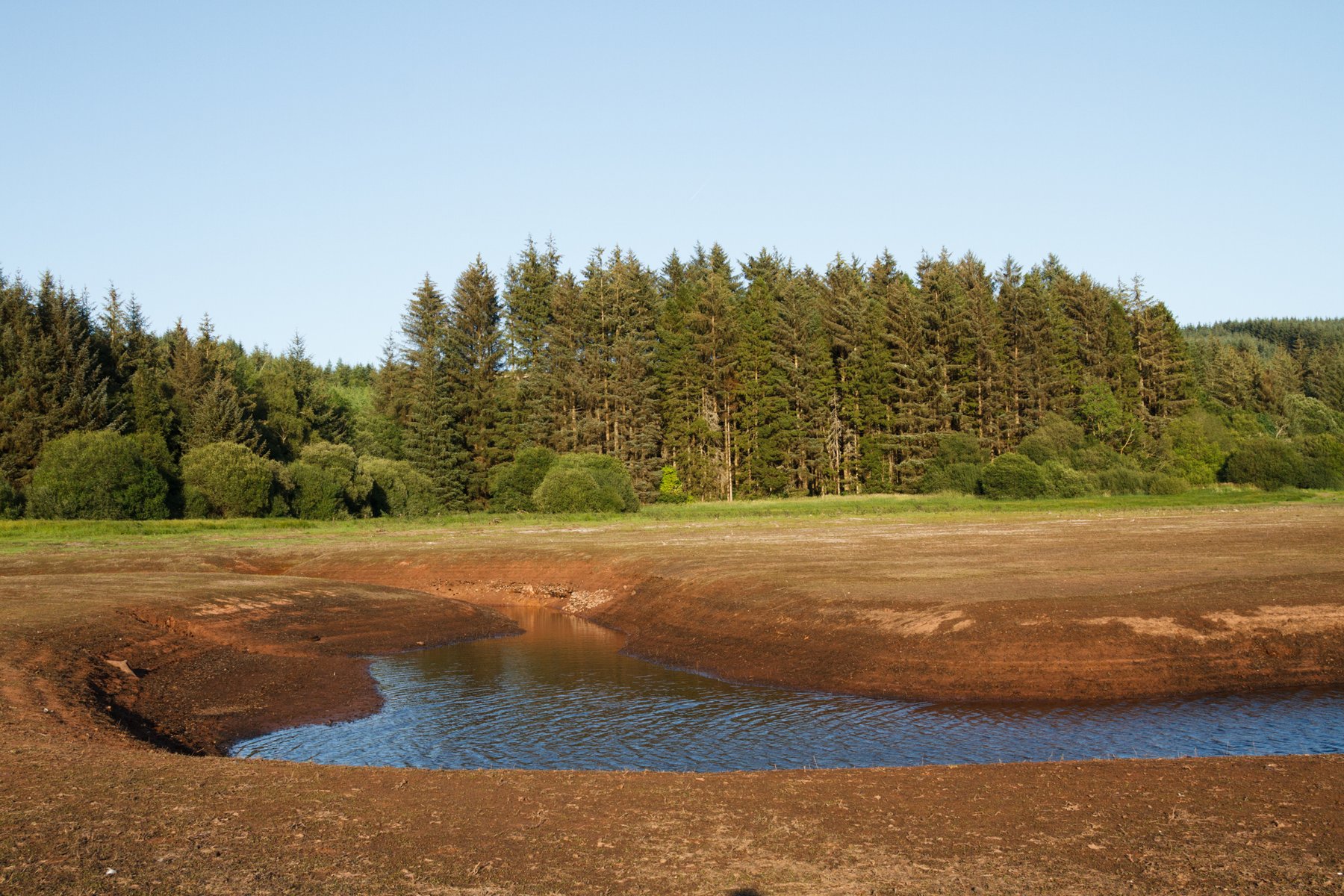 Low reservoir in Wales during the 2026 drought · Credit: Getty Images

The whole of Wales is now officially in drought, Natural Resources Wales (NRW) confirmed on 30 July, after a month that brought just 8% of the country’s long-term average July rainfall. The Wales drought declaration came a day after half of England was moved into drought status, and less than a fortnight before the grouse season opens on 12 August.
Why has drought been declared across Wales?
NRW extended drought status nationwide after hydrological and environmental thresholds were met across the country. July 2026 is on course to be the driest July in Wales since records began 190 years ago, and groundwater levels are still falling, with some now lower than expected for the time of year.
The move follows the declaration a week earlier that put north Wales and the Upper Severn into drought, triggered by record dry conditions and a series of wildfires.
Which Welsh rivers are affected?
The majority of rivers across Wales are exceptionally low, including the Wye, Usk, Teifi, Cothi, Cleddau, Conwy, Clwyd and Dyfi. NRW teams are dealing with reports of drying riverbeds, fish in distress and algal blooms.
Regulation and compensation releases are being made from reservoirs to support river systems and fisheries, and abstraction controls and other measures under NRW’s Drought Plan are in place. With drought declared in England the day before, NRW is working with the Environment Agency on the cross-border Wye, Severn and Dee to build a full picture of river health.
What does the drought mean for shoots and keepers?
Keepers and shoot managers preparing for the season face the same conditions that are worrying Welsh farmers: parched ground, poor grazing and uncertain water supplies. Birds going to wood in the coming weeks will need reliable water, and dried-out cover raises the stakes for any spark near a release pen, a moor or young forestry.
Rhian Thomas, sustainable water and nature manager at NRW, said: “The toll on the environment, our land and agriculture is clear to see, with many of our teams still dealing with the aftermath of extensive wildfires which have devastated forestry, grassland and special habitats.”
NRW is warning against lighting fires or barbecues in the countryside while the wildfire risk remains high, and asks anyone who spots a wildfire to move to a safe place and call 999. Environmental incidents can be reported on its 24-hour hotline, 0300 065 3000.
What happens next
NRW’s drought teams are meeting regularly and environmental monitoring has been stepped up across Wales. There is no notable rainfall in the forecasts and a risk of further heatwaves over the summer, so the declaration is likely to stand well into the season.
Ms Thomas said: “With no strong indications for notable rainfall in the forecasts, and risks of further heatwaves over the summer, it’s more important than ever that we all use water wisely. Every drop we waste is less water for our rivers and wildlife when they need it the most.”
The full declaration, including the indicators NRW uses to define drought, can be read on the Natural Resources Wales website.
Frequently asked questions
Is the whole of Wales in drought?
Yes. Natural Resources Wales extended drought status across all of Wales on 30 July 2026, a week after north Wales and the Upper Severn entered drought.
How dry has July 2026 been in Wales?
Wales received just 8% of its long-term average rainfall for the month, putting July 2026 on course to be the driest July since records began 190 years ago.
Can I light a fire or barbecue in the Welsh countryside?
No. NRW warns against lighting fires or barbecues in the countryside while wildfire risk is high, and asks anyone who sees a wildfire to call 999.
Related Articles
News
Raasay to open island's first venison processing facility
A disused ferry store will become a community-owned, solar-powered venison facility, keeping deer carcasses on the island and training island butchers
By News Desk

News
Badger cull ends as final figures are published
Natural England confirms every culling licence has ended and the last will not be renewed, as vaccination and cattle measures take over
By News Desk
Get the latest news delivered direct to your door
Subscribe to Shooting Times & Country
Discover the ultimate companion for fieldsports enthusiasts with Shooting Times & Country Magazine, the UK’s leading weekly publication that has been at the forefront of shooting culture since 1882. Subscribers gain access to expert tips, comprehensive gear reviews, seasonal advice and a vibrant community of like-minded shooters.
Save on shop price when you subscribe with weekly issues featuring in-depth articles on gundog training, exclusive member offers and access to the digital back issue library. A Shooting Times & Country subscription is more than a magazine, don’t just read about the countryside; immerse yourself in its most authoritative and engaging publication.