★ Your magazine. Your say. Complete our reader survey with a chance to win Jack Pyke kit worth £500! ★

Country Diary: when a Galloway glen went arable and the lapwings came back
When a Galloway glen briefly went arable, lapwings returned and hares and quail thrived, but Patrick Laurie fears it's too late for grey partridges here
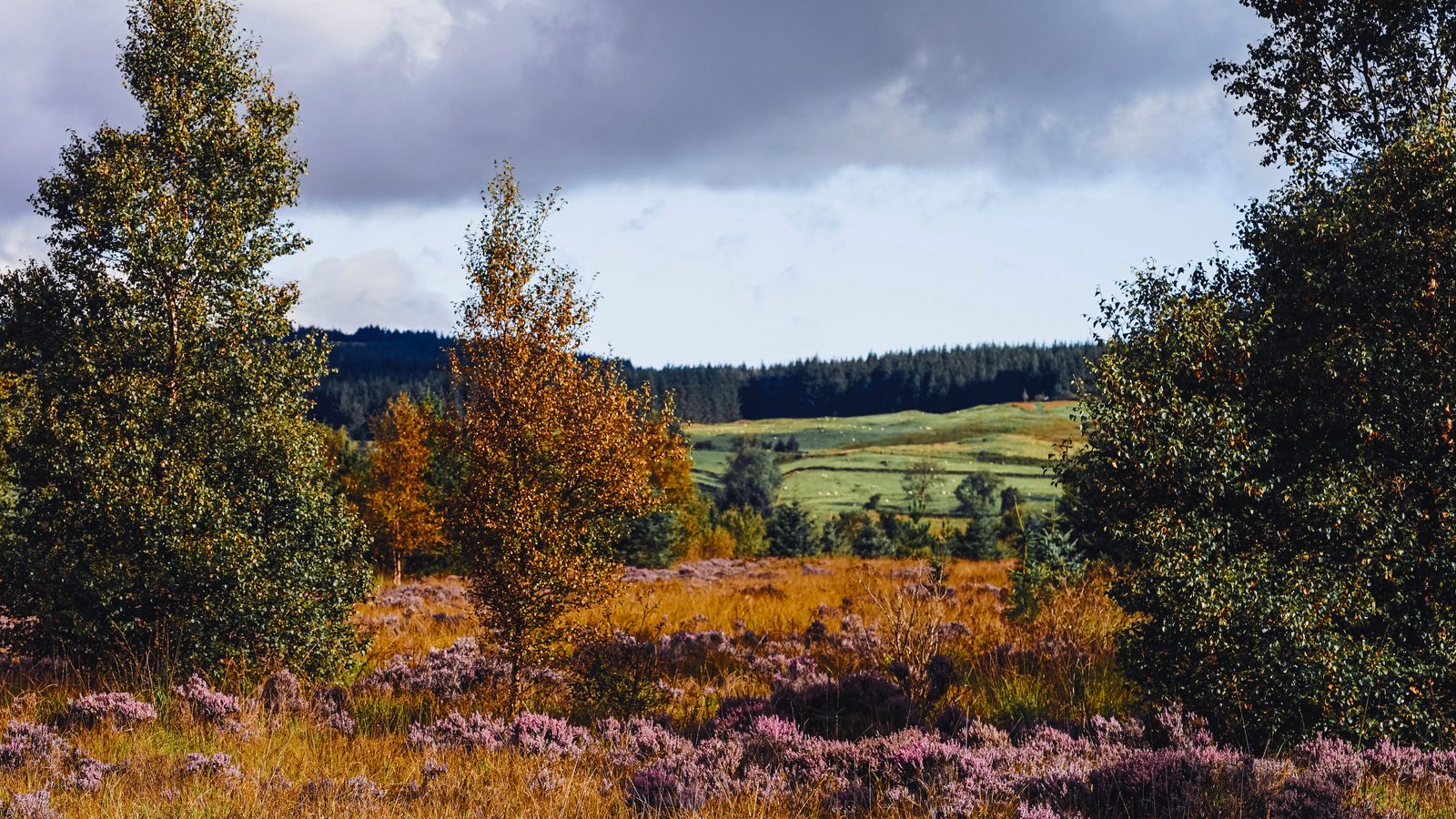

By sheer coincidence of finance and global markets, several of my farming neighbours recently decided to invest in their grassland after many years of permanent pasture. The work started in 2025 when large areas of old grass were ploughed and sown with brassicas to break up the turf and provide a quick crop for the cattle.
It created an immediate boom for lapwings during the following spring. The little waders love the aftermath of kale and rape when it’s been grazed down and smashed to bits by cattle after a long winter – and farmers often say that this should come as no surprise. After all, this is how farming used to work in the days when lapwings were abundant, and the loss of so much wildlife in the UK is rarely attributable to something new that started – it’s more often something old that stopped.
The problem with this work is that brassica stubbles used to lie undisturbed for long enough that lapwings could get their chicks up and away before the discs came to break up the clods and sow a new crop. It’s easy for farmers to leave brassica stubbles from February to the end of April, but it’s hard to justify leaving them idle until June. If farmers are going to be paid to plant brassicas for lapwings, they need to be compensated for what they’ll lose, and that’s not easy to do.
An enormous surge of brassicas appeared in this glen in 2025, and the benefit was felt in February and March of this year. After 10 years without a single pair of lapwings breeding in this parish, 20 pairs turned up and laid their eggs… and because we aren’t yet able to hold on to those habitats for long enough, many of the subsequent chicks were lost. That’s disappointing, but it was also encouraging to know that birds can come back if they’re given a chance.
Hares and quail fill the barley
The ground was worked and cereals were planted in April, all of this at a vast scale for no greater reason than that the plans of two or three businesses simply coincided. By sheer chance, I found myself on the front line of an enormous conservation project.
No sooner was the barley grown than hares began to fill it. I’m used to seeing three or four hares on a morning walk around the cattle, but suddenly I was seeing 15 or 20 at a time. By early July, I began to hear quail calling up and down the glen. Quail are unusual here and their strange migratory patterns mean their numbers are not necessarily bound to changing land use – but still, they don’t hang around for long if the habitat is unsuitable.
An extraordinary quantity of pigeons on the stubbles
As the barley was being cut in the last week of August, the sheer quantity of pigeons in the glen was extraordinary. Finding that part of a flightline trailed across my land, I spent two or three happy afternoons shooting birds as they passed overhead, robbing them from a brood of young falcons that hunted nearby. It was an experience like nothing I could ever remember, and then the crops were down and all I could think was how perfect those stubble habitats would be for partridges. We’re too far gone for a grey partridge renaissance here in Galloway, but there is something clean and encouraging about brambles and cobwebs in early September which turns the imagination towards wild greys.
Then no sooner had this wonderful habitat been exposed than it was ploughed again and rapidly restored to grass to catch the autumn sun. In a single year, the entire glen had been through a rotation of arable and grassland which used to take three years. Importantly, every step along the way had provided an astonishing boost for nature.
We’re used to being told that farmers are driving British wildlife to extinction, and most of us know that it’s nonsense. Farming creates amazing habitats for birds and insects and mammals – the problem is that it rarely stands still for long enough for species to fully capitalise on the opportunity. My experience in this glen has been a complete coincidence in 2026, but it’s clear that future schemes for farming and nature don’t have to reinvent the wheel. They just need to find a different pace.
Patrick Laurie manages a programme to promote farming and conservation, with a particular focus on wading birds and black grouse, and runs a farm in Galloway.
Frequently asked questions
Why do lapwings like brassica stubbles?
Lapwings favour the aftermath of kale and rape once it has been grazed down and broken up by cattle over winter. The difficulty is that the stubbles need to lie undisturbed until the chicks are up and away, which can mean leaving them until June.
How many lapwings returned to the glen?
After 10 years without a single breeding pair in the parish, 20 pairs turned up and laid eggs in the spring after the brassicas went in, although many of the chicks were lost when the ground was worked again.

About the author
Patrick Laurie
Based in Galloway, livestock farmer Patrick writers on farming, fishing, conservation and Scotland.
 Closes 15 JanuaryWorth £129.90Win a pair of tickets to the British Shooting Show 2027Enter nowFree to enter
Related Articles
Where to shoot simulated game: seven UK venues for the summer and the syndicate
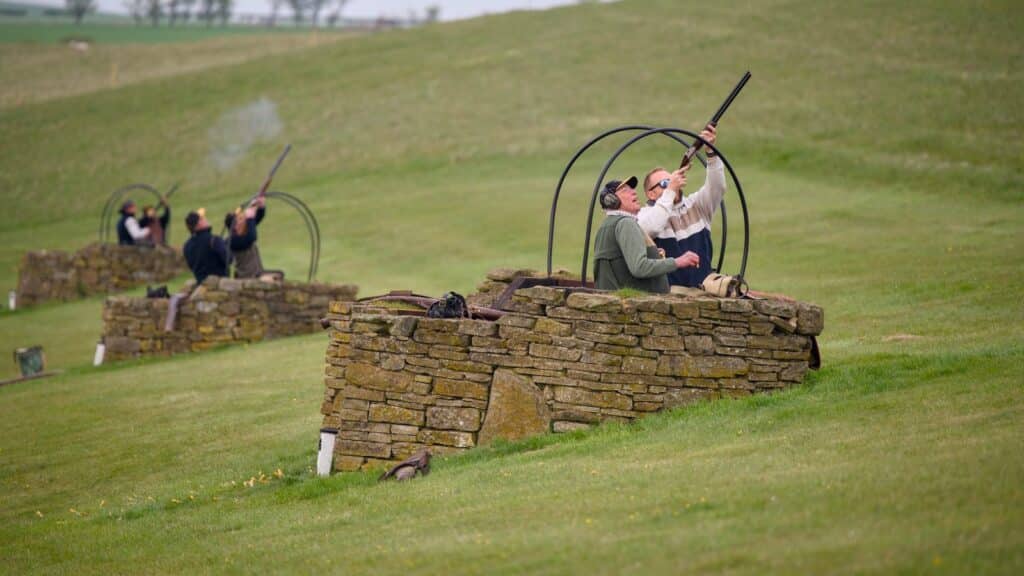
A simulated game day puts the clays where the birds would be, and for the shoot owner, the keeper and the syndicate Gun it is the honest way to earn from the ground and get the swing back between seas...
By News Desk | 7 October 2026
Picker-up at eight, first bird at 12: how a father passed shooting on
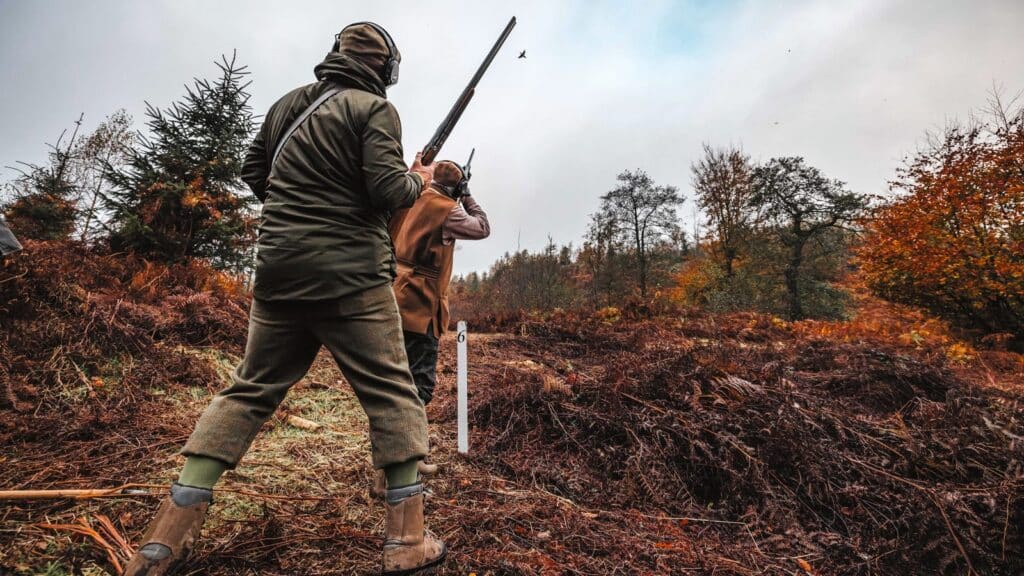
Writing in Fieldsports Journal, Jamie Culpan recalls being pressed into service as his father’s picker-up on the West Coast of Scotland after the family dog died, and the syndicate family day, four ye...
By News Desk | 7 October 2026
Get the latest news delivered direct to your door
Subscribe to Shooting Times & Country
Discover the ultimate companion for fieldsports enthusiasts with Shooting Times & Country Magazine, the UK’s leading weekly publication that has been at the forefront of shooting culture since 1882. Subscribers gain access to expert tips, comprehensive gear reviews, seasonal advice and a vibrant community of like-minded shooters.
Save on shop price when you subscribe with weekly issues featuring in-depth articles on gundog training, exclusive member offers and access to the digital back issue library. A Shooting Times & Country subscription is more than a magazine, don’t just read about the countryside; immerse yourself in its most authoritative and engaging publication.
 New competitionWin a pair of tickets to the British Shooting Show 2027Worth £129.90Closes 15 JanuaryEnter now ›