

Spanish partridge shooting: how a driven day at El Despeñadero works
Britain’s partridge season closes on 1 February, but in the hills south of Madrid the redlegs fly on. Darío Vallano, whose family have run El Despeñadero for more than 40 years, explains how a Spanish driven day works, from the secretario and the loader to the four drives, the food between them and what a visiting Gun pays for, ahead of the prize day one reader will shoot on 13 February
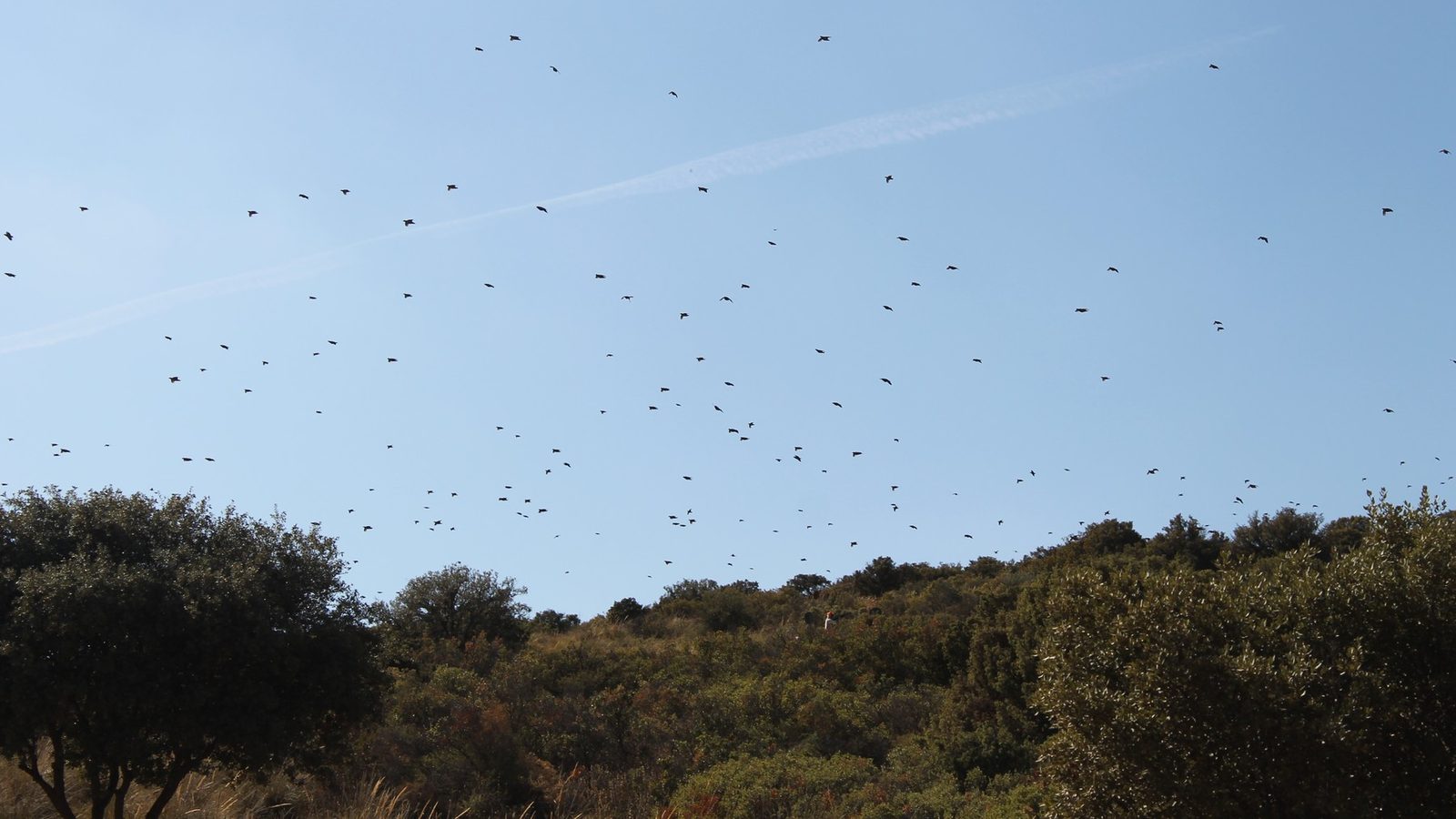

Once 1 February has passed, the partridge season in Britain is over for keeper and Gun alike, and the weeks until the pigeons find the rape are counted off one by one. In the hills of central Spain the same bird is still flying, and the season there runs on for weeks.
On 13 February 2027 one reader of our sister title Sporting Gun will be standing on a peg in Castilla-La Mancha with a loader at their feet, a secretario at their shoulder and coveys of red-legged partridges coming off a ridge of olive trees and bare rock. The shoot is El Despeñadero, about an hour south of Madrid and a short drive from the old city of Toledo, and the prize is a full day’s shooting as a guest of the family who own it. For anyone weighing up a first day abroad, how it is run is worth knowing.
Shooting abroad can look like somebody else’s world: agents, paperwork, unfamiliar money and people who know the drill. Darío Vallano, who runs El Despeñadero, has spent 10 years taking that worry away from British teams. “As soon as they land in Madrid, everything is organised for them,” he says. “We take care of every single detail from start to finish.”
How does a Spanish redleg differ from a British one?
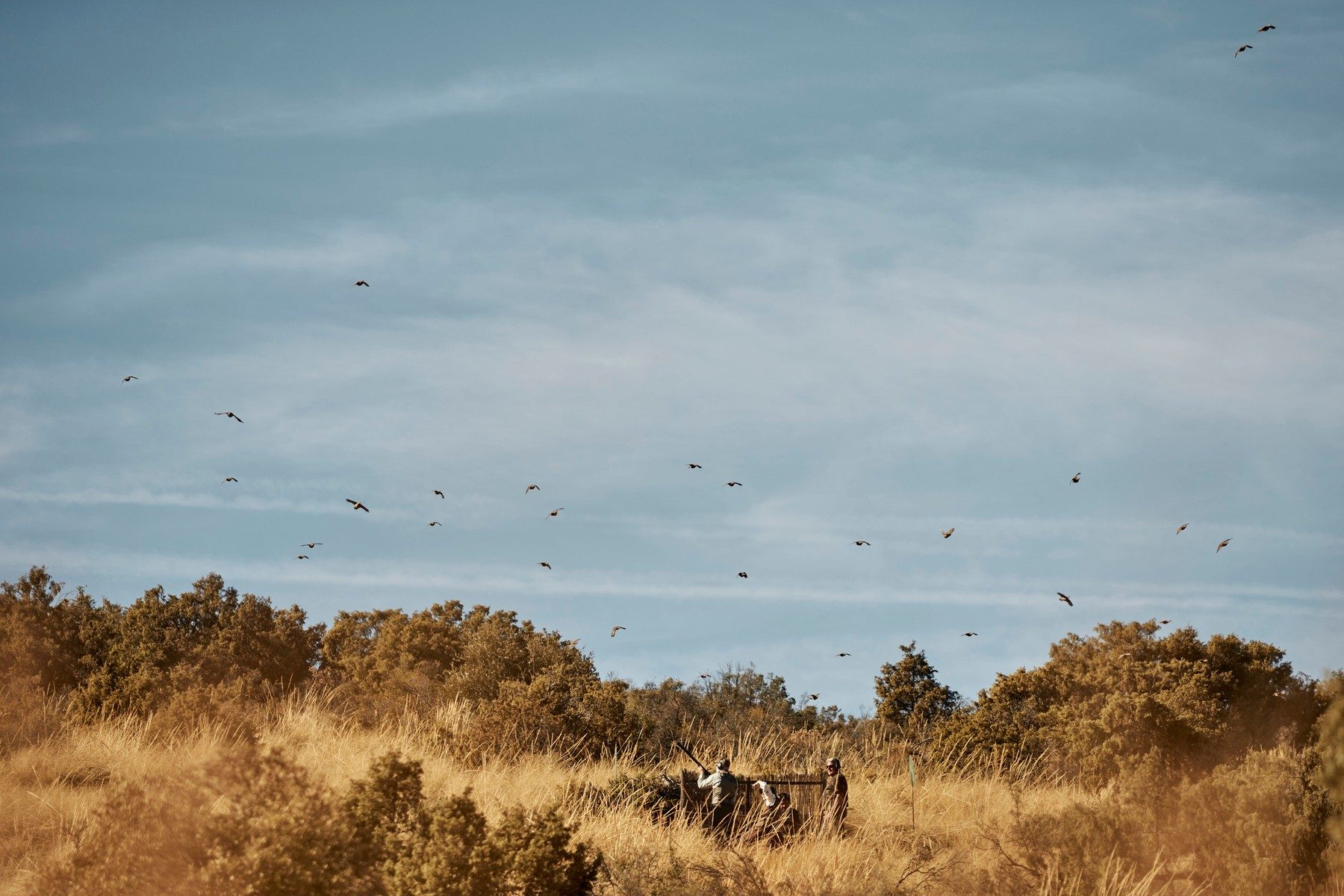
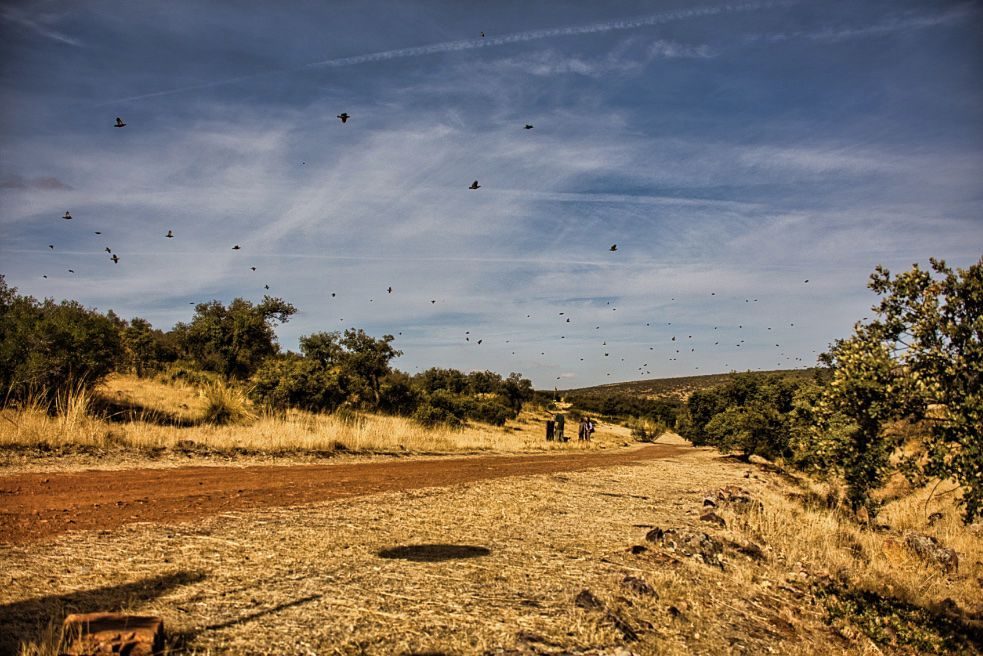
The redleg is Spain’s native partridge. British shoots adopted it, reared it and built a style of shooting around it, but the dry, rocky country of scrub, olive groves and wheat is its home ground, and it flies differently there. One British Gun with 35 seasons in Spain, writing on GunsOnPegs, called the El Despeñadero style caza natural – natural shooting – and described swinging from a bird at the height of a grouse straight on to one he would remember for years. The test is speed and variety rather than height. Darío mixes the drives, classic Spanish partridges on one and high or crossing birds on the next, so nobody shoots the same bird four times over.
Who runs El Despeñadero?
The Vallanos have owned the land for centuries. Darío’s father started the shooting business on it at 28; he is 70 now and all but retired, and Darío, 37, has run the shoot since joining him 10 years ago. The family own the ground, employ the keepers and host every day themselves. “I like to say this is our Yellowstone,” Darío says, and anyone who has seen the series will know which of them is John Dutton.
That matters to a visiting Gun. There is no agent taking a cut and nobody to pass the buck to if something goes wrong: you email Darío, you speak to Darío, and on the day he is on the ground at the head of about 60 staff – drivers, beaters, secretarios, loaders, gamekeepers and the lodge kitchen. The shoot runs between 70 and 80 driven days a season, roughly four a week. Half the teams are Spanish and half come from overseas, and of those more than half are British.
What does a driven day at El Despeñadero look like?
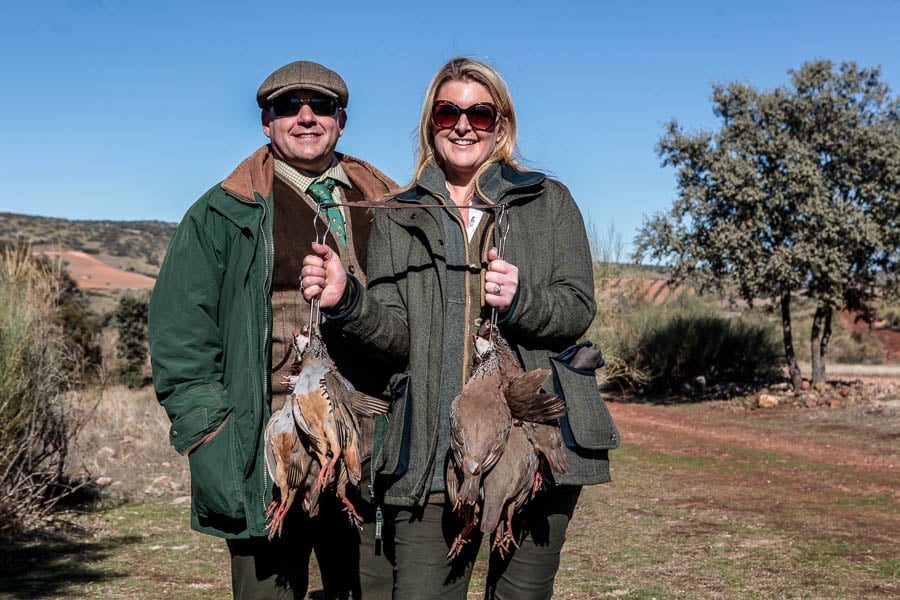
A driver collects the Guns from their hotel in Toledo and brings them to the lodge for breakfast at 9.30am. The lodge is the family’s own house, where Darío grew up, with boar and deer heads on the walls, a large salon for meals and a chef cooking everything fresh on the day. Breakfast is migas, the traditional Spanish shooting breakfast of fried bread with eggs and bacon, with fruit and tortilla for those who want them. Then come the peg draw, a safety briefing on how the day will work and the gun room, where each Gun meets the two men who will look after them until the final horn.
The secretario is spotter and guide. He stands at the Gun’s shoulder, calls the birds – “mira, mira”, look, look – and says where the Gun can and cannot shoot. At El Despeñadero they are all local men from the surrounding villages and many have worked for the family for 35 years. “They are very experienced, which is very good when we have beginners who don’t know where to shoot and where not,” Darío says. “Very experienced people behind our guests – this is very important for us.” The cargador, the loader, sits at the Gun’s feet and passes the gun up, which looks odd for a drive and then proves faster than anything at home.
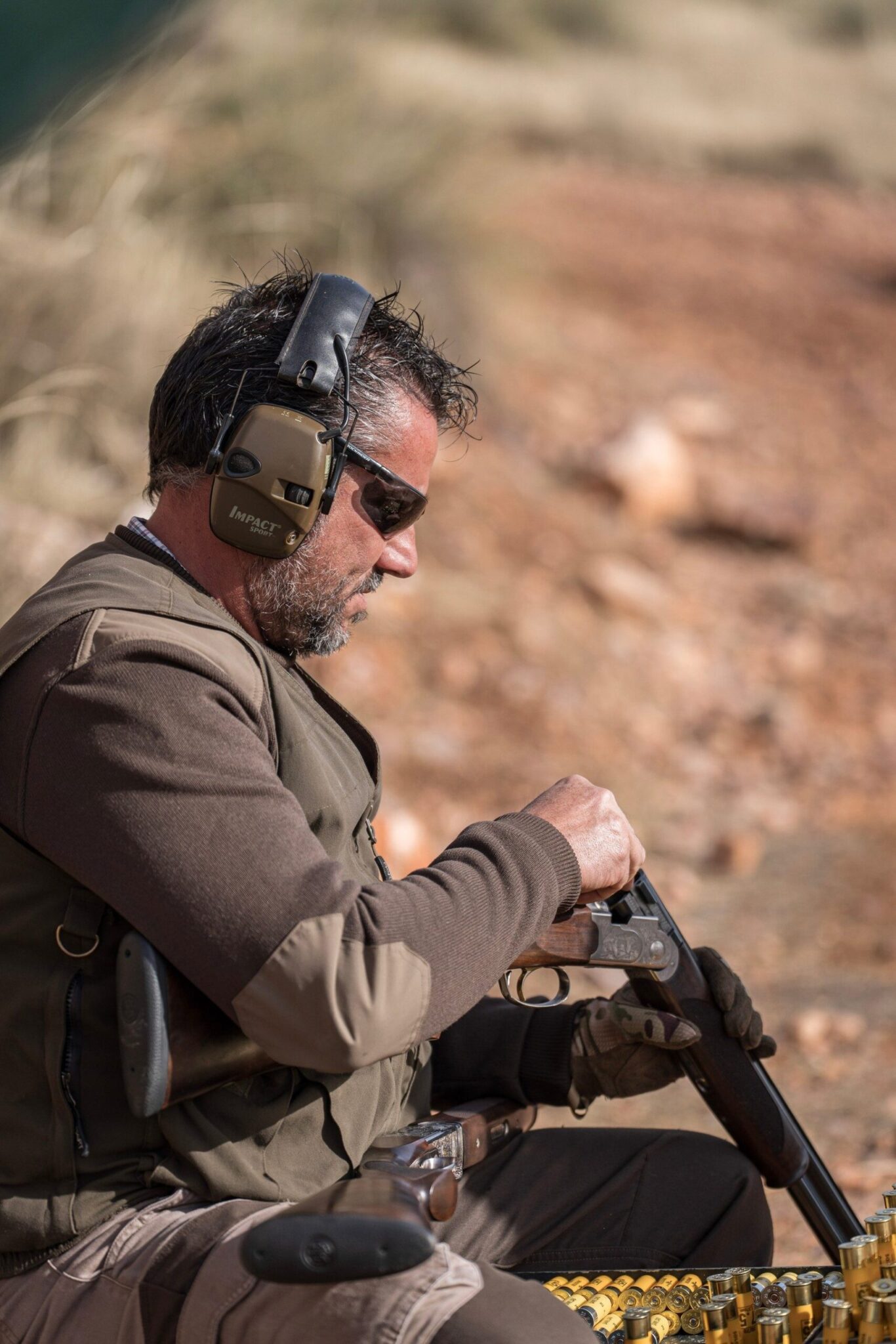
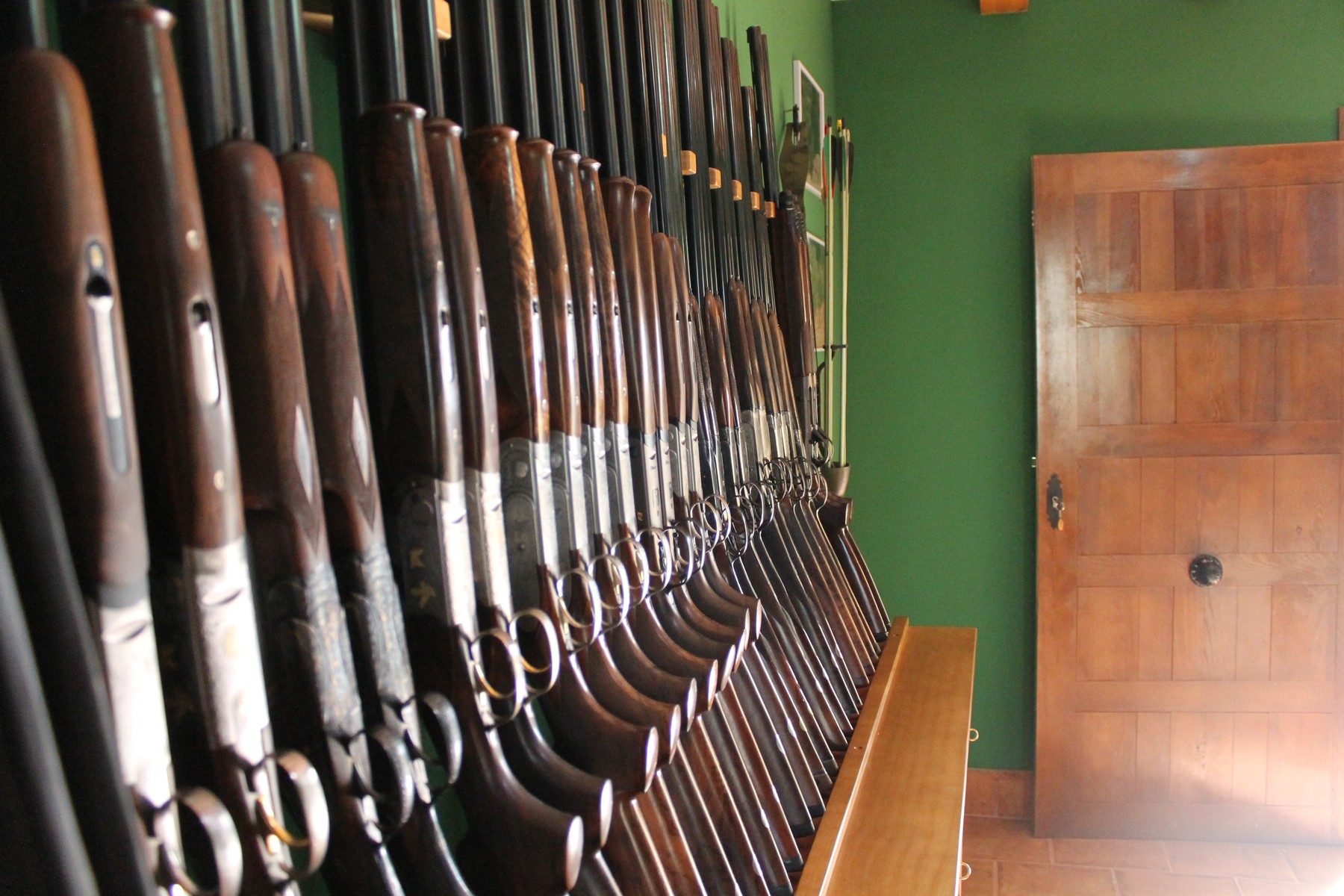
Taking a gun abroad need not put anyone off either. The gun room holds Beretta over-and-unders and Spanish side-by-sides from makers such as AYA, in a choice of bores. Guns who bring their own have the Spanish paperwork handled by the shoot, and its driver walks them through customs at Madrid. On a first trip, hiring is the simple route and saves the airport.
How long is the shooting day and how big is the ground?
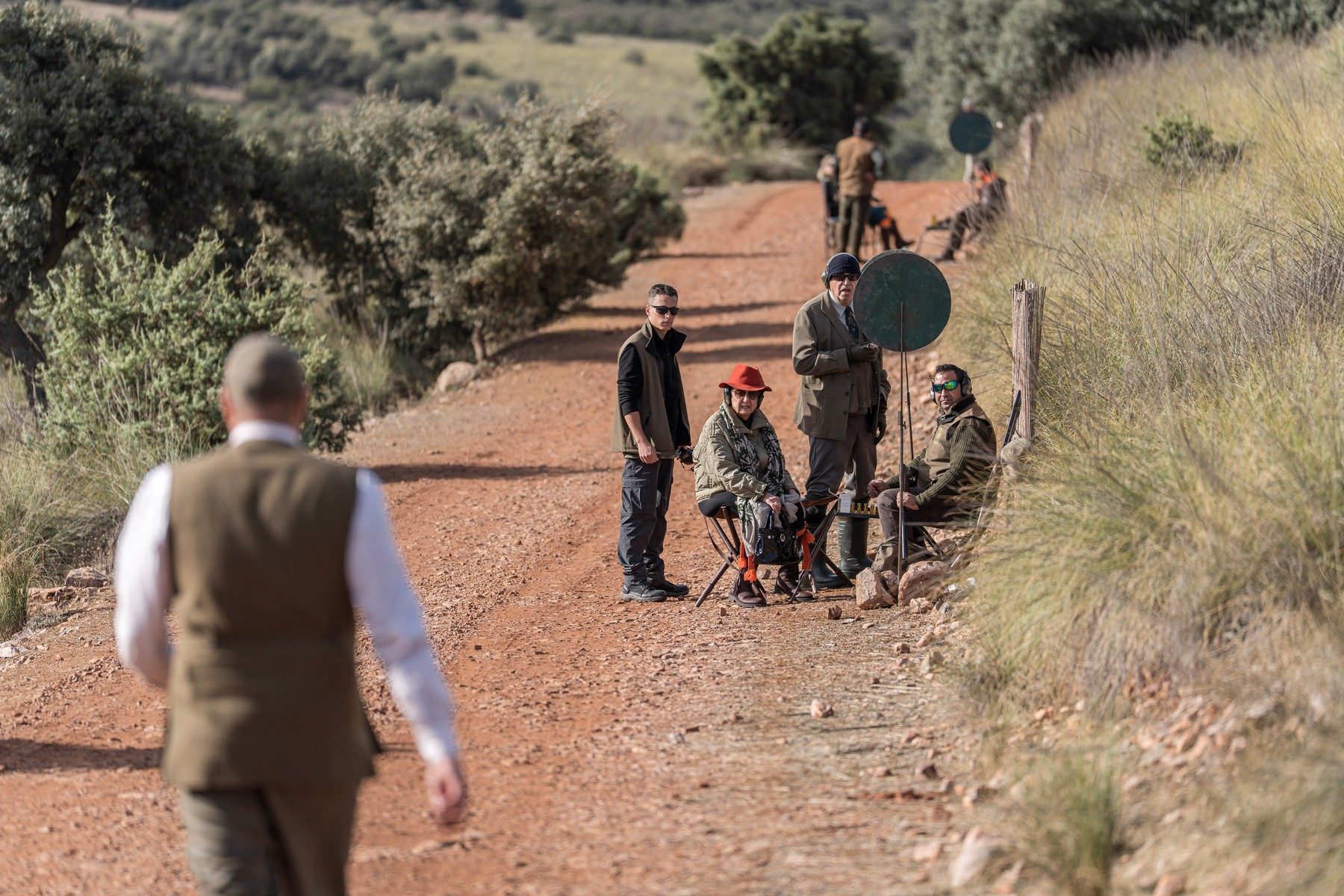
Shooting runs from about 10.30am to 4.30pm, with four drives of 25 to 30 minutes each, every one on a different part of the ground, which runs to some 2,500 hectares, or more than 6,000 acres. When the sporting journalist Martin Puddifer shot here a few years ago he described pegs of bamboo and wire with a disc on a pole either side to mark the arc of fire, beaters in yellow bibs with horns and Spanish flags on long poles, and birds bursting out of the rock and scrub with less than a second between seeing one and shooting it. He came off the first drive, La Albina, “punch drunk”.
What happens between the drives?
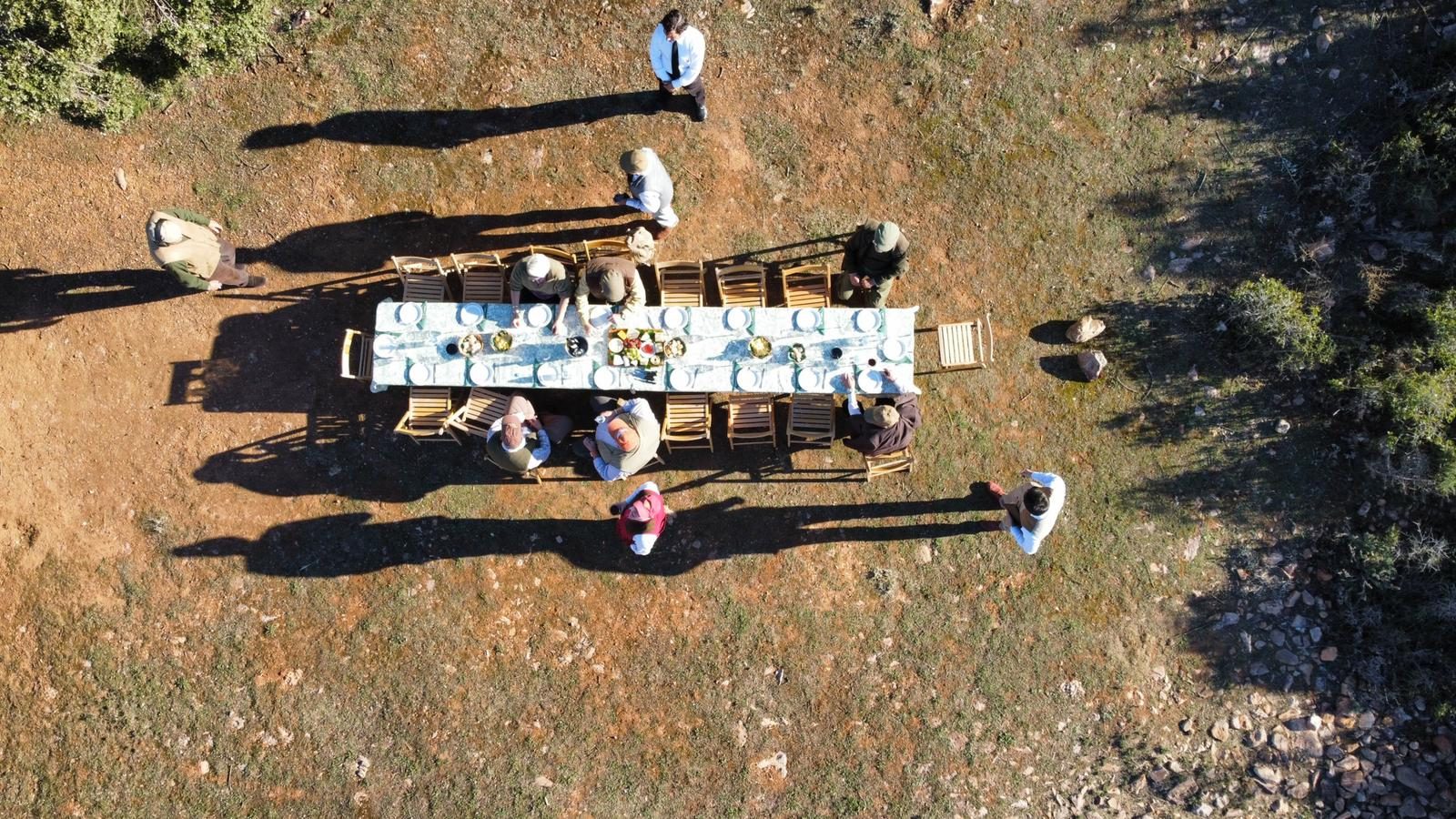
The beaters need 20 to 40 minutes to blank the next drive in, and Darío will not have anyone spend that time standing beside a 4×4 with a bottle of water. A long table is laid in the field, with waiters, and the food arrives in waves. After the first drive it is ibéricos – cured ham, chorizo and lomo, dried venison and a cup of hot broth if the morning is cold. The second break, at about 1pm, is lunch: Galician-style octopus, lamb chops, Spanish omelette, salads and game such as venison, with Spanish wine. After the third drive comes a table of Spanish cheeses – Manchego, the local cheeses of La Mancha, a blue from the north. If it rains, which it rarely does, there are tents. After the last drive the team goes back to the house for drinks and a debrief that lasts as long as they like. “We are never rushed,” Darío says. “They have to feel at home.”
How is the ground keepered for partridges?
Behind the day is a keepering operation any British shoot would recognise. El Despeñadero is run entirely for partridges – there are wild boar and roe deer on the ground, but the family do not sell them. Three full-time gamekeepers look after more than 1,000 feeders and drinkers that run every day of the year, control predators and farm wheat and olive groves not for profit but as food and cover for the birds. A cereal mix of lentils, maize and wheat goes down on the tracks to put strength into the coveys. Spaniels and labradors do the picking-up, and the bag goes to a gamedealer supplying restaurants and markets.
Where do the Guns stay?
The prize winner and their guest stay two nights at the Parador de Toledo, the state-run hotel on the hill above the river looking across to the old city – the most traditional hotel in town, Darío says, with views he calls insane. He will host dinner at a traditional restaurant in the city on both evenings. Toledo, with its cathedral, its fortress and its narrow streets of tapas bars, is worth the flight in itself.
What does the prize cover and what does the winner pay?
The prize covers the lot: one peg on a 500-bird, four-drive day on 13 February 2027, a non-shooting partner sharing the room, two nights at the Parador, private transfers from Madrid airport, every meal and drink on the shoot day and dinner on both evenings. It is worth almost £5,000. The winner pays for flights – Madrid is around two and a half hours from the UK – plus gun hire, cartridges, tips and travel insurance. The 13 February date is a single-Gun day, so the winner takes a peg in a line of other individuals rather than joining somebody’s private team.
Entry is free at sporting-gun.com/competitions and closes on 11 January 2027. Signing up to the Sporting Gun newsletter at the same time gives a second entry. A month after the draw closes, somebody will be standing on a Spanish hillside, gun up, waiting for the first covey of a second season.
Frequently asked questions
When does the partridge season end in Britain and in Spain?
In Britain the partridge season closes on 1 February. In Spain it runs on into February: El Despeñadero’s prize day falls on 13 February 2027, and the shoot runs between 70 and 80 driven days a season.
What do a secretario and a cargador do on a Spanish partridge shoot?
The secretario stands at the Gun’s shoulder as spotter and guide, calling the birds and saying where the Gun can and cannot shoot. The cargador is the loader, who sits at the Gun’s feet and passes the loaded gun up.
How do I enter the El Despeñadero competition?
Entry is free at sporting-gun.com/competitions and closes on 11 January 2027. Signing up to the Sporting Gun newsletter gives a second entry. The prize day is 13 February 2027.
 Closes 15 JanuaryWorth £129.90Win a pair of tickets to the British Shooting Show 2027Enter nowFree to enter
Related Articles
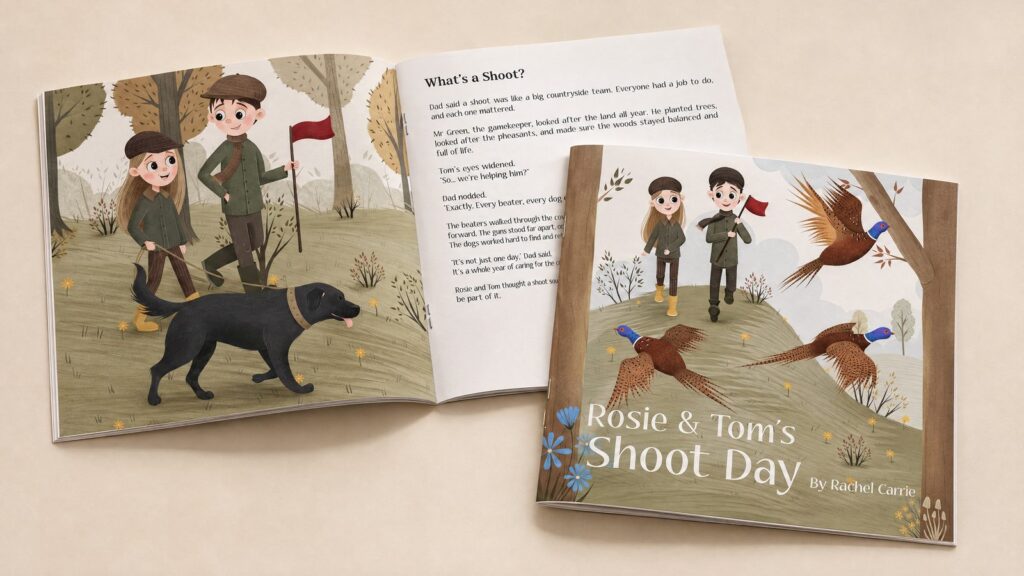
Rachel Carrie's children's book shows young readers what happens on a shoot day
Yorkshire hunter and field-to-fork advocate Rachel Carrie has written a beautifully illustrated picture book that shows children where shooting fits in the countryside – and every copy sold sends anot...
By Shooting Times | 20 November 2026
Shoot View: white ducks for a worthy cause
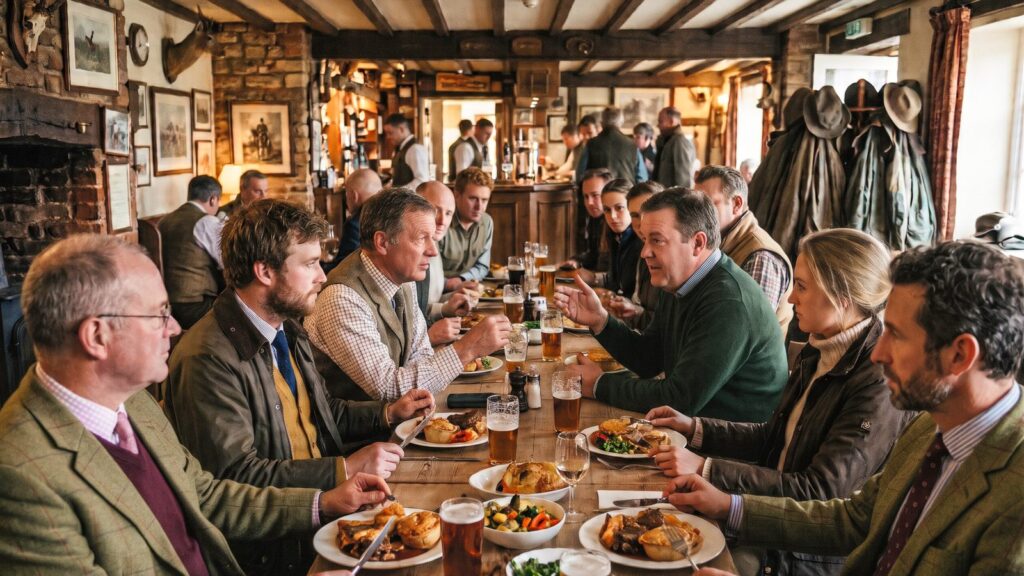
Drop a white duck on this shoot and you donate £25, but decline a fair chance and you pay £50 – all for the local air ambulance, writes Alan Child
By Alan Child | 18 November 2026
Get the latest news delivered direct to your door
Subscribe to Shooting Times & Country
Discover the ultimate companion for fieldsports enthusiasts with Shooting Times & Country Magazine, the UK’s leading weekly publication that has been at the forefront of shooting culture since 1882. Subscribers gain access to expert tips, comprehensive gear reviews, seasonal advice and a vibrant community of like-minded shooters.
Save on shop price when you subscribe with weekly issues featuring in-depth articles on gundog training, exclusive member offers and access to the digital back issue library. A Shooting Times & Country subscription is more than a magazine, don’t just read about the countryside; immerse yourself in its most authoritative and engaging publication.

