

Tim Bonner: why the myth of the dwindling woodcock only helps shooting’s opponents
With quarry lists under review, shooters who repeat the myth that woodcock are dwindling are only giving solace to their opponents, argues Tim Bonner
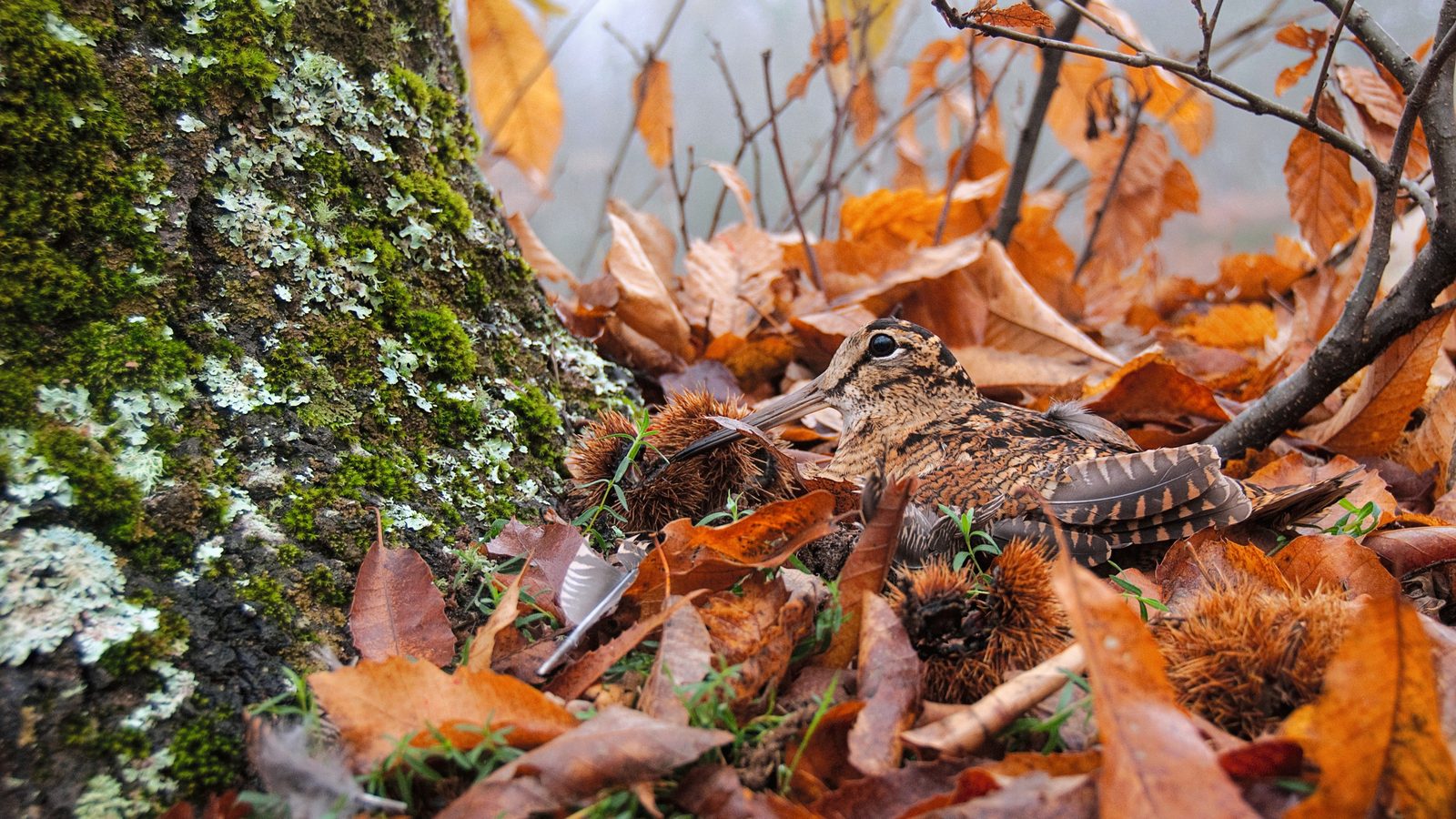

There was a fantastic full moon as I drove home last week, which filled my dreams with migrating woodcock. Well over a million of them arrive from the east between now and the beginning of December, yet their nocturnal habits and preference for deep, quiet woodland mean most people never see one.
I have been obsessed by woodcock since shooting my first one over my own spaniel in a coppiced woodland in Kent 35 years ago and have been lucky enough to hunt them since in Cornwall, Pembrokeshire, Caithness, the Western Isles, the west of Ireland and many places in between.
A remarkable success story
Woodcock are a remarkable success story. The number of migrants is probably growing, and certainly those places where I have shot that keep detailed records have been seeing and shooting more birds in recent years. There are concerns about the UK breeding population, but the last GWCT/British Trust for Ornithology survey showed increases in the number of breeding birds in England, Wales and southern Scotland, which were outweighed by a big recorded drop in numbers in the far north of Scotland.
This seems odd given global warming, which should logically be pushing breeding birds northwards and the increase in suitable breeding habitat in the form of deciduous woodland across the far north. It is worth remembering as well that there were almost no breeding woodcock in the UK until the mid-19th century, and it was only the planting of lowland woodland in the inter-war and postwar years which really stimulated the UK breeding population.
The politics of the red list
There is, however, politics around the woodcock, as with all quarry species. The ‘red listing’ of UK breeding woodcock has given ammunition to those who want to stop us shooting them, and some who shoot themselves are prone to an unhelpful narrative. Whether or not to shoot a woodcock is, of course, a decision that is for each of us to make, but that decision should at least be based on facts, not myths.
Far too often I hear people saying that they see far fewer woodcock than they used to and that it is a shame to shoot them. Ninety-nine times out of a hundred the reason that they are seeing fewer woodcock is that they are filling their woods with pheasants and driving them 10 times a year. Woodcock absolutely hate disturbance, and the management and shooting of pheasants creates constant intrusion into their solitary world. It should be no surprise at all that they will find almost anywhere else to roost than in a busy pheasant cover.
Whether or not you choose to shoot a ’cock, perpetuating the myth that their numbers are reducing can only give solace to our opponents. If we cannot argue for a sustainable harvest of the million-plus woodcock in the UK each winter, then we have lost the case for the exploitation of wild bird populations as a whole.
Quarry lists under political scrutiny
That matters now because the future of woodcock shooting, and that of other migratory species, is under political scrutiny. The Westminster Government alongside the Scottish and Welsh administrations has consulted on changes to the quarry list and shooting seasons, and we are currently awaiting a response. As far as woodcock are concerned, the proposals focus on a shorter season to reduce the risk of UK breeding birds being shot. This is not entirely unreasonable, although there is no evidence that shooting has any impact on the British breeding population, but other proposals are less welcome.
The Welsh Government’s Natural Resources Wales (NRW), for instance, claims there are only around 2,000 overwintering snipe in Wales and that they should therefore be removed from the quarry list. It is hard to see how NRW arrived at that figure (I have seen thousands of snipe on one field beside a South Wales estuary), but it does highlight the fragility of the political situation.
To walk a few miles of hedges and coverts with a good dog and a couple of friends and to return with a bag of woodcock is one of the great joys of a sporting life. Whether you choose to shoot woodcock or not, the last thing any of us should be doing is to undermine the basic principles of sustainable hunting.
Tim is the chief executive of the Countryside Alliance. He has hunted a pack of beagles, pursues wild trout and is a passionate wildfowler and rough shooter. To join the Countryside Alliance, visit bit.ly/countryalliancejoin
Frequently asked questions
Are woodcock numbers falling in the UK?
Tim Bonner argues not. The number of migrants is probably growing, and well over a million arrive from the east each winter. There are concerns about the UK breeding population, but the last GWCT/British Trust for Ornithology survey showed increases in England, Wales and southern Scotland, outweighed by a big recorded drop in the far north of Scotland.
Why do some shoots see fewer woodcock than they used to?
Woodcock hate disturbance. Bonner says that where woods are filled with pheasants and driven 10 times a year, the birds will roost almost anywhere else, so fewer are seen on those shoots.

About the author
Tim Bonner
Chief executive of the Countryside Alliance, Britain's largest rural campaigning organisation, Tim has a regular column in Shooting Times. He joined the Alliance in 2002, arriving to help with the media for a few weeks before the Liberty and Livelihood March, and went on to do every job there, from press officer to director of campaigns, before being appointed chief executive in 2015. Since then he has focused on building alliances between organisations across the rural sector. Tim studied countryside management at Wye College, University of London, and farmed in north Devon, and he has taken part in every activity the Alliance campaigns on: he has hunted a pack of beagles, pursues wild trout and is a passionate wildfowler and rough shooter who is never seen in the field without a dog.
 Closes 15 JanuaryWorth £129.90Win a pair of tickets to the British Shooting Show 2027Enter nowFree to enter
Related Articles
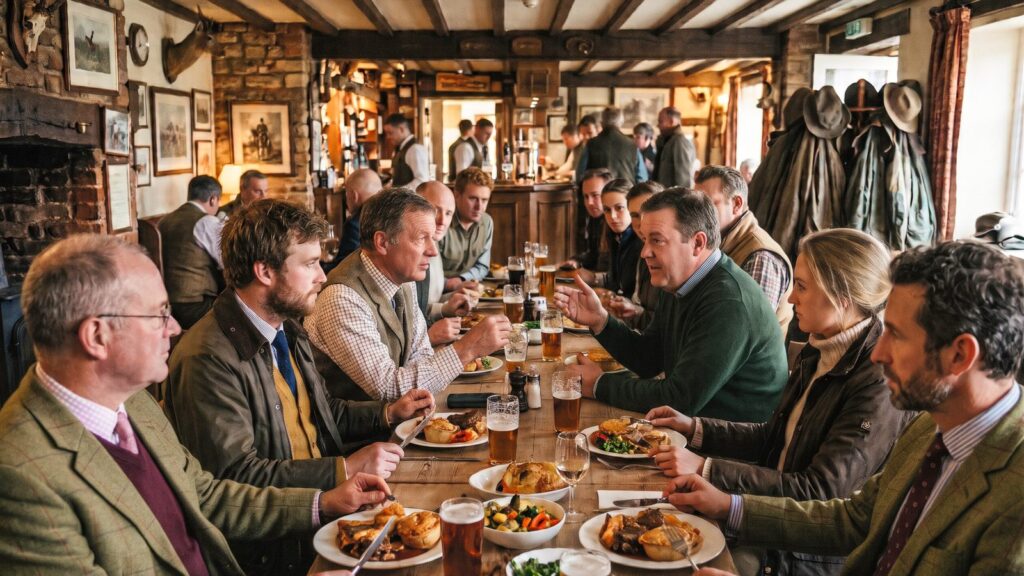
Shoot View: white ducks for a worthy cause
Drop a white duck on this shoot and you donate £25, but decline a fair chance and you pay £50 – all for the local air ambulance, writes Alan Child
By Alan Child | 18 November 2026
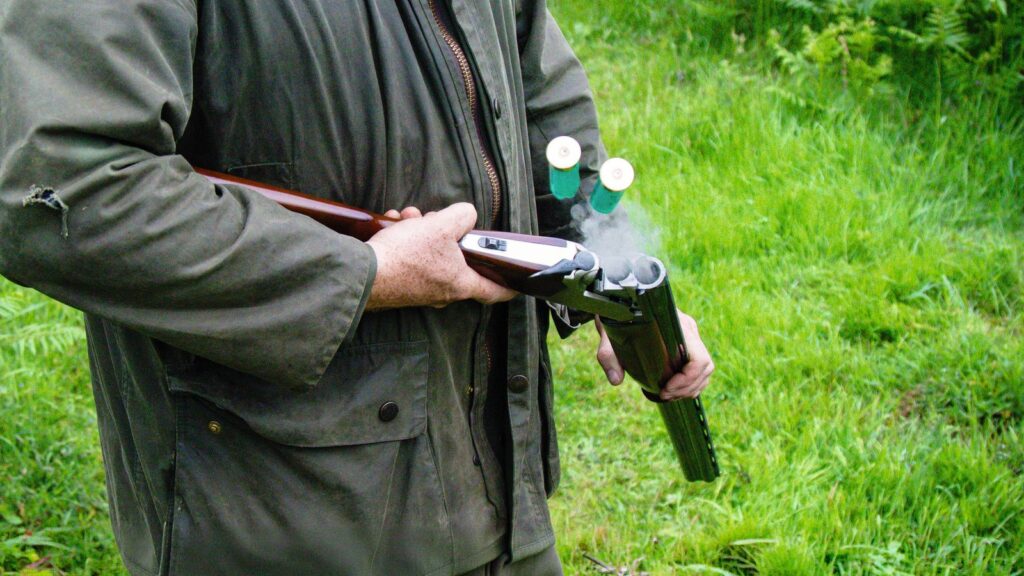
Eat Wild: lead ammunition is holding game back from the retail market
Game has a compelling story to tell, but lead remains an obstacle, argues Alan Beynon
By Alan Beynon | 18 November 2026
Get the latest news delivered direct to your door
Subscribe to Shooting Times & Country
Discover the ultimate companion for fieldsports enthusiasts with Shooting Times & Country Magazine, the UK’s leading weekly publication that has been at the forefront of shooting culture since 1882. Subscribers gain access to expert tips, comprehensive gear reviews, seasonal advice and a vibrant community of like-minded shooters.
Save on shop price when you subscribe with weekly issues featuring in-depth articles on gundog training, exclusive member offers and access to the digital back issue library. A Shooting Times & Country subscription is more than a magazine, don’t just read about the countryside; immerse yourself in its most authoritative and engaging publication.

