★ Win four pegs on a Kent simulated game day with JBD Sporting worth £1,000! Click to enter ★



Pigeon types: how to tell them apart
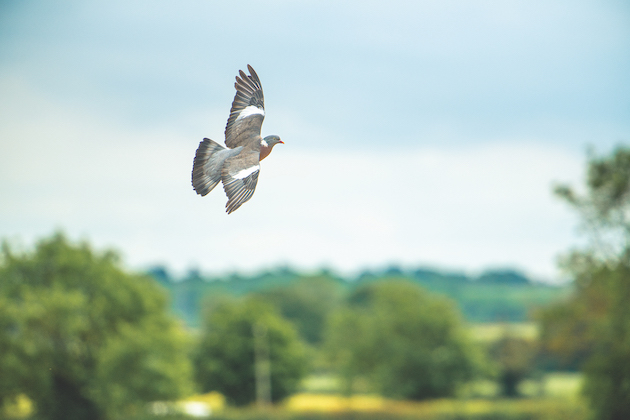 Flying woodpigeon

One thing I’m always asked about on social media is identifying pigeon types. If you’ve been shooting wood pigeons for a while, you’ll soon get your eye in and picking out woodies from other pigeon species will become second nature, even if they arrive in a mixed flock. You rarely have much time to make a decision as to whether the bird that has just arrived over your decoy pattern is your intended quarry, or indeed a species that is on the general licence. So getting good at identifying wood pigeons is a skill you should spend time honing. I go by the adage that if you don’t know what it is, you shouldn’t shoot it. (Read our tips on choosing the right shotgun and cartridges for pigeon shooting.)
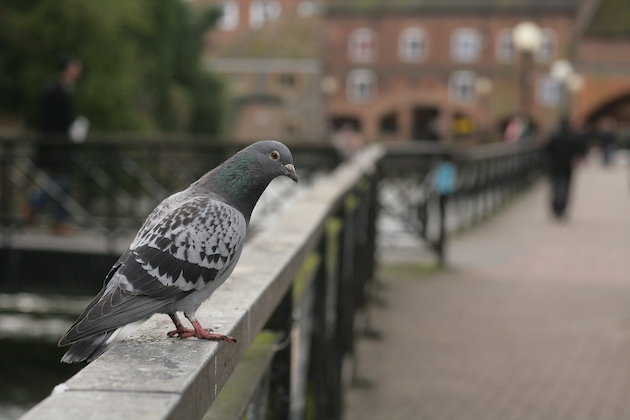
Feral pigeons in a town
You can’t beat time out in the field watching birds in flight to educate your eye. If you know an experienced shooter, try to spend some time in a pigeon hide with them to watch and ask questions. They can point out the differences in size, shape, wingbeats and markings and you should start to get a feel for what to look for. Next best is to use a good ornithology book. There are plenty around and they will give all the defining features and a detailed description to help you pick out the different species. Many will helpfully show a bird’s silhouette.
These days, the internet is also a great way to learn. I feature frequently on the Shooting Show on YouTube, and there are numerous clips of me shooting woodpigeons and plenty of footage of the birds in flight.
We rarely show clips of feral pigeons or blue rocks (rock doves), which are the two species you are most likely to encounter around my part of Essex, but if you can become confident in identifying woodies, you’re halfway there.
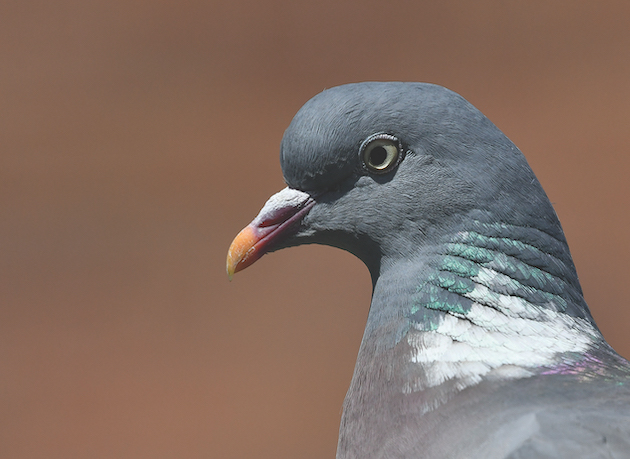
The white markings on each side of the neck of a woodie are distinctive
Woodpigeons are the largest of the pigeon species in Britain and by some margin; probably a quarter as large again than the other species. This should be a big clue when a mixed flock of birds arrives to your decoys. Another clue can be that woodies seem to be more assertive when they decide to come into a pattern. They will have a look from a distance then commit if they feel safe. If they’re high up when they commit, their wings will fold back and they aim for their chosen landing spot and only apply the brakes at the last moment before landing.
Watching and learning will help you to identify the birds coming into your decoys
The other species seem to flutter around more and seem less able to make a decision before landing. They often circle, gliding with their wings set in a V shape, and will approach then divert a few times. They are not as decisive. Many of you will have seen ferals circling a farm yard or grain store doing just this.
A woodpigeon’s wingbeats always look slower and more regular than the feral or blue rocks too. This may give you a good idea of the species of bird at longer distances before the scale becomes more apparent. To me, a woodpigeon’s wings seem to go straight up then straight down with no pauses or breaks. Very rhythmical. Ferals and blue rocks have a jerkier action. Their beats are faster, but have a fraction of a second pause at the bottom of each beat.
Can you distinguish a feral bird from a woodpigeon?
Markings
Probably the best and most obvious way of identifying woodies is by their distinctive markings. These are easy to read if you get a clear view of their profile or the top or front of their wings. On a woodpigeon’s neck, there are two large white spots – one on each side – and they’re very hard to miss unless the bird is in silhouette. They are the only pigeon species with this marking so if you see a white spot, you can be positive you have a woodie in your sights.
The same goes for the next most obvious marking. White wing bars are very prominent on the top side of the wings and run halfway along the wing from front to back. They’re easy to spot if the pigeon is turning in flight and clear if the bird is flying straight towards you. These two obvious markings are the ones most decoyers will rely upon, but time spent watching in the field is seldom wasted and you may well spot other features that help you identify woodies from other pigeons.
I tend to stick to shooting woodies if I’m out decoying. If the farm has a problem with ferals around the grain stores, I go and shoot them where they’re causing trouble. I find this makes life easier. You should be aware and remember that blue rocks are protected and not covered by the general licence. So, spend some time learning and watching and if you’re in any doubt, don’t shoot.
Related Articles
News, Shooting
Grouse counts 2026 point to recovery on English and Scottish moors
Mark Osborne of sporting agent JM Osborne reports a very welcome rise in the number of grouse counted on most moors in northern England and southern Scotland this July. Brood averages of eight and nin...
By Mark Osborne

Get the latest news delivered direct to your door
Subscribe to Shooting Times & Country
Discover the ultimate companion for fieldsports enthusiasts with Shooting Times & Country Magazine, the UK’s leading weekly publication that has been at the forefront of shooting culture since 1882. Subscribers gain access to expert tips, comprehensive gear reviews, seasonal advice and a vibrant community of like-minded shooters.
Save on shop price when you subscribe with weekly issues featuring in-depth articles on gundog training, exclusive member offers and access to the digital back issue library. A Shooting Times & Country subscription is more than a magazine, don’t just read about the countryside; immerse yourself in its most authoritative and engaging publication.