

A gift from the marsh: the first of September with the Colchester wildfowlers
The first of September calls wildfowlers back to the Essex saltmarsh, where the bag matters much less than simply being out there. Miles Malone joins Brandon Sharp for the opening flight
Photographs: Callum McInerney-Riley
The gentle south-westerly rustled the reeds as we headed towards the sea wall, walking field edges and navigating dykes of brackish water. The shrill call of distant waders built in intensity as we drew nearer the saltings. We climbed the embankment, revealing the tidal marsh beyond, the darkness only punctuated by the distant bright lights of the West Mersea hard, across the water, casting glinting reflections upon a flooded estuary. It was high tide on 1 September; we would follow the falling tide, which was already revealing the saltmarsh, meeting the dawn of a new wildfowling season.
Few people know this foreshore landscape better than Brandon Sharp, a long-term member of the Colchester Wildfowling and Conservation Club (CWCC), who was guiding us out for this first flight of the new season. Brandon is justifiably proud of the club, which he has been a member of for over 10 years. He started his wildfowling here, tentatively at first, but soon fell deeply under the spell of these preserved wild places and the wild and evasive ducks and geese that visit.
A long-awaited start to the wildfowling season
For Brandon, 1 September has been long-awaited. The closed season has been a busy one for the club, with work parties and conservation projects that form such an essential part of the rhythm of the wildfowling year. The irrepressible work of the tides means bridges need repairing, the flotsam needs clearing by volunteer rubbish collectors and mallard nesting tubes require annual maintenance. It was now time to enjoy the fruits of these necessary labours.
Understandably, 1 September is a date of anticipation for wildfowlers. Across the land alarm clocks will be sounding at an ungodly hour, the first of many early rises in the season ahead. This anticipation is rarely combined with the expectation of much shooting or of a full gamebag as a result. With the migratory birds yet to reach the east coast, wildfowl numbers on these marshes will be limited; hope lies with resident mallard, feral greylag and Canada geese, or that some early-arriving teal may produce a fleeting opportunity.
Instead, this day is a celebration of the ritual beginning once more, a return to these special places between the tides, once more immersing ourselves in the sights, sounds and, yes, even the smell of the foreshore that can instantly evoke a thousand memories of places which are at once both wild and familiar. It is not just the whisper of wings that we yearn for, but just to be present here, as nature’s clock turns and the dry, hot summer finally yields to the majesty of the autumn ahead.
Waiting for the first flight at dawn
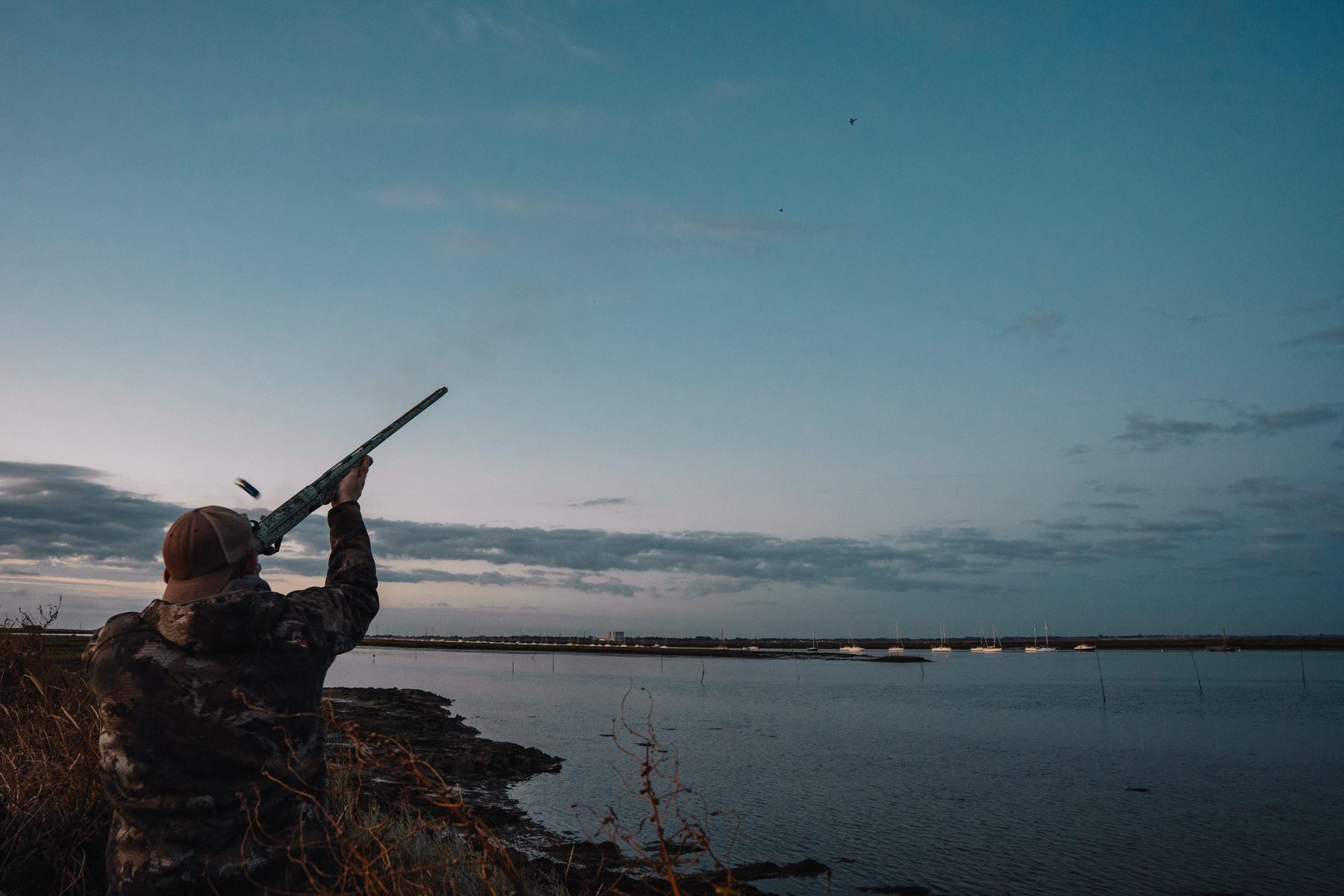
Brandon led us through a network of creeks and we reached our chosen location, kneeling low in the mud to obscure our outline and watching to the east for the movement of birds as dawn approached. A mallard flushed noisily in the dark ahead and flew distantly, soon subsumed into the gloom.
We chatted quietly, while keeping alert for the sound of wingbeats that might alert us to incoming duck. Brandon told me how much wildfowling brought to his life. “You take much more from the foreshore than you can possibly give back, it is a gift,” he said. “Getting out here allows any of the stress that life brings to ebb away.”
Brandon is not just a mere visitor to the foreshore; it is a way of life for him, part of his very being. He undertook 85 flights on these marshes last season, each one accruing hard-won knowledge of the landscape, the tides and the behaviour of wildfowl. “I have missed this,” he told me. “The season opener is special, it is like sitting in a theatre awaiting a big performance that is about to start.”
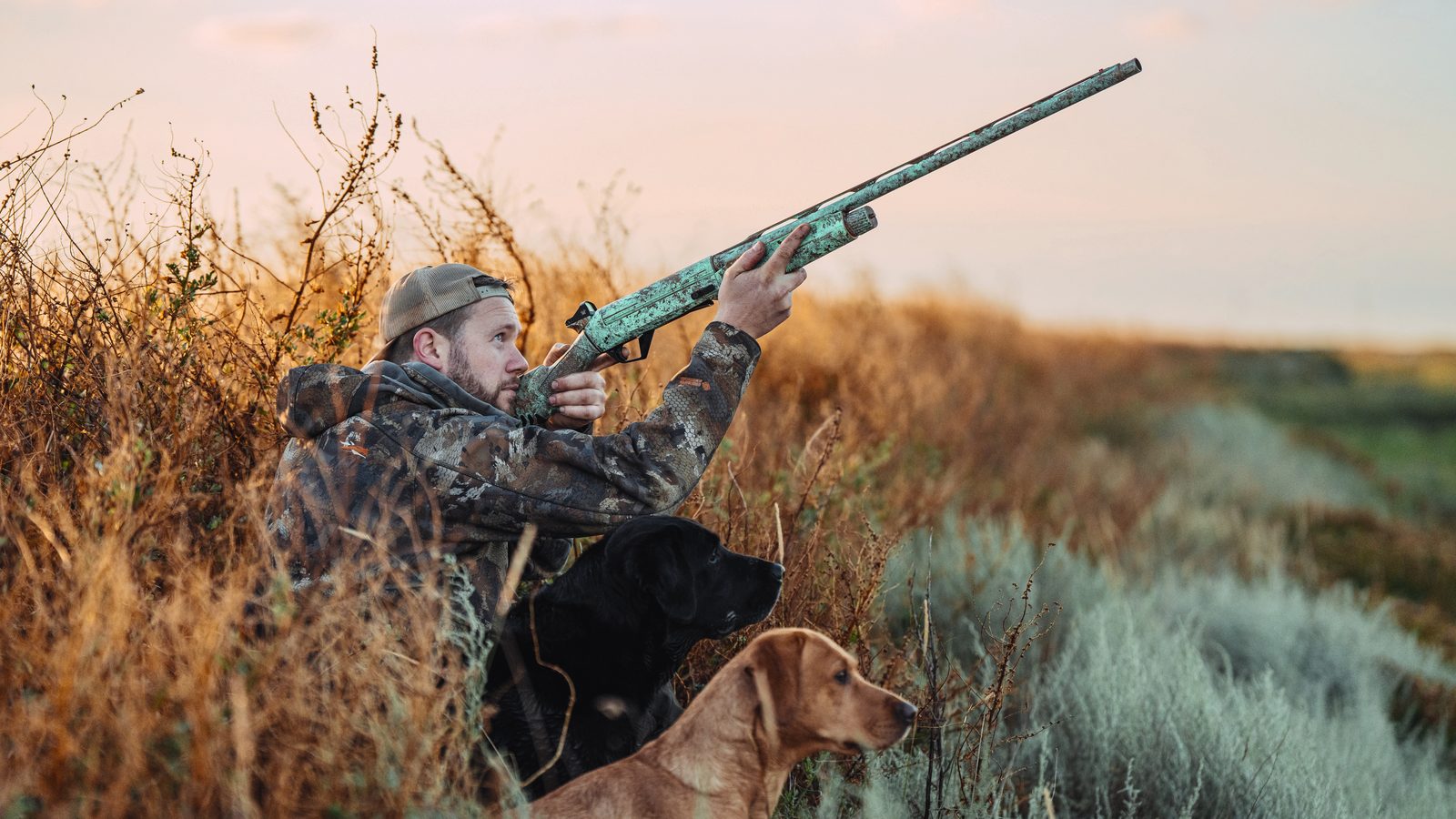
He did not have long to wait. Our conversation ended abruptly as a hiss of wings interrupted us. Two teal, following the tideline, suddenly appeared in front of us. Brandon raised his Benelli semi-automatic in a well-trained reflex, firing at the fleeting form of the lead bird. The first shot found only air, but the teal flared and rose into the sky where the second shot found its mark, folding it tightly.
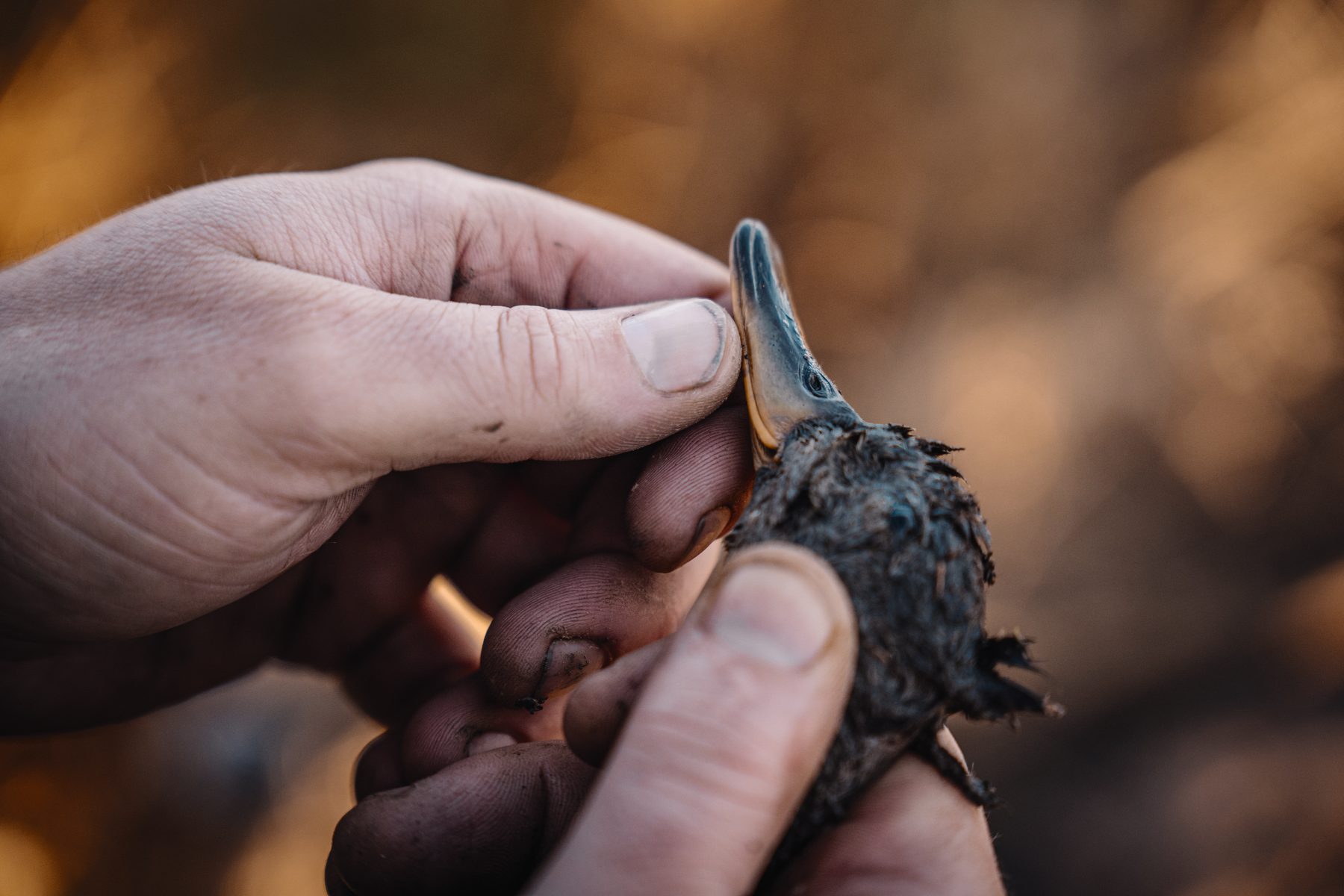
The splash as it landed solidly in the flooded saltings ahead was followed by Brandon’s command to his two Labrador retrievers, Datsun and Acer, who bounded forward enthusiastically and made short work of the retrieve. The first duck of the season was brought to hand, admired, then laid among the thick beds of samphire that surrounded us.
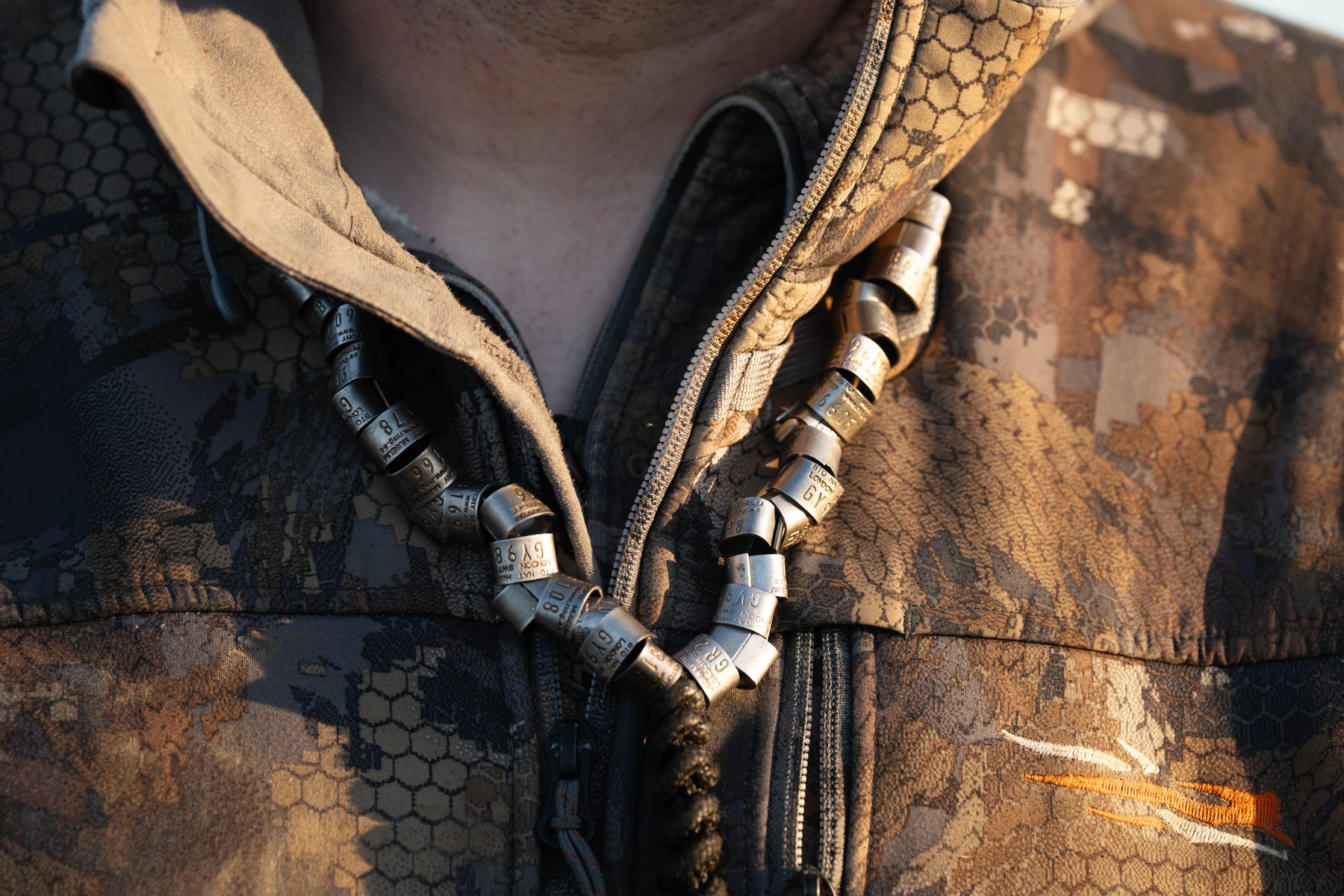
The eerie pre-dawn, when the grey light exposed first the contours of the marsh, then the distant sea wall, then finally the withies marking the tidal channel, was replaced as the sun finally broke the eastern skyline. The marsh was soon transformed, filled with colour and brightness. Datsun and Acer sat alert, scanning the sky for movement, noses pointed, scenting the air. A mallard flew high, crossing the water ahead of us, momentarily raising anticipation, but finally crossing beyond range without a shot being fired.
Once more we sat back contentedly and surveyed the scene before us: bar-tailed godwits probed the soft mud now exposed by the receding tide, a curlew flighted the river channel and a marsh harrier swooped then glided across the sea wall distantly. After a period of reflection, Brandon broke the silence. “When life gets big, it is important to go somewhere where you feel small.” I knew exactly what he meant.
Wildfowling on the Colne and Blackwater estuaries
As the sun rose the expectation of further action ebbed, but we were reluctant to drag ourselves from the view, both of us unwilling for the flight to end, enjoying every moment. We talked of the rich history of wildfowling on these special marshes, of the traditions and heritage that are so linked to this landscape. The CWCC is one of the established Essex clubs, rooted in the long tradition of coastal wildfowling on the marshes that surround Mersea Island, between the Colne and Blackwater estuaries.
These are prime wildfowling marshes, receiving huge numbers of visiting migratory wildfowl each autumn. The Blackwater estuary’s east-coast location and abundance of food-rich saltmarsh make it an important overwintering destination, sitting on the East Atlantic Flyway.
From the middle of October, the migration will be in full flow, with wigeon and teal, which make up the predominant quarry species, arriving from northern Europe and Scandinavia in their thousands. The Blackwater is also an internationally important wintering ground for the protected dark-bellied brent geese that have made the long journey from Arctic Russia and provide an incredible spectacle as they flight in vast skeins to and from the estuary.
Brandon’s kitbag
- Gun: Benelli Black Eagle 2
- Cartridges: Gamebore Mammoth Magnum Steel 36g No 3 shot
- Waders: Rogers Toughman Waders
- Jacket: Sitka Duck Oven
- Calls: Rich-N-Tone mallard call
Brandon always carries a canine first aid kit when on the marsh.

A modern club bringing new people to the foreshore
The CWCC has not rested on these long-held traditions; it is a modern and innovative club that has adapted to the challenges that wildfowling faces, demonstrating that sustainably harvesting wildfowl sits hand in hand with the conservation imperative.
This work provides longevity and continuity not just for the sport of wildfowling, but in stewardship of the landscape itself. The club takes pride in introducing new people to the sport, mentoring them through the process of quarry recognition, safe shooting, marsh safety and all the other aspects needed for a wildfowler.
“Bringing new people into the sport is really fulfilling,” Brandon tells me. He regularly takes out those who are new for their first experience beyond the sea wall, ensuring they are safe and confident before they tackle the marshes on their own. The club has members from all backgrounds and a broad age range, working together as a community, with a shared love of these wild places and the wildfowl that visit them.
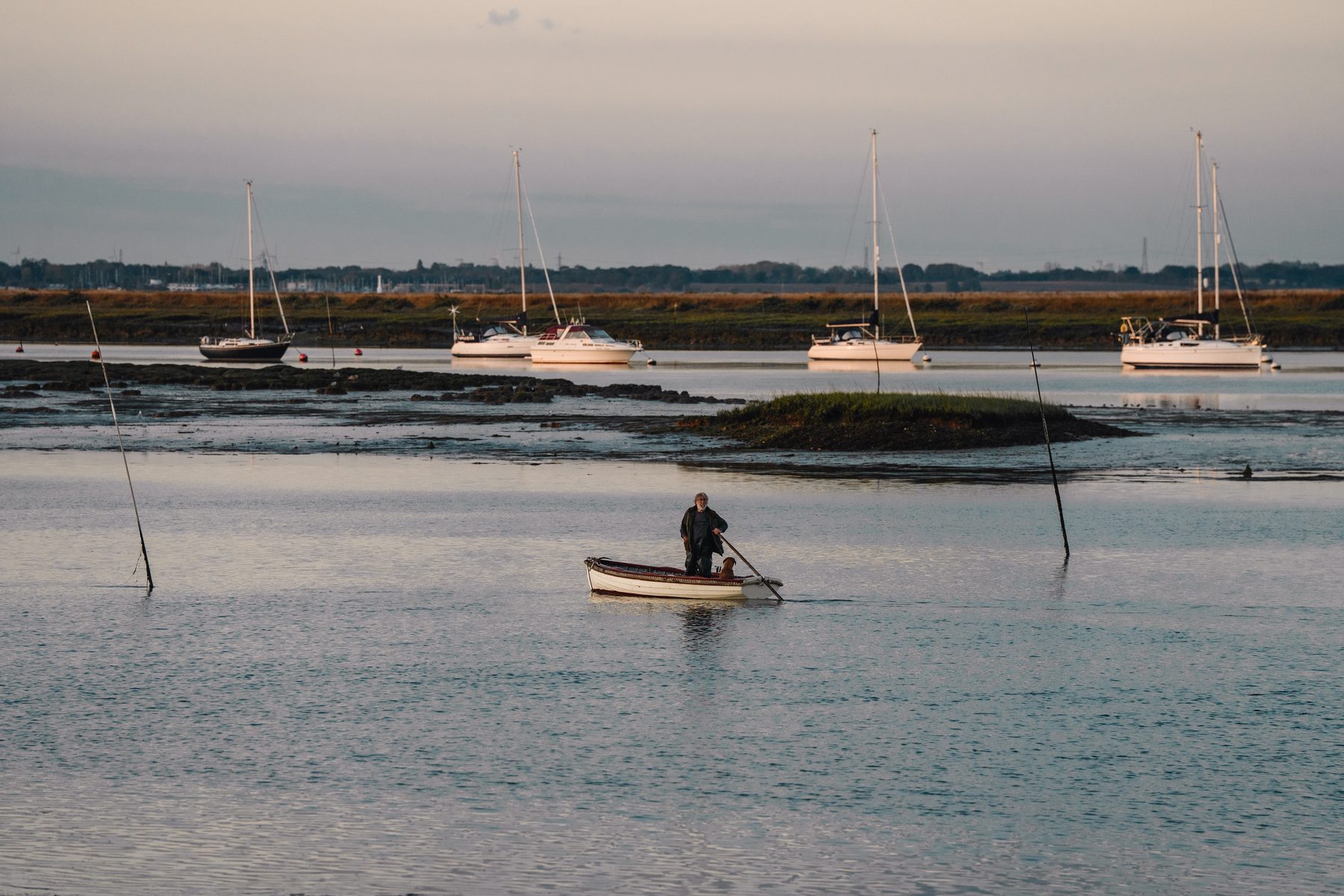
In the distance a dinghy appeared, soon identifiable as another wildfowler who had been sitting on a distant marsh. He sculled the craft with a single oar, his gundog sitting amidships surveying the view. He raised a hand in a wave which we duly returned, somehow this greeting conveying the shared ritual that is the season opener.
We finally ended the flight and sleeved our guns before the walk off. Brandon admired the teal once more before slipping it carefully into his gamebag. We both agreed that the bag is incidental on these early-season flights, but success, when it comes, is greatly celebrated. We talked excitedly about the season ahead, of the anticipation of things to come, of winter dawns with pushing tides, of wigeon flighting in the moonlight and of the haunting cry of geese on lonely marshes.
Frequently asked questions
When does the wildfowling season start?
The foreshore season for duck and geese opens on 1 September. Early in the season numbers are low, and the main migration of wigeon and teal reaches the Essex estuaries from the middle of October.
Are brent geese quarry?
No. The dark-bellied brent geese that winter on the Blackwater in large numbers are a protected species.

About the author
Miles Malone
Miles Malone is a wildfowler, deer manager, pigeon shot and fly-fisher, and a freelance fieldsports writer. He serves in the Army, chairs the British Armed Forces Fieldsports Association, and is a qualified Clay Pigeon Shooting Association instructor.
 Closes 15 JanuaryWorth £129.90Win a pair of tickets to the British Shooting Show 2027Enter nowFree to enter
Related Articles

Call of the Marsh: filmmaker Dr Robbie Kroger on why Britain’s wildfowlers deserve a global stage
The man behind Call of the Marsh, Dr Robbie Kroger, tells Martin Puddifer why Britain’s wildfowlers deserve a global stage
By Martin Puddifer | 17 November 2026

Jottings for wildfowlers: letting the ducks pass on a September dawn and waiting for geese
Mindful of Arthur Cadman’s old dilemma, Gethin Jones forgoes the ducks on a late-September morning flight and waits for the geese to lift
By Gethin Jones | 12 November 2026
Get the latest news delivered direct to your door
Subscribe to Shooting Times & Country
Discover the ultimate companion for fieldsports enthusiasts with Shooting Times & Country Magazine, the UK’s leading weekly publication that has been at the forefront of shooting culture since 1882. Subscribers gain access to expert tips, comprehensive gear reviews, seasonal advice and a vibrant community of like-minded shooters.
Save on shop price when you subscribe with weekly issues featuring in-depth articles on gundog training, exclusive member offers and access to the digital back issue library. A Shooting Times & Country subscription is more than a magazine, don’t just read about the countryside; immerse yourself in its most authoritative and engaging publication.

