★ Your magazine. Your say. Complete our reader survey with a chance to win Jack Pyke kit worth £500! ★


Cairngorms wildfire: gamekeepers join firefight on RSPB reserve
Gamekeepers and estate workers joined more than 50 firefighters as a blaze that began on RSPB ground burned hundreds of hectares of the Cairngorms, fuelling calls to fix Britain's burning licence rules
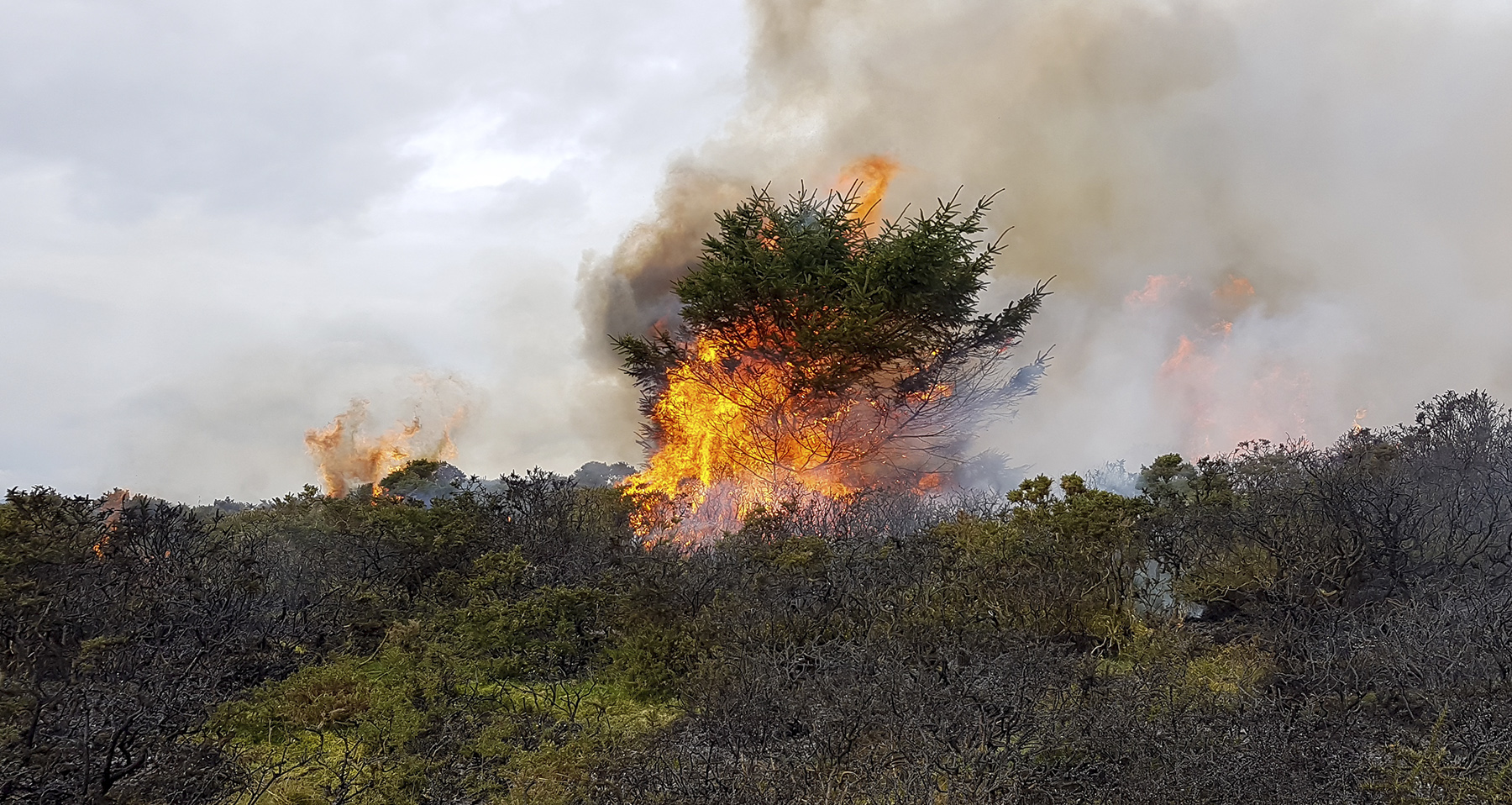

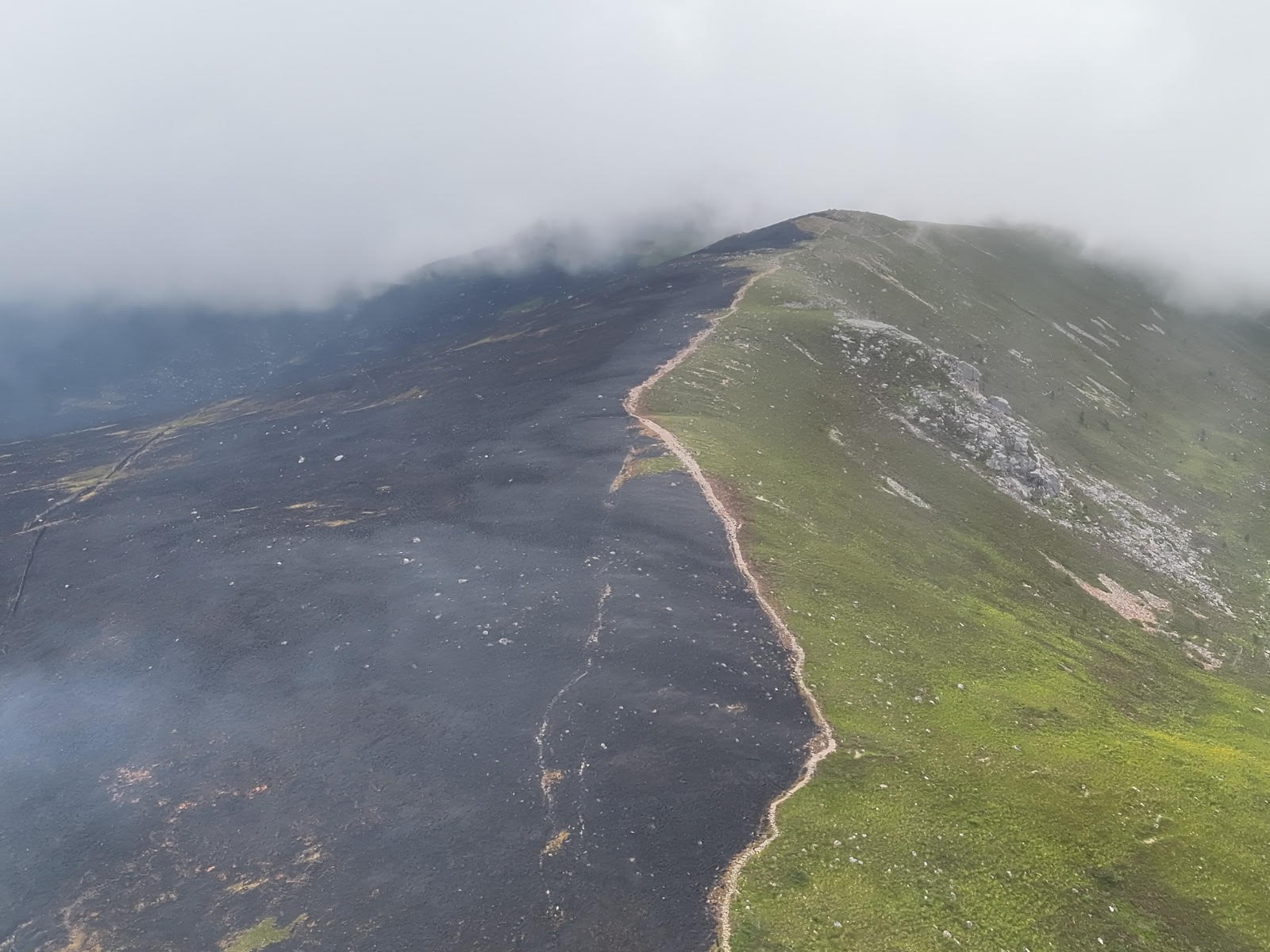
Gamekeepers, estate workers and farmers have spent three days alongside more than 50 firefighters battling a wildfire that began on the southern boundary of the RSPB’s Abernethy reserve in the Cairngorms National Park. The blaze near Glenmore has burned an estimated 300 to 400 hectares and has reignited calls to overhaul the rules governing controlled burning on both sides of the border.
Where did the Cairngorms wildfire start?
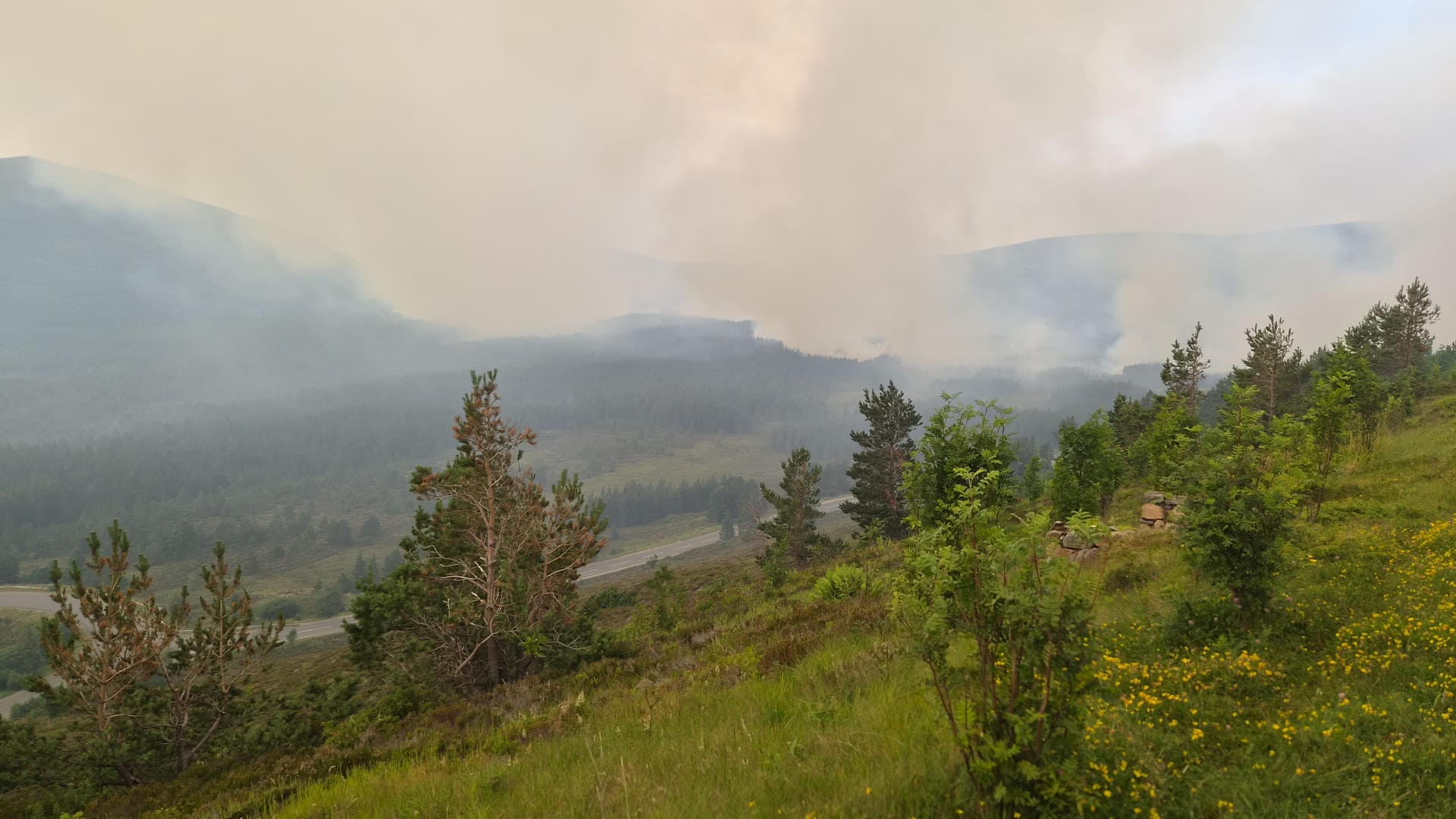
The fire took hold near Ryvoan Bothy at about 11.50am on Wednesday 15 July and spread more than two miles within 24 hours. The RSPB confirmed it began on the southern boundary of its Abernethy reserve, near Loch Garten, before spreading on to neighbouring Forestry and Land Scotland ground.
The affected ground includes Caledonian pinewood that holds some of Scotland’s few remaining capercaillie, with birds recorded near Ryvoan as recently as May. Properties and visitor centres at Glenmore were evacuated and cordons remain in place, though Aviemore is no longer in the immediately affected area. No casualties have been reported.
Who is fighting the fire?
At its height the Scottish Fire and Rescue Service deployed more than 50 firefighters, nine appliances, two helicopters and a high-volume pump, and crews worked through Thursday night. The RSPB sent 27 staff and volunteers with water bowsers and backpack hoses, while neighbouring estates, including Rothiemurchus and Wildland Ltd, provided fogging units and pumps.
Gavin Miles, director of planning and place at the Cairngorms National Park Authority, said: “The situation on the ground at Glenmore remains of real concern,” praising the “fire crews, NGO partners, gamekeepers, estate workers, local contractors, farmers and others all working tirelessly”.
Justice secretary Neil Gray said the fire was “currently contained thanks to the exceptional work of firefighters”, with the fire service confirming it had adequate resources committed to the incident. Ross Ewing, of Scottish Land & Estates, called the incident “clearly serious and fast-moving” and encouraged land managers to have specialist firefighting equipment ready to deploy.
A Spokesman for The Scottish Gamekeepers Association said: “This was a new kind of fire for the gamekeepers to tackle in many ways because they are more accustomed to hill fires on open ground. Most of this wildfire was in forestry with heather understory. FLS has a policy not to tackle fires so they were just overseeing operations, with the Fire Service.
“What was notable about this fire was that, without bulldozers trenching huge firebreaks, there wasn’t much else that was going to stop it, until the helicopters arrived. When the fire gets into trees, there is very little standing firefighters can do to make the difference.”
What does the fire mean for burning licences?
The blaze has sharpened criticism of the licensing regimes now governing preventative burning. In England, where more than 20 wildfires broke out during the third heatwave of the year, the CLA (cla.org.uk) says the burning licence system is failing.
Its president, Gavin Lane, said: “We know that careful and controlled burning, done at the right time of year, makes fires less likely to happen and easier to contain when they do.” The system for applying for a licence to burn, he said, was “so complex, time consuming and unwieldy as to be unfit for purpose”, adding: “Government must fix it, fast, so the people who know this land can protect it.”
In Scotland, muirburn is now licensed under the Wildlife Management and Muirburn (Scotland) Act 2024, a regime gamekeeping bodies have repeatedly warned will leave heavy fuel loads on unburned ground.
What happens next?
A very high wildfire warning covers Scotland until Monday 20 July, and the fire service says it is far too early to identify a cause. A full damage assessment, including the impact on capercaillie habitat, is expected once the ground is safe. Updates are being posted by the Cairngorms National Park Authority at cairngorms.co.uk, and the CLA’s statement on burning licences is at cla.org.uk.
 Closes 15 JanuaryWorth £129.90Win a pair of tickets to the British Shooting Show 2027Enter nowFree to enter
Related Articles

Rural crime funding of £800,000 confirmed for two national units
The Home Office says more than £800,000 will fund the National Rural Crime Unit and National Wildlife Crime Unit this year, as MPs tell a Westminster Hall debate that forces still lack the specialists...
By News Desk | 27 October 2026

Volunteer drone pilots catch catapult poachers in Hampshire
Footage from a police-tasked volunteer drone identified men firing ball bearings at pheasants from a moving vehicle near Linkenholt
By News Desk | 27 October 2026
Get the latest news delivered direct to your door
Subscribe to Shooting Times & Country
Discover the ultimate companion for fieldsports enthusiasts with Shooting Times & Country Magazine, the UK’s leading weekly publication that has been at the forefront of shooting culture since 1882. Subscribers gain access to expert tips, comprehensive gear reviews, seasonal advice and a vibrant community of like-minded shooters.
Save on shop price when you subscribe with weekly issues featuring in-depth articles on gundog training, exclusive member offers and access to the digital back issue library. A Shooting Times & Country subscription is more than a magazine, don’t just read about the countryside; immerse yourself in its most authoritative and engaging publication.