★ Win four pegs on a Kent simulated game day with JBD Sporting worth £1,000! Click to enter ★

Moorland Association calls for a national wildfire agency
The association says Britain has able fire crews but no one in charge of the whole fire chain, and points to Portugal's AGIF as the model
 Eastside Farm Wildfire Image 3 · Credit: Jenny Cowan

The Moorland Association has called on the Government to consider a single national wildfire agency, arguing that Britain has capable fire crews but no national strategy and nobody in overall charge of a rising risk. Its analysis, published this week, points to the agency Portugal built after its deadly 2017 fires as the model.
How bad is Britain’s wildfire problem?
The National Fire Chiefs Council recorded 996 wildfire incidents across England and Wales by early September 2025, more than the 994 logged in the whole of 2022, until then the worst year on record. The association says fires are arriving earlier in the year and reaching ground once thought too wet to burn.
Behind the figures sits what fire scientists call the fire paradox: decades of successful suppression allow fuel to build, setting the stage for larger and harder fires under extreme weather. The association argues the answer is to manage the fuel, not just fight the flames.
Who is in charge of wildfire in Britain?
No single body, the association says. Fire and rescue services attend wildfires as a statutory duty, and responsibility for them in England moved to the Ministry of Housing, Communities and Local Government in April 2025. Defra leads on land management and wildfire mitigation, while the Cabinet Office handles national risk.
Co-ordination rests largely on voluntary, non-statutory groups: the England and Wales Wildfire Forum, the Scottish Wildfire Forum and the fire chiefs’ own wildfire group. The England and Wales forum has itself told Parliament there is a framework document but no national wildfire strategy. The rulebook changes at each border too: England’s 2025 regulations lowered the protected deep-peat threshold to 30cm, Scotland’s muirburn licensing under the 2024 Act is expected to go live this autumn, and Wales and Northern Ireland run their own arrangements.
What did Portugal build after 2017?
Rural fires killed more than 100 people in Portugal in 2017. In 2018 the country created the Agency for Integrated Rural Fire Management, known as AGIF, and in 2020 it adopted a national plan for rural fire management running to 2030. The design principle is integration: prevention, land use and firefighting joined under one co-ordinating roof rather than left in separate silos.
The association says the transferable lesson is the governance, not the overseas ecology: strategic planning, trained and accredited burners, formal burn plans, smoke management and an institution that treats fuel as a landscape-scale problem.
What happens next?
Whether Britain needs its own version of AGIF is, in the association’s words, a question for government, and one the wildfire forums and fire chiefs have already put on the table. Gamekeepers and land managers, who already train and work alongside fire crews, would sit at the centre of any integrated system. The full analysis can be read on the Moorland Association’s website.
Frequently Asked Questions
What is AGIF?
AGIF is Portugal’s Agency for Integrated Rural Fire Management, created in 2018 after fires killed more than 100 people in 2017. It co-ordinates prevention, land use and emergency response under one roof, working to a national plan that runs to 2030.
How many wildfires did England and Wales have in 2025?
The National Fire Chiefs Council recorded 996 wildfire incidents by early September 2025, already more than the 994 logged in the whole of 2022, until then the worst year on record.
Who currently leads on wildfire in the UK?
Responsibility is split. Fire and rescue services in England answer to the Ministry of Housing, Communities and Local Government, Defra leads on land management and mitigation, the Cabinet Office handles national risk, and co-ordination rests on voluntary forums. Wildfire policy is devolved, so Scotland, Wales and Northern Ireland run their own arrangements.
Related Articles
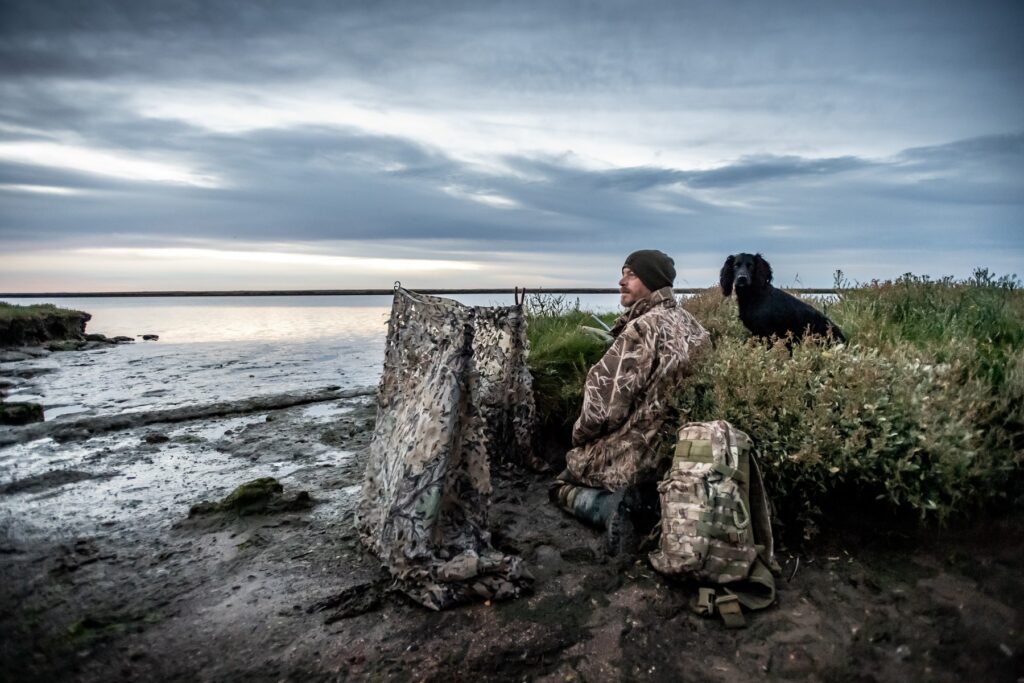
Natural England moves SSSI consents to a new online portal
Shoots, wildfowling clubs and land managers on designated ground must now apply through the online service, BASC has told members
By News Desk | 14 August 2026

Natural history GCSE: can a new subject bridge the gap?
If shooting helps to shape it, a new natural history GCSE could open teenagers’ eyes to land management, says Conor O’Gorman
By Conor O'Gorman | 14 August 2026
Get the latest news delivered direct to your door
Subscribe to Shooting Times & Country
Discover the ultimate companion for fieldsports enthusiasts with Shooting Times & Country Magazine, the UK’s leading weekly publication that has been at the forefront of shooting culture since 1882. Subscribers gain access to expert tips, comprehensive gear reviews, seasonal advice and a vibrant community of like-minded shooters.
Save on shop price when you subscribe with weekly issues featuring in-depth articles on gundog training, exclusive member offers and access to the digital back issue library. A Shooting Times & Country subscription is more than a magazine, don’t just read about the countryside; immerse yourself in its most authoritative and engaging publication.