★ Your magazine. Your say. Complete our reader survey with a chance to win Jack Pyke kit worth £500! ★


Knowledge is power: training the police to tackle rural crime
Mowbray Partners is a digital training agency equipping police with rural knowledge via its online portal. Martin Puddifer finds out more
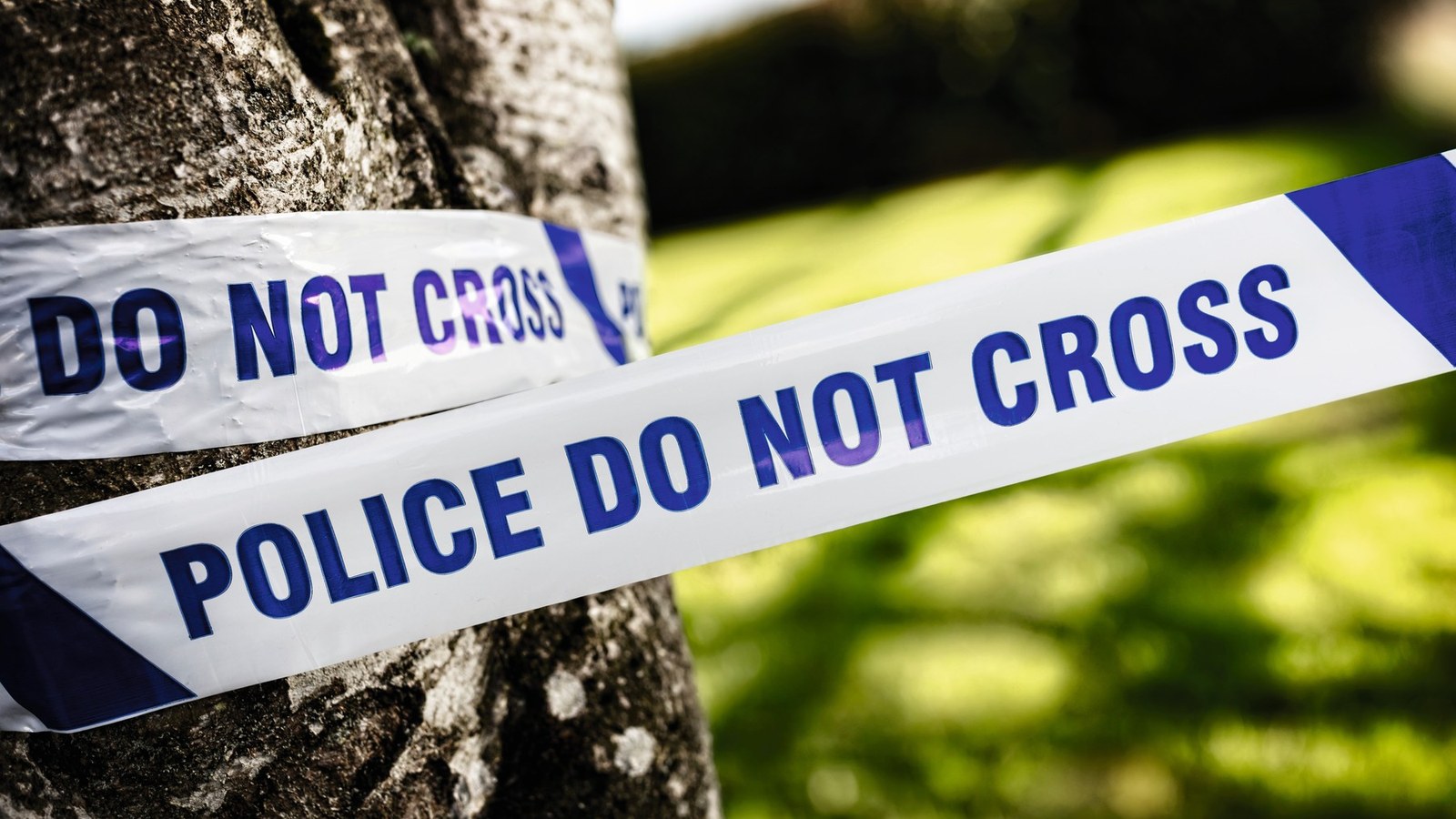

Wildlife crime training probably doesn’t keep all police officers awake at night. Which is precisely the problem. Out in the real world – on the farms, across the moorlands where gamekeepers work – wildlife crime is serious and organised. Yet for years, if an officer needed training on how to deal with it, they were out of luck.
Enter Ken McIntosh and Paul Williams, co-founders of Mowbray Partners. They’ve built a digital training academy that’s already trained 1,300 officers in its first year, and it’s working because it solves a real problem. Wildlife crime training didn’t exist at the College of Policing. The National Wildlife Crime Unit (NWCU) was doing it itself, with few resources making it increasingly expensive.
“I had a meeting with the head of the NWCU,” explains Ken, a former assistant chief constable. “The cost of the NWCU course was not insignificant, it was a week-long residential, and obviously had all the abstraction costs attached to it, too.”
The impact of the cost and an officer who’d be off the beat for a week meant that few could attend. “The number of police officers able to go on it was reduced,” Ken adds. “They come from all over the country to a single place, which makes it even more difficult.”
Why rural crime training fell through the cracks
Why isn’t this a higher priority for policing? Police budgets are limited and are spent according to risk. As Ken explains: “You’re competing against serious crime training, sexual offences training and so on. It’s all based around risk. What’s the biggest risk? Unfortunately rural crime training was not likely to be a priority for the College of Policing or individual forces. If we didn’t provide it, within a few years it is quite likely that it wouldn’t exist at all.”
Mowbray Partners set about building its training with experts in wildlife crime investigation, using their skill sets from a range of fields. “Knowing what we’d done with firearms licensing training, the wildlife crime team asked us to do a similar thing for them,” Ken explains.

How the training was funded and built
“We recognised that by providing the training digitally it would be easier for officers to complete,” he continues. “We got funding from a range of bodies – the police themselves, BASC, Defra and Natural England – the organisations and people who have an interest in the area.”
Building the course used a lot of time and resources. Paul explains: “The majority of the money went towards building the modules. Hunting with hounds, for instance, is not a single unit: it’s three modules with a couple of hours of learning. The work that went into it was significant, and of course it needed to be correct.”
Mowbray Partners has invested its own money, too. “We’ve invested a lot of our own money because, while we’re in business, we felt it’s the right thing to do,” he adds. “We are currently looking for sponsorship to be able to continue to provide this training to the police at a minimal cost.”

Thinking, not memorising
The training has 10 modules totalling about 10 hours. The point isn’t memorising – it’s thinking. Ken describes the philosophy: “It is about general knowledge of the law. You need to know if it is a matter for the police or another agency. If it’s another agency, who is it and how do you contact them? If it’s the police, what does a good investigation look like? What are the points to prove?”
Paul makes the point plainly: “There’s a big difference between putting information down and having education that actually works. Other training can be just a lot of words – read this and you’ll know what you’re doing – which obviously doesn’t work.”
In the first year some 1,300 officers completed the training, beating the 1,000 target. Crucially it’s entirely voluntary. No one was ordered to do it.
Ken explains: “When I used to run the training budget for North Yorkshire Police, I had to beat the drum to get people to do the mandatory training. With this training it’s all optional. Everyone who has come on has volunteered to do it because they’re passionate about this stuff.”
The voluntary model has attracted special constables, conservation officers and rural community members. Ken recalls speaking with two women from Humberside who patrol on horseback and signed up as special constables. “They asked if they would be able to do the training as part of their role, and of course they absolutely could.”

An army of super-connected people
Ken is ambitious for the future: “My personal ambition would be to roll it out completely to all partners who have an interest in the countryside. To develop a small army of super-connected people who are very well trained, all trained to the same level, who can operate collectively to try and prevent rural crime and support investigations.”
Paul adds an international angle: “We want to be seen in the conservation enforcement arena as an organisation where training and education are top class, so that organisations in Europe or elsewhere see that we can help them in doing similar sorts of things.”
For gamekeepers, farmers and anyone who works in rural Britain, this means police officers who actually understand their world – who know the seasonal patterns, the stakeholders, what’s legitimate and what’s criminal.
Before Mowbray Partners, wildlife crime occupied an awkward space in policing. Now there’s a proper route for officers who want expertise in this area. Judging from their response, that’s exactly what was needed.
Find out more about Mowbray Partners
Mowbray Partners also works with a wide range of conservation and commercial partners. For more information about the agency and its work, visit its website.
Frequently asked questions
What is Mowbray Partners?
Mowbray Partners is a digital training agency co-founded by Ken McIntosh, a former assistant chief constable, and Paul Williams. Its online academy teaches police officers about wildlife and rural crime through 10 modules totalling about 10 hours of learning.
Who pays for the police rural crime training?
The training was funded by a range of bodies with an interest in the countryside – the police themselves, BASC, Defra and Natural England – alongside Mowbray Partners’ own investment. The agency is now seeking sponsorship so the training can continue at minimal cost to forces.
Do police officers have to take the training?
No – it is entirely voluntary, which its founders see as a strength. Some 1,300 officers completed it in the first year, beating the 1,000 target, and it has also attracted special constables, conservation officers and rural community members.

About the author
Martin Puddifer
Managing editor of Shooting Times since 2026, Martin is based in Nottinghamshire and has worked on shooting and fieldsports titles since 2007, writing for Shooting Gazette and Airgun World. He took the editor's chair from Ollie Harvey, and now runs the weekly, from news pages and features commissioning to the magazine's expert panels. At home he has two rescue greyhounds, a breed that gives him a particular sympathy for readers' letters about dogs who take a firm view of what they will and will not do.
Related Articles

Scotland puts helicopters on standby for wildfire season
The Scottish Fire and Rescue Service will hold helicopters on immediate standby whenever wildfire risk is assessed as high, very high or extreme, answering calls from land managers after the Cairngorm...
By News Desk | 7 September 2026
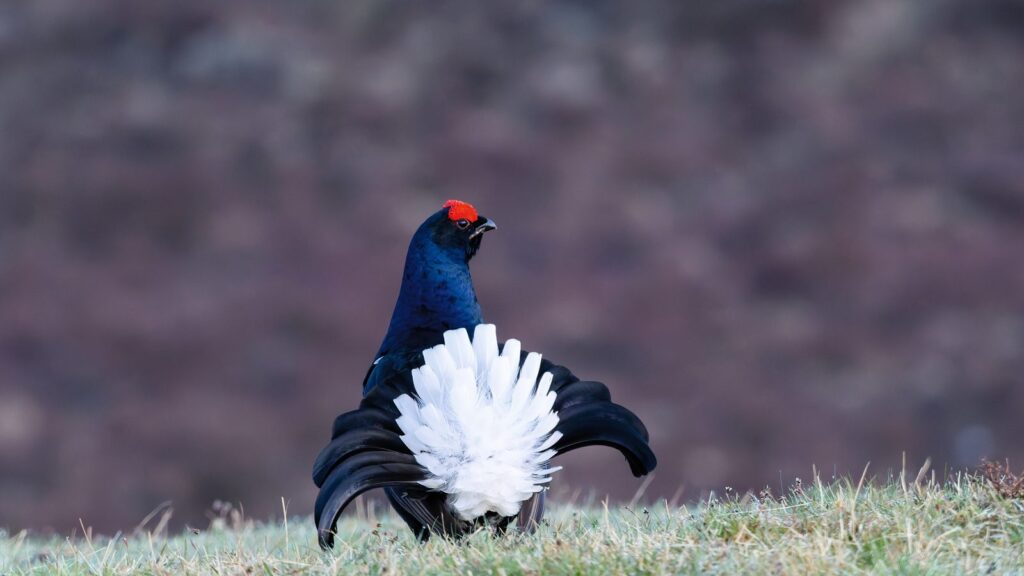
Pointing dogs tally black grouse before a third North York Moors move
North Pennines keepers ran their annual black grouse count with pointing dogs two days before the Twelfth, joined by the GWCT's Phil Warren. The numbers will decide how many birds move to the North Yo...
By Shooting Times | 6 September 2026
Get the latest news delivered direct to your door
Subscribe to Shooting Times & Country
Discover the ultimate companion for fieldsports enthusiasts with Shooting Times & Country Magazine, the UK’s leading weekly publication that has been at the forefront of shooting culture since 1882. Subscribers gain access to expert tips, comprehensive gear reviews, seasonal advice and a vibrant community of like-minded shooters.
Save on shop price when you subscribe with weekly issues featuring in-depth articles on gundog training, exclusive member offers and access to the digital back issue library. A Shooting Times & Country subscription is more than a magazine, don’t just read about the countryside; immerse yourself in its most authoritative and engaging publication.