

Born for the chase: how working dogs kill their quarry
All dogs are predators, and Jackie Drakeford explains how understanding the way wild canines kill tells you a great deal about the dogs working in front of you
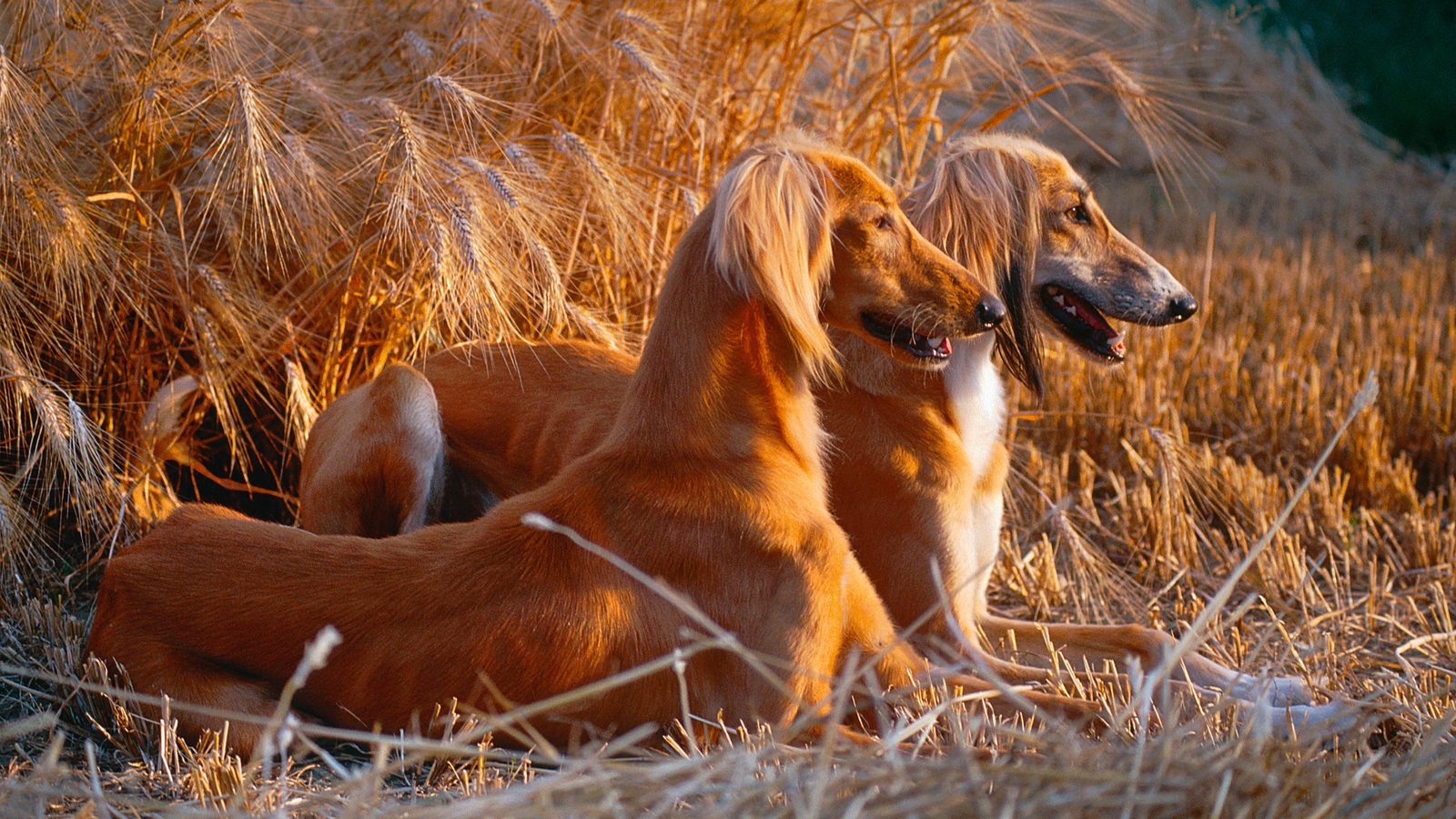

Dogs are predators. All of them. Anything they joined the human race for involves that predator instinct, enhanced by selective breeding and training so that their desire to predate can be harnessed for our benefit.
For instance, we breed and train for a “stop” in the hunting sequence, so that gundogs find, flush and stop, and working collies find, then drive the “prey”, the sheep, towards the shepherd to be “killed”.
If we watch wild canines being predatory, we can learn a lot about our dogs, but human imagination can be limited and we can be told a lot of rubbish by those who don’t have the mental powers to analyse what their eyes are seeing.
What a wolf pack actually does to a herd of deer
Watch a wildlife film showing a pack of wolves working a herd of deer. Any one of those deer can terminally injure a wolf, so they don’t just pile into the herd willy-nilly, and they don’t all pick one each and attack it. Instead, they set the herd running and hold off until one splits from the main group. That’s the weak one, and the pack will focus on bringing it to book. They only need one deer; the rest can carry on. Nor, despite the common use of the phrase, do they “pull it down”. To do so would involve far more effort, far more risk, than would be survivable. Instinct is a wonderful thing.
How a hunting dog brings quarry down
Until 2005, in the days when the law was far more lenient about hunting, observing the instinctive process of a dog that was intent on grassing a deer proved that risk to the predator was kept to a minimum. Dogs never pull anything down – they trip up their quarry. It is therefore the running deer’s own momentum that brings it down at speed, with minimum risk to the dog.
There are various ways hunting dogs achieve this. Some will knock one of its hind legs across the other; some will run level with the shoulder and smack into it when both of its forelegs are off the ground.
I knew a show-bred saluki that would run parallel with its quarry – sighthounds are much faster at cruising speed than a deer – then jump on to the deer’s back and catch hold of its neck just behind the head. The resulting somersault would break the deer’s neck. The art of the hound was in letting go of the deer at the right moment so as not to be injured herself, and she got it right every time.
Equally, in pre-2005 days, with a single dog used for fox control, a number of techniques would achieve the result without the dog being bitten. Running parallel with it pushed the fox too hard to escape or retaliate. Once the energy had been taken out of it, the dog would reach across the back with a spine- and rib-shattering bite.
I had one lurcher who would reach down across the spine just in front of the pelvis, delivering a massive bite and shake that was instantly fatal. As we worked with free-range poultry at the time, her talents were well used. To deliver a coup de grace bite, a dog needs a long jaw. Nearly all wild canines have long muzzles and that’s why.
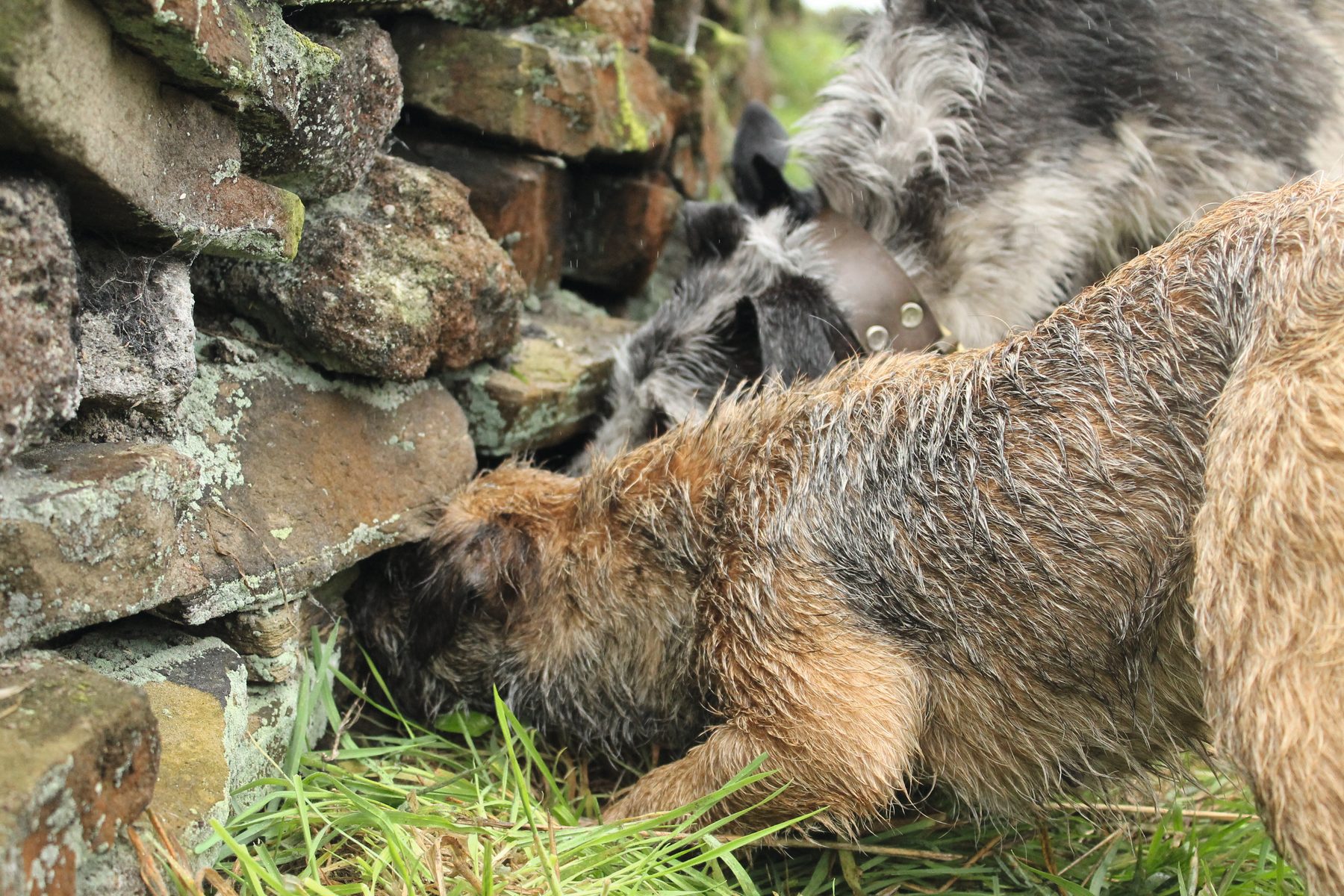
Ratting terriers that know their job don’t waste time or energy on shaking a rat they have caught – one bite and drop is what they do. Sometimes an old terrier in the grip of senility will shake a caught rat, but career terriers that do a lot of ratting won’t waste time and energy like that – they want to be ready for the next bolt.
Why a rabbiting dog delivers its quarry unmarked
Rabbit-catching dogs don’t damage the rabbit, but chase, pick up and retrieve, delivering to hand an unmarked quarry. Meat destined for the table shouldn’t be damaged and dogs have helped feed us for millennia. Dogs used for this purpose can easily be trained to predate only certain species; a dog fired up from catching a marauding fox in the poultry yard will rarely redirect its predatory instincts to the fowl.
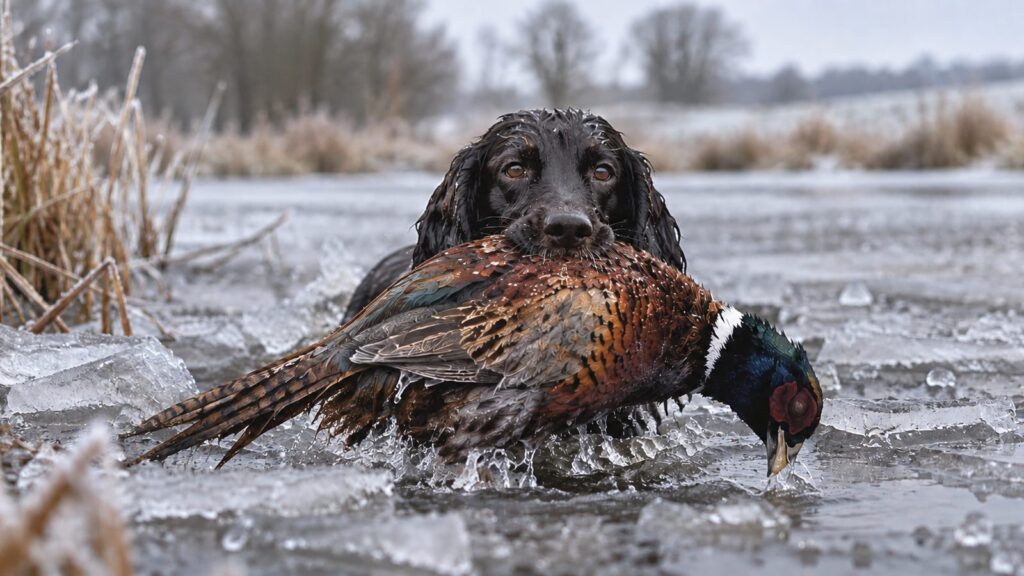
Some breeds have, over many years, had the predatory instinct mostly bred out of them; these are our gundogs, fetching shot game without seeing it as food. This can go wrong, however, and a number of well-bred gundogs turn predator when at liberty among freshly shot game. It is very common and perfectly natural.
To acknowledge the killing power of the average dog is not a flaw. Instead, it is a wise acknowledgement of the power and mindset that help our working dogs do what we want in the way we want it.
Jackie’s viewpoint
To fight is to founder
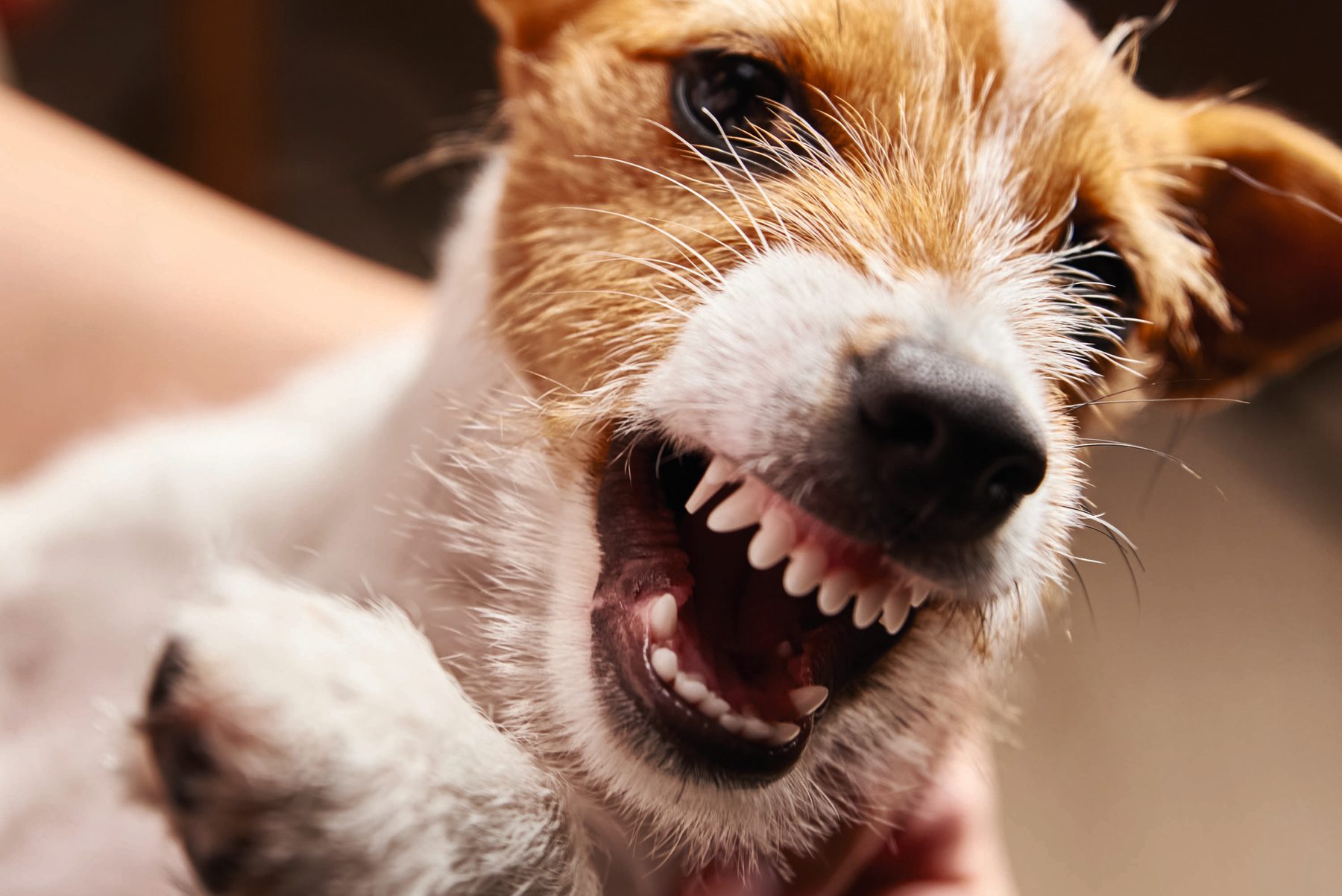
Giving dogs the freedom to fight will only end in disaster
If the child is father of the adult, then the pup is father of the dog. To ascertain and predict training’s easy rides and challenges, we need to look at the breeds’ original purposes. Thus retriever pups will carry items about, hound pups will hunt by scent or sight depending on type, terriers will dig, herding dogs will herd, some types will have a strong affinity for water, others will love the sound of their own voices. And fighting dogs will want to fight other dogs.
It doesn’t matter that they are described as “loving family dogs”, because part of the necessary character of a fighting breed was that it could be handled while anticipating doing its job. Such dogs do not need to be big, but they will be powerfully built with immense jaw strength and a dislike of letting go of what is in their mouths.
And the secret of keeping them in their box as family pets is never to give them the opportunity to enjoy the huge rush of adrenaline that fulfilling their genetic legacy will give. When you add a greater size to the equation, you create a dog that has no place in the domestic human pet-keeping environment.
Nobody needs a dog like this, which is why so many “of type” are illegal to keep in many countries. But it is easy for human interference to contradict human intelligence, and create large dogs with a combative nature and immense physical strength that do not come into the “prohibited type” category. This is akin to keeping a grenade with the pin out, and current legislation offers us less protection than we need.
Anyone who has had to deal with an attack on their own pet dog by one of these monsters knows that there is no place for them in the modern dog world.
Jackie Drakeford is a working dog instructor and behaviourist with a special interest in lurchers and terriers.
Frequently asked questions
Do hunting dogs really “pull down” their quarry?
No. They trip it up, and the running animal’s own momentum brings it down at speed. Pulling anything down would involve far more effort and far more risk to the dog than would be survivable.
Why do some well-bred gundogs turn predator among shot game?
Because the predatory instinct has been mostly bred out of them rather than removed. A gundog at liberty among freshly shot game can revert, which Jackie Drakeford describes as very common and perfectly natural.
Why do experienced ratting terriers bite and drop rather than shake?
To save time and energy. A career terrier wants to be ready for the next bolt. Shaking a caught rat is more often the mark of an old terrier in the grip of senility.

About the author
Jackie Drakeford
A Sussex-based countryside writer with a special interest in lurchers, Jackie was born and brought up in the New Forest and has had a lifelong interest in horses and working dogs. She is well known as a lurcher showing and obedience judge and judges at ferret shows too, works, trains and occasionally breeds her own working lurchers, and is involved in lurcher rescue. A Kennel Club accredited instructor and behaviourist and a founding member of the GEM Ferret Care Group, she is a widely respected author of dog-care titles, among them Understanding the Working Lurcher, The House Lurcher, The Working Lurcher: The Traditional Skills and Working Ferrets, and has hunted with lurchers from the south coast to the northernmost tip of Scotland.
 Closes 15 JanuaryWorth £129.90Win a pair of tickets to the British Shooting Show 2027Enter nowFree to enter
Related Articles

My working terrier journey: what Norway’s elk-hunting laikas reveal about the working terrier
In this extract from his book My Working Terrier Journey, Martin Webber watches West Siberian laikas hold an elk in a Norwegian forest and sees clear parallels with the terrier below ground
By Martin Webber | 4 November 2026
Gundog health: a shoot-day guide for keepers and pickers-up
Fitness, feeding around a drive, the first aid kit in the truck, heat on a mild October day, the wet dog on the peg, limber tail and what to do when a dog goes through the ice: the checks to make befo...
By News Desk | 29 October 2026
Get the latest news delivered direct to your door
Subscribe to Shooting Times & Country
Discover the ultimate companion for fieldsports enthusiasts with Shooting Times & Country Magazine, the UK’s leading weekly publication that has been at the forefront of shooting culture since 1882. Subscribers gain access to expert tips, comprehensive gear reviews, seasonal advice and a vibrant community of like-minded shooters.
Save on shop price when you subscribe with weekly issues featuring in-depth articles on gundog training, exclusive member offers and access to the digital back issue library. A Shooting Times & Country subscription is more than a magazine, don’t just read about the countryside; immerse yourself in its most authoritative and engaging publication.

