

Gamekeeper: why the heat made grouse counts worthless, and how spring data shows the surplus
Record heat made the summer grouse counts all but worthless this year, says Lindsay Waddell, but keepers who trusted their spring data and knew how their birds had bred could work out the surplus they had
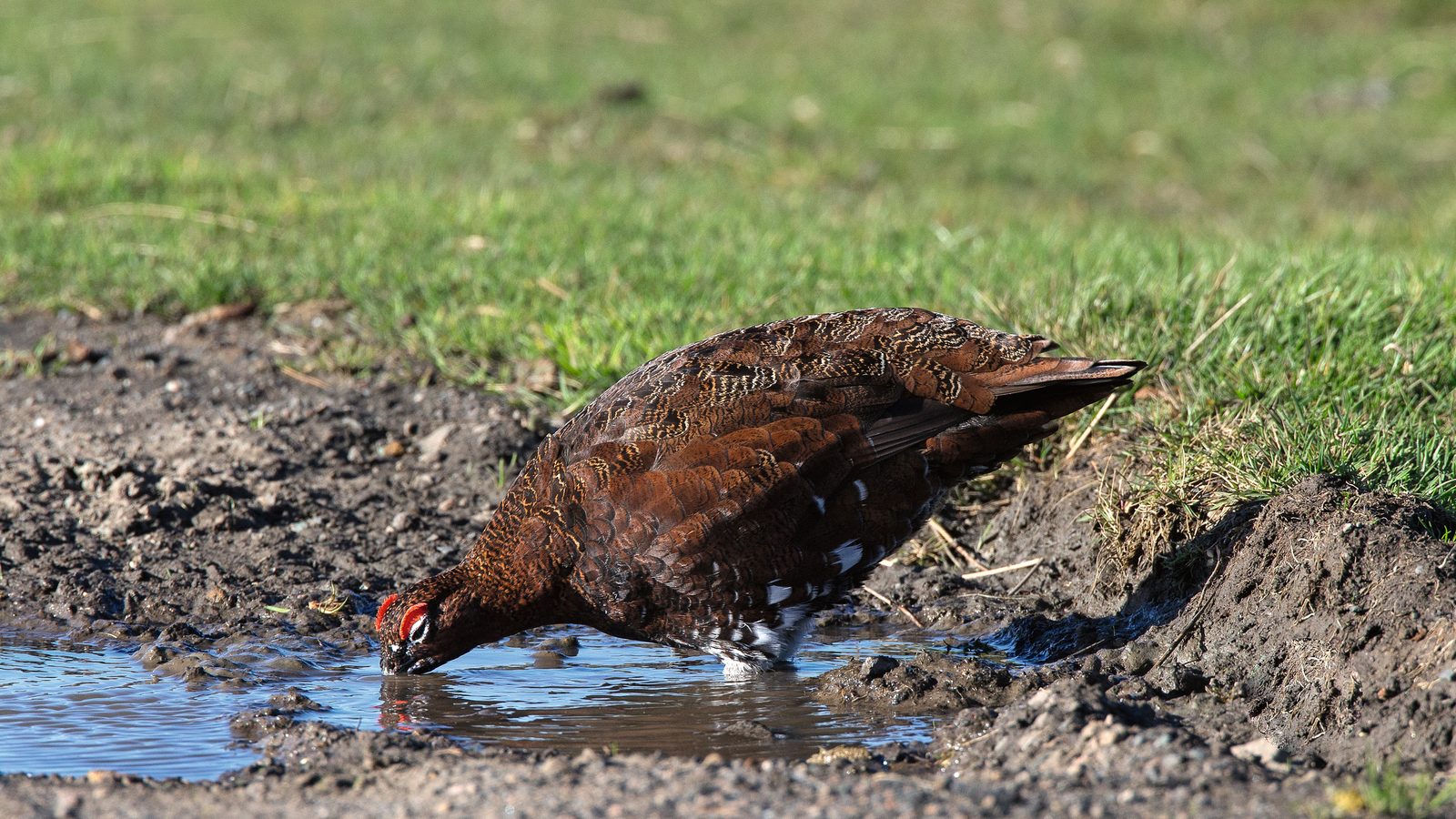

With more species – partridge, duck and pheasant – joining in on what’s on offer for the shotgun sportsman and woman, the grouse are now for many forgotten, and yet for those moors which had a good surplus the season goes on. And it will go on for some time with a few keepers trying to reduce those numbers to a sustainable stock.
The problem some had this year was estimating just what surplus they did have, as, in the heat we had, the summer counts were, in some cases, not worth the paper they were written on, never mind the time and effort it took to do them.
Hot summers and unreliable grouse counts
For those of us long enough in the tooth, hot, dry summers are nothing new. This one did break records, but some of those in the past came close, and one of those was 50 years ago, in 1976, with weeks of dry weather and hosepipe bans. There have been one or two since which rendered the summer grouse counts unreliable as well, and it is in those years that the keeper needs other strings to his bow, although it appears some did not utilise them this time.
Not every moor does spring stock counts, but most do as they give the keeper a reliable idea of just exactly how many of their birds have made it through the winter. Even with the very best of keepers there are losses to predation, fence strikes and roadkill, if you have a road running through the moor, and finally, the strongyle worm, even if you use medicated grit.
That said, once the transects are done and a density worked out – I always used acres for mine, as that is what most moors are still measured in – you had your pair density on the ground. The old books, and much of what is in them still holds true today, gave a stock of a pair to four acres as enough.
The exponents of medicated grit will say you can keep more, and in many years you can, but – and it is a big but – if the elements contrive to conspire against you, then higher stocking means a higher risk of a population crash, grit or no grit.
Dry moorland devoid of birds
Back to this year’s counts. As in hot years of the past, once it got so hot that large areas of moorland did not have a drop of water on them, grouse moved en masse for shelter and a drink. They seek out damp rush cover and bracken for shade, as well as a regular water supply. They are not birds of high temperatures, more the opposite, with feathered feet to protect them from frost and snow, and this meant that some dry areas were simply devoid of birds come July.
The reverse was true of the damp areas, which were in the minority but had very high to record counts.
The whole situation was a recipe for disaster if the keeper did not know just how his broods had fared in the run-up to moving to seek water.
How to work out the grouse surplus from spring data
The answer to the question “Just how many days can we have?” was in the spring data and the keeper’s knowledge of how they had bred. It is in the end simple arithmetic. Take your spring density – which we shall say, on a 4,000-acre moor, was a pair to four acres, or 1,000 pairs – and multiply it by the average brood size being seen.
It is unlikely that late into the summer any would be lost, but a few will, so take off a chick per brood and you probably would not be far from the mark. An average of five would give you 2,500 brace to shoot, and an extra bird would give you 3,000 brace. It would have saved a lot of wasted early mornings and furrowed brows when the grouse could not be found.
If these summers are to become the norm, then spring counts allied to the keeper’s knowledge are going to become very important for long-term management of stocks.
Lindsay Waddell is a former chairman of the NGO and a retired gamekeeper.
Frequently asked questions
Why did hot weather make summer grouse counts unreliable?
When large areas of moorland dried out, grouse moved en masse to damp rush cover, bracken and water. Dry ground was left almost empty of birds while the few damp areas showed very high counts, so neither gave a true picture of the moor.
What is a traditional stocking density for red grouse?
The old books gave a stock of a pair to four acres as enough. Lindsay Waddell warns that higher stocking, even with medicated grit, raises the risk of a population crash when the weather turns against you.

About the author
Lindsay Waddell
County Durham-based and former headkeeper of the Raby estate in Upper Teesdale, Lindsay is a longstanding Shooting Times columnist on grouse and moorland matters. He spent much of his boyhood with his aunt and uncle, a shepherd, in the Angus Glens, attaching himself from the age of seven or eight to Dick Barrett, the grouse keeper on Glenprosen, and still owns and occasionally uses his uncle's Belgian hammer gun, well over 100 years old. Lindsay joined Upper Teesdale as headkeeper in 1976 and managed 30,000 acres of grouse moor there for four decades, part of a National Nature Reserve carrying SSSI, SPA and SAC designations. He was chairman of the National Gamekeepers' Organisation until his retirement from full-time keepering, when Liam Bell succeeded him, and became the organisation's honorary vice-president.
 Closes 15 JanuaryWorth £129.90Win a pair of tickets to the British Shooting Show 2027Enter nowFree to enter
Related Articles

On your game: how GWCT advisory courses turn science into practical action
From predator control to habitat restoration, the GWCT’s advisory courses turn research into practical action on the ground, says the trust’s Alex Keeble
By Alex Keeble | 12 November 2026

Keeping well: Ian Grindy retires from the Gamekeepers’ Welfare Trust after more than 30 years
As Ian Grindy retires as a trustee of the Gamekeepers’ Welfare Trust, the charity he helped found in 1992, Raymond Holt salutes a man who inspired generations of gamekeepers
By Shooting Times | 11 November 2026
Get the latest news delivered direct to your door
Subscribe to Shooting Times & Country
Discover the ultimate companion for fieldsports enthusiasts with Shooting Times & Country Magazine, the UK’s leading weekly publication that has been at the forefront of shooting culture since 1882. Subscribers gain access to expert tips, comprehensive gear reviews, seasonal advice and a vibrant community of like-minded shooters.
Save on shop price when you subscribe with weekly issues featuring in-depth articles on gundog training, exclusive member offers and access to the digital back issue library. A Shooting Times & Country subscription is more than a magazine, don’t just read about the countryside; immerse yourself in its most authoritative and engaging publication.

