

On your game: how GWCT advisory courses turn science into practical action
From predator control to habitat restoration, the GWCT’s advisory courses turn research into practical action on the ground, says the trust’s Alex Keeble
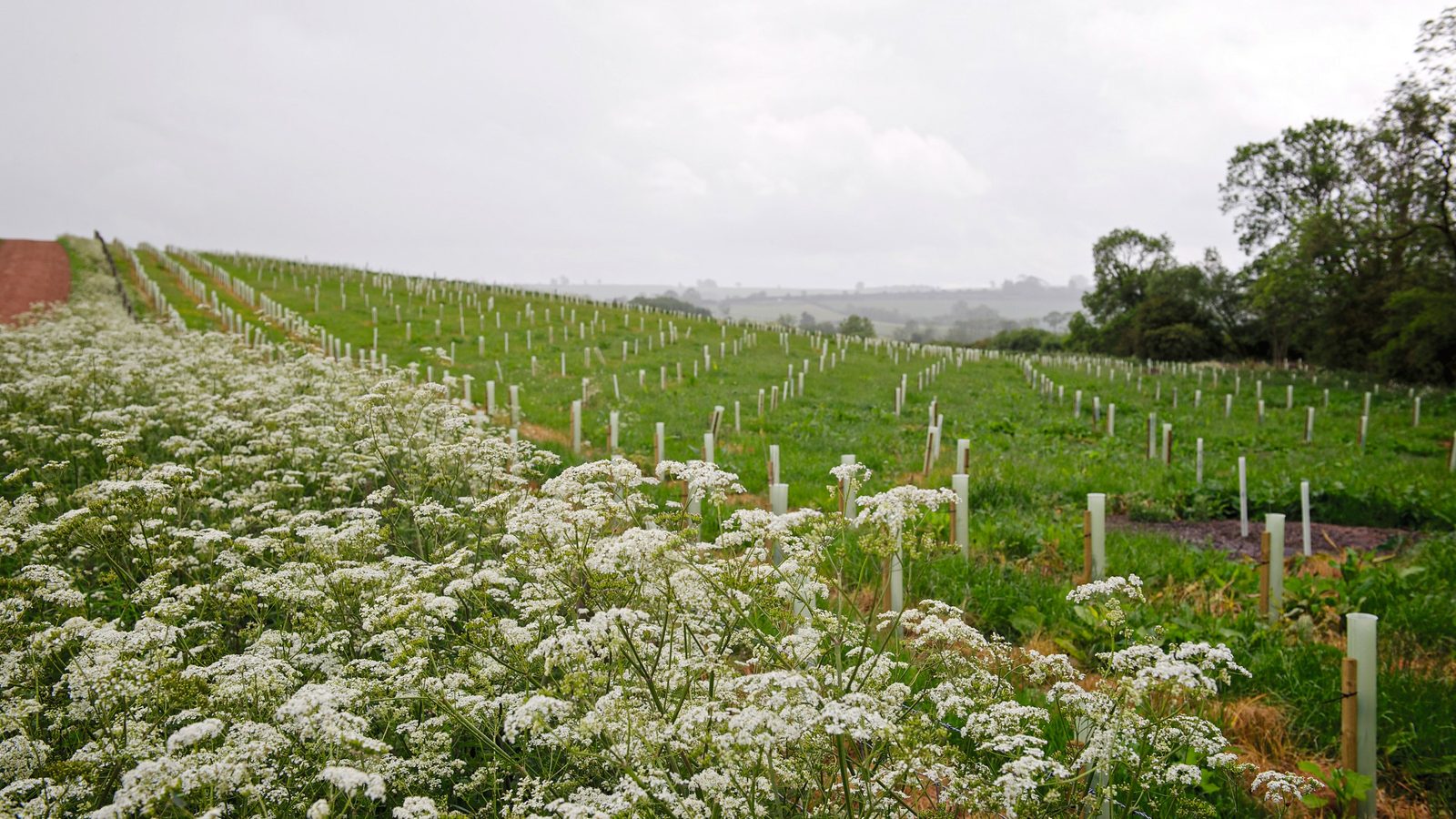

Effective countryside management has never been more important. Today’s farmers, gamekeepers, land managers and conservation professionals face the challenge of balancing productive land use with biodiversity enhancement, species conservation and ever-evolving regulatory requirements. Access to practical, science-led advice is therefore essential, and this is where the GWCT continues to play a vital role.
For decades, the GWCT has built a reputation as one of the UK’s leading wildlife research organisations, conducting pioneering studies into game and wildlife management, habitat creation and sustainable farming practices. However, research alone does not deliver change.
A key part of the trust’s mission is ensuring that scientific evidence is translated into practical action on the ground. Through its Advisory Services team, the GWCT delivers a diverse portfolio of courses and training opportunities designed to help those managing Britain’s countryside make informed, effective decisions.
One of the greatest strengths of the GWCT training programme is the breadth of subjects available. Whether participants are interested in predator control, sustainable game management, habitat restoration or wider biodiversity conservation, there is a course tailored to their needs.
Training can be delivered through structured courses, practical demonstrations or bespoke advisory visits, ensuring participants receive information that is directly relevant to their own circumstances and objectives.
What predator control courses does the GWCT run?
Predator management remains a cornerstone of the GWCT’s advisory offering. Courses are available covering fox control, fox control at night, corvid management, tunnel trapping, mink control and rat control via rodenticides. Importantly, these training opportunities extend beyond simply teaching practical techniques.
Participants gain a clear understanding of the legal framework governing wildlife management, alongside best-practice guidance and animal welfare considerations. This balanced approach ensures that management activities are carried out responsibly, effectively and in accordance with current legislation.
Game management courses for new and experienced keepers
For many attendees, game management courses provide an equally valuable opportunity to develop their skills and knowledge. The GWCT supports both experienced gamekeepers and those entering the profession through programmes such as the Part-time Keepers course and the BASIS Certificate in Game Management.
These courses introduce participants to the principles of sustainable game management while demonstrating the wider environmental benefits that well-managed shoots can deliver.
Sustainable land management training at the Allerton Project
Conservation and sustainable land management training form another important element of the GWCT’s educational programme. Courses such as the Principles of Sustainable Land Management, the Certificate in Sustainable Land Management and the Introduction to Agriculture course provide participants with a comprehensive understanding of modern countryside management challenges.
Many of these courses are delivered at the Allerton Project, the GWCT’s nationally recognised demonstration farm. Here, delegates can see first-hand how research findings are applied in practice, combining classroom learning with real-world field examples that can be transferred directly to farms, estates and conservation projects.
Why practical application sets the training apart
What sets GWCT advisory training apart is its strong focus on practical application. Every course is designed with land managers in mind, ensuring that attendees leave with knowledge and techniques that can be implemented immediately.
Feedback from previous attendees consistently highlights the value of this approach. Many report returning to their own farms, estates or shoots with a clearer understanding of how management decisions can support both economic objectives and conservation outcomes.
As the rural sector adapts to changing environmental priorities and policy frameworks, the need for reliable, evidence-based guidance has never been greater. Whether the objective is improving biodiversity, restoring habitats, managing predator populations, supporting game species or meeting legislative requirements, GWCT training provides the opportunity to learn from experts at the forefront of countryside management.
For anyone committed to creating a sustainable and wildlife-rich landscape, investing in GWCT training is an investment in professional development and the long-term future of Britain’s countryside.
Find out more about GWCT courses
Details of the courses are on the GWCT website, or contact the Advisory Services team by email at advisory@gwct.org.uk.
Alex Keeble is the GWCT’s game and wildlife adviser for Central England. Alex grew up in Suffolk, with a passion for farming, fieldsports and wildlife conservation. He previously spent 10 years as a full-time gamekeeper and deer manager on estates in the Cotswolds and the Chilterns.
Frequently asked questions
What is the Allerton Project?
The Allerton Project is the GWCT’s demonstration farm, where many of its land management courses are delivered so that delegates can see research applied in the field.
Does the GWCT run courses for people new to gamekeeping?
Yes. Its Part-time Keepers course and the BASIS Certificate in Game Management serve both experienced keepers and those entering the profession.

About the author
Alex Keeble
Suffolk-raised Alex Keeble began gamekeeping at 17, later working full-time on estates in the Cotswolds and Chilterns. A conservation and environment graduate, he joined the GWCT in 2021 as Central England Game and Wildlife Advisor, managing Loddington and advising on habitat and biodiversity. He's also a freelance writer and columnist.
 Closes 15 JanuaryWorth £129.90Win a pair of tickets to the British Shooting Show 2027Enter nowFree to enter
Related Articles

Sporting Life: how a pioneering 1970s Sparsholt course opened a new route into keepering
Many keepers once followed their fathers into the role, but a pioneering 1970s college course opened a new route into keepering – and Jeremy Hobson was on its second intake
By Jeremy Hobson | 12 November 2026

Hope on the high ground: walked-up grouse with a 16-year-old assistant keeper
Grouse, spaniels and a 16-year-old assistant keeper: a walked-up day in the Yorkshire Dales leaves one Gun with hope for the future, writes Charles Hartley
By Charles Hartley | 12 November 2026
Get the latest news delivered direct to your door
Subscribe to Shooting Times & Country
Discover the ultimate companion for fieldsports enthusiasts with Shooting Times & Country Magazine, the UK’s leading weekly publication that has been at the forefront of shooting culture since 1882. Subscribers gain access to expert tips, comprehensive gear reviews, seasonal advice and a vibrant community of like-minded shooters.
Save on shop price when you subscribe with weekly issues featuring in-depth articles on gundog training, exclusive member offers and access to the digital back issue library. A Shooting Times & Country subscription is more than a magazine, don’t just read about the countryside; immerse yourself in its most authoritative and engaging publication.

