★ Your magazine. Your say. Complete our reader survey with a chance to win Jack Pyke kit worth £500! ★


Heather Trust seeks £220,000 for four-year heather beetle research
Outbreaks of the beetle can devastate heather across huge tracts of moorland, and the Trust says the evidence needed to understand and manage them is still missing
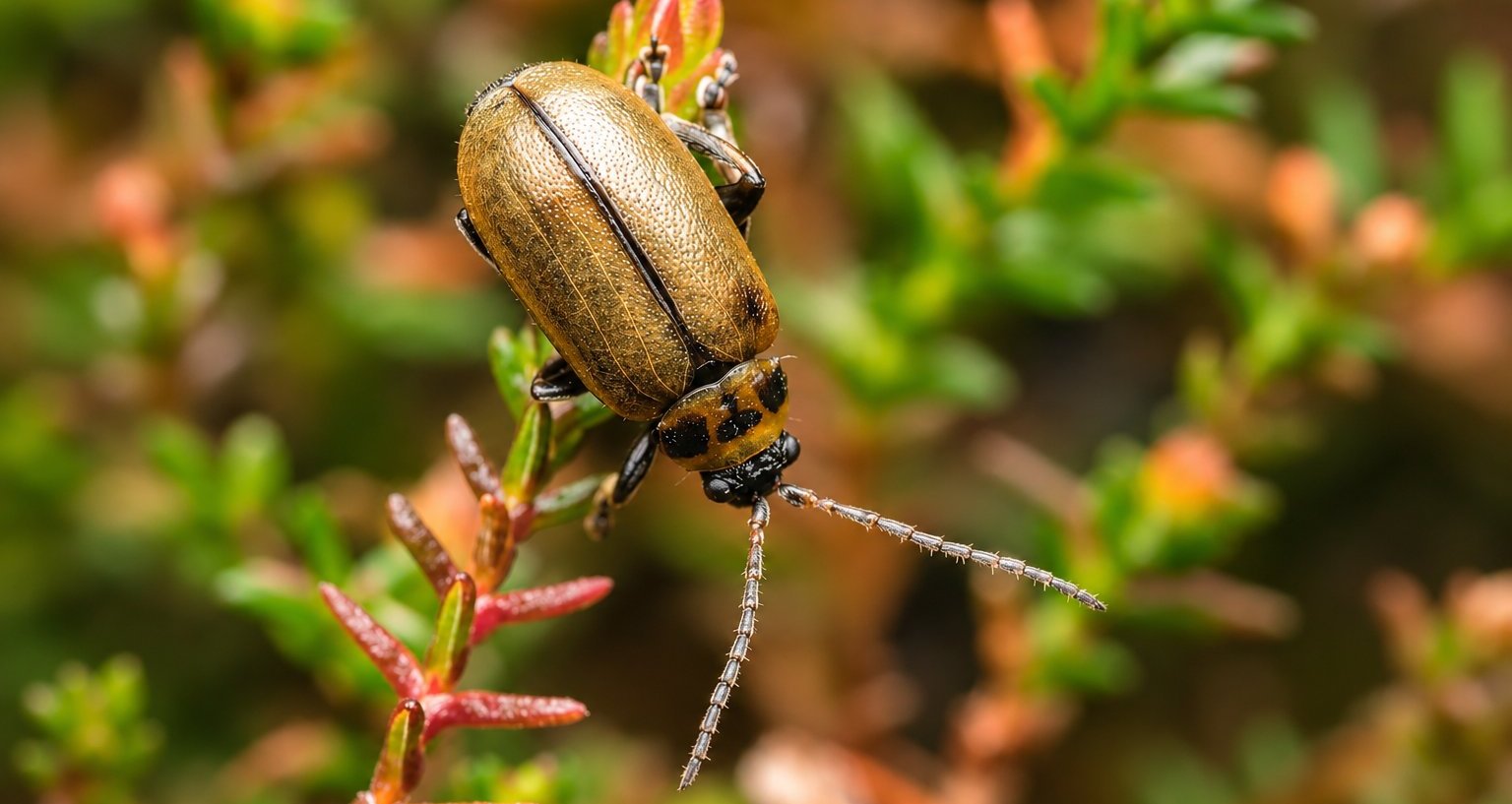

The Heather Trust has launched a £220,000 fundraising drive for a four-year research programme into heather beetle, the moorland insect whose outbreaks can devastate huge tracts of heather. The appeal, announced in the Trust’s October newsletter on Wednesday, 4 November, is run with research partners at the James Hutton Institute.
Why does heather beetle need a research programme?
Heather beetle (Lochmaea suturalis) is widespread in the UK and can cause extensive damage to heather during outbreaks, with effects the Trust describes as devastating for huge tracts of precious heather moorland. Yet the evidence base needed to understand the scale, causes and consequences of those outbreaks remains limited, leaving moor managers without reliable guidance on why they strike where they do or how to respond.
What will the £220,000 fund?
The four-year project will bring together laboratory science, historic datasets, field observations, citizen science and practical land management to establish the evidence needed to understand the beetle and develop practical, sustainable approaches to managing its impacts. The James Hutton Institute brings the laboratory and data science: the Aberdeen and Dundee-based institute works on crops, soils and land use across Scotland and beyond.
The Trust says the work will help answer long-standing questions about the beetle, and the citizen-science and field-observation strands offer the keepers and moor owners who find the damage first a direct way into the research. Anyone able to contribute towards the target is asked to contact the Trust’s director, Katrina Candy, through the Trust’s website.
A survey for those who do the predator control
The same newsletter carries a second call to the uplands: Working for Waders, in partnership with the Trust, has opened a survey of those who practise, or take an interest in, predator management for waders, to uncover who is doing the work, what they do and why, and what is really producing results on the ground. Responses are open until Monday, 16 November, and the findings will inform future studies and support those tackling wader declines across Scotland.
What happens next
Fundraising for the beetle programme is open now, and the research will run for four years as the £220,000 target is met. The Trust’s November is already full: it delivers the Wildfire2026 conference at Headingley in Leeds on 10 and 11 November, and its Annual Review 2026 will publish digitally on its website later in the year. The full newsletter, with the beetle appeal and the survey link, is on the Heather Trust website.
Frequently asked questions
What is heather beetle?
A small moorland insect, Lochmaea suturalis, widespread in the UK, whose population outbreaks can cause extensive damage to heather across large areas of moorland.
What will the Heather Trust’s £220,000 appeal pay for?
A four-year research project with the James Hutton Institute combining laboratory science, historic datasets, field observations, citizen science and practical land management, to understand outbreaks and develop sustainable ways of managing their impacts.
How can keepers take part in the Working for Waders survey?
The short survey on predator management for waders is linked from Working for Waders and the Heather Trust, and is open for responses until 16 November.
 Closes 15 JanuaryWorth £129.90Win a pair of tickets to the British Shooting Show 2027Enter nowFree to enter
Related Articles

Beaver release licensed for Ness catchment despite land use concerns
Up to 15 family groups will be released over three years, with NatureScot promising trapping where beavers settle on prime farmland
By News Desk | 5 November 2026

Hare close season unlikely before 2027 breeding season, ministers say
A written answer of Friday, 30 October says ministers still need a bill to carry the change, pushing any new protection beyond February 2027
By News Desk | 5 November 2026
Get the latest news delivered direct to your door
Subscribe to Shooting Times & Country
Discover the ultimate companion for fieldsports enthusiasts with Shooting Times & Country Magazine, the UK’s leading weekly publication that has been at the forefront of shooting culture since 1882. Subscribers gain access to expert tips, comprehensive gear reviews, seasonal advice and a vibrant community of like-minded shooters.
Save on shop price when you subscribe with weekly issues featuring in-depth articles on gundog training, exclusive member offers and access to the digital back issue library. A Shooting Times & Country subscription is more than a magazine, don’t just read about the countryside; immerse yourself in its most authoritative and engaging publication.

