

Grey squirrel control payments reach £95,965, minister tells MPs
The first published figures for CWS3, the £60-a-hectare Countryside Stewardship option for culling grey squirrels, show £95,965 paid since the first agreement started in March and £755,655 a year committed across the agreements now live
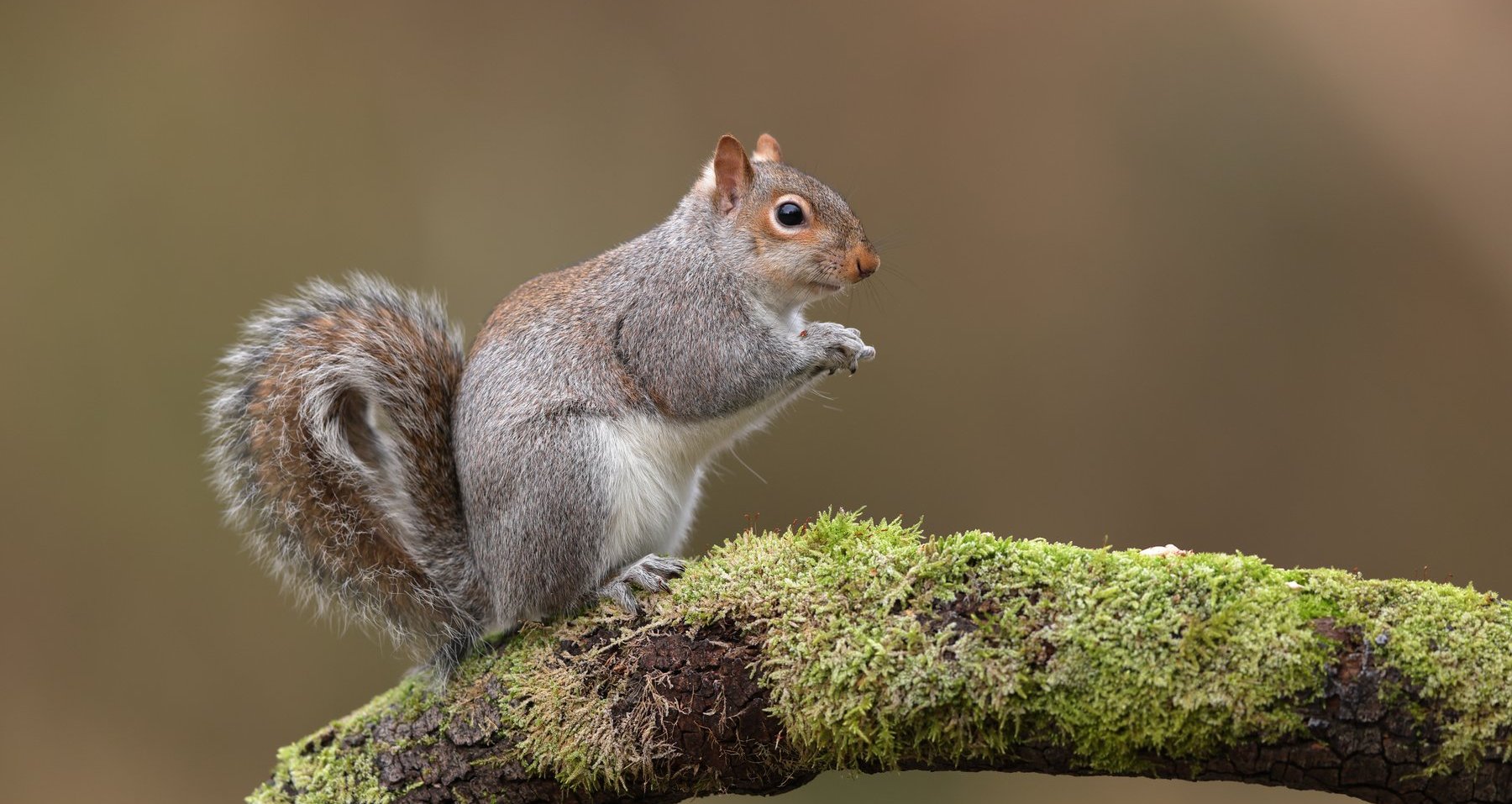

Stephen Morgan, Parliamentary Under-Secretary at the Department for Environment, Food and Rural Affairs (Defra), gave the figures on Friday, 13 November in answer to Gregory Campbell, the Democratic Unionist Party MP for East Londonderry, who had asked how much had been paid in the past two years under “the £60 per hectare scheme to manage and reduce the impact of grey squirrels”. They are the first published totals for CWS3, the Countryside Stewardship Higher Tier option that pays land managers in England to cull greys to a plan.
Why have payments only just begun?
“Countryside Stewardship Higher Tier (CSHT) applications opened in September 2025, with payments beginning from December 2025,” Mr Morgan said. “The first agreement containing option CWS3 (Grey squirrel control and management) did not commence until March 2026. Consequently, agreements that have been live for less than a year have received pro-rated quarterly payments. £95,965 has been paid under CWS3 to date. The total annual value of CWS3 across all currently live agreements is £755,655.”
At the option’s rate of £60 per hectare per year, the £755,655 committed is equivalent to about 12,600 hectares under grey squirrel control agreements. Defra reopened the Higher Tier scheme on 18 September 2025 by invitation only, paying quarterly, which is why the first full year of money for any CWS3 agreement will not have been paid out before March 2027.
What does the CWS3 option ask a keeper to do?
CWS3 pays £60 per hectare per year for 10 years, and its stated aim is to manage and reduce the impact of invasive non-native grey squirrels, so that native reds can increase and so that damage to trees and woodland is cut. To apply, a land manager needs a species management plan agreed with the Forestry Commission, and with Natural England where the land includes habitats other than woodland. Under the agreement they must set up monitoring sites and carry out baseline monitoring in the first year, complete grey squirrel management training where they need it, carry out the level of culling the plan sets, and complete habitat impact assessments in years one, five and 10.
Defra’s guidance on methods is specific. Live-capture traps are used wherever red squirrels or pine martens are present or suspected, with approved spring traps only where both are known to be absent, and every trap checked at least once a day. Shooting counts only at bait stations as part of a programme; incidental shooting does not, drey poking is only to support shooting and never where reds or martens may be present, and shooting at dreys or free shooting of individual animals is described as not suitable. Dispatch is by cranial concussion or airgun. Agreement holders must keep culling records and habitat assessment reports, with photographs on request, for the Rural Payments Agency to inspect. The option can be placed on woodland, scrub, grassland, arable and even residential gardens, and must normally sit on the same land as a habitat creation or management action.
What happens next
Agreements signed since March 2026 will reach their first annual habitat impact assessment from spring 2027, and Defra’s next set of figures will show whether the £755,655 a year grows as more Higher Tier invitations are issued. The written question is UIN 40155 and the full answer is on the UK Parliament website; the CWS3 option page on GOV.UK carries the requirements and the species management plan template.
Frequently asked questions
How much does CWS3 pay for grey squirrel control?
£60 per hectare per year for 10 years under Countryside Stewardship Higher Tier, against a species management plan agreed with the Forestry Commission.
How much has been paid out for grey squirrel control so far?
£95,965 to 13 November 2026, with £755,655 a year committed across the agreements now live, Defra told Parliament.
Can grey squirrels be shot under the CWS3 option?
Yes, at bait stations as part of a planned programme; incidental shooting, free shooting of individuals and shooting at dreys do not count towards the agreement.
 Closes 15 JanuaryWorth £129.90Win a pair of tickets to the British Shooting Show 2027Enter nowFree to enter
Related Articles
Scotland’s first national deer plan due in 2027, minister confirms
The National Deer Management and Venison Plan created by this year’s Natural Environment Act will be published in 2027, and NatureScot will consult on a revised deer code before the end of the year, J...
By News Desk | 17 November 2026
Visitor levy would hit shoot dinner venues, MP warns Commons
Sir Julian Smith told the second reading debate on the Visitor Levy (England) Bill that suppliers to shoots in Skipton and Ripon are already worried by Defra’s game shooting review, and that a tax on...
By News Desk | 17 November 2026
Get the latest news delivered direct to your door
Subscribe to Shooting Times & Country
Discover the ultimate companion for fieldsports enthusiasts with Shooting Times & Country Magazine, the UK’s leading weekly publication that has been at the forefront of shooting culture since 1882. Subscribers gain access to expert tips, comprehensive gear reviews, seasonal advice and a vibrant community of like-minded shooters.
Save on shop price when you subscribe with weekly issues featuring in-depth articles on gundog training, exclusive member offers and access to the digital back issue library. A Shooting Times & Country subscription is more than a magazine, don’t just read about the countryside; immerse yourself in its most authoritative and engaging publication.

