

Badger vaccination expands to Staffordshire, Oxfordshire and Devon
The Government’s Badger Vaccination Field Force is recruiting farms in six areas over the winter, with jabs from May 2027, as England’s first year without a cull draws to a close
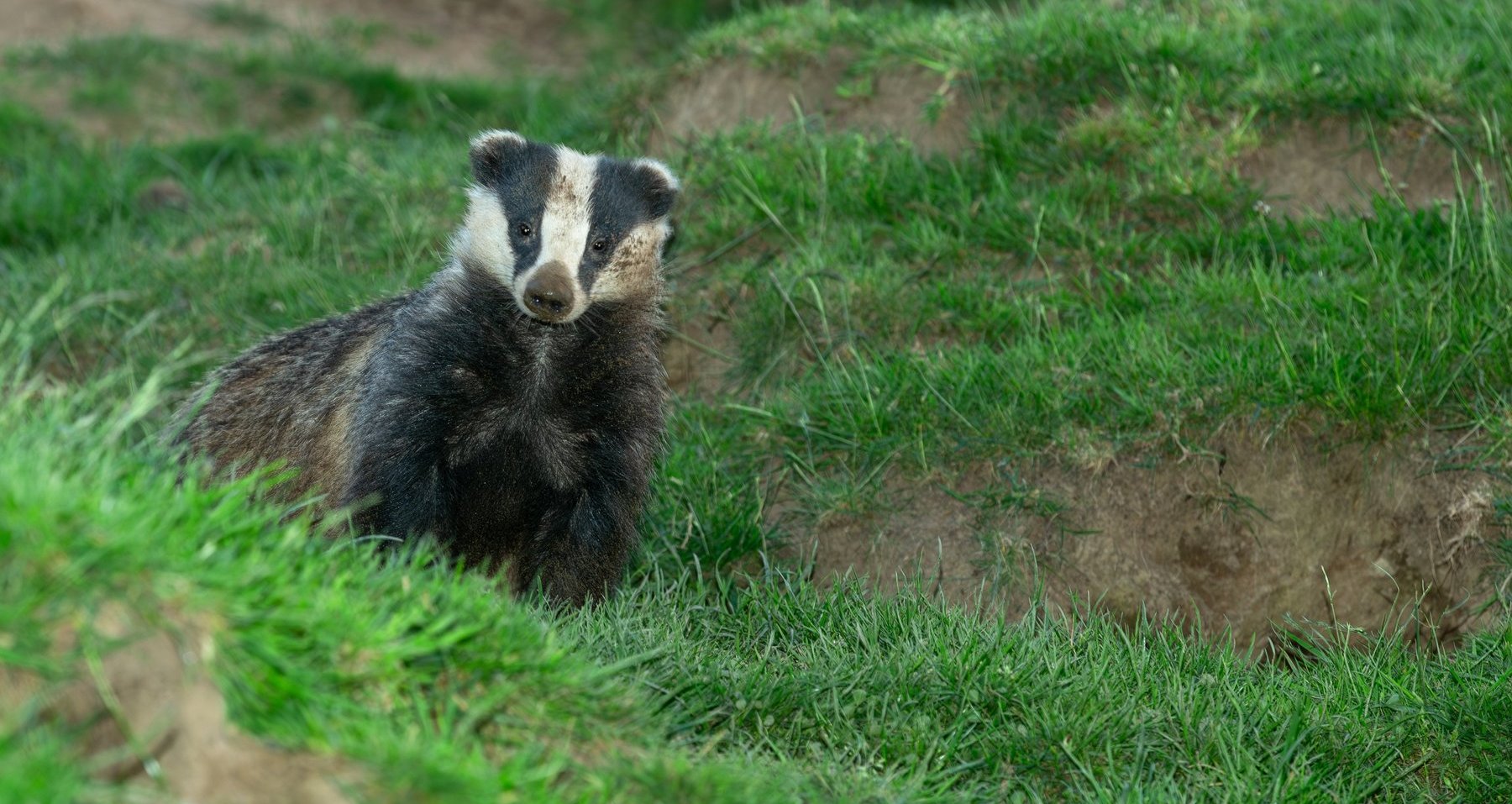

The Government-funded Badger Vaccination Field Force will move into parts of Staffordshire, north Oxfordshire and Devon in 2027, its second year, and aims to raise its coverage from 30% to 70% of the land in its three first-year areas of south Oxfordshire, north Worcestershire and north Shropshire. Farms in all six areas are being recruited over the winter, with vaccination to begin when the season opens in May 2027, project manager Dr Lindsay Heasman told Farmers Weekly.
Where will the field force be vaccinating in 2027?
The force, newly contracted by the Department for Environment, Food and Rural Affairs (Defra), began work in 2026 with three schemes in the high-risk area, in north Shropshire, north Worcestershire and south Oxfordshire. Vaccination continues in those areas next year while the new ground in Staffordshire, north Oxfordshire and Devon is added, and Defra has said further areas are planned for 2027 and 2028.
“We are looking to sign up new farms in all six areas this winter with a view to beginning vaccination when the season opens in May 2027,” Dr Heasman said. She said the first year had seen strong uptake from farmers, landowners and veterinary practices, which had “demonstrated a willingness among farming communities to get involved and look at all options to help tackle the disease”.
Kate Bowen of Farmcare Solutions, the project’s national co-ordinator and delivery lead, has asked farmers, landowners and anyone else interested to register their interest through the field force’s own website. The expansion, the project says, is also a chance to assess how vaccination can be delivered across different farming communities and landscapes.
The strategy that ended the cull
The expansion follows Defra’s formal adoption on Thursday, 5 November of the refreshed bovine TB control strategy for England, co-designed with more than 100 farmers, vets, scientists and officials and aimed at making England officially TB-free by 2038. No badgers were culled for the disease in 2026, the first year in more than a decade without a cull.
Biosecurity minister Baroness Hayman of Ullock said: “Our comprehensive strategy will ensure the continuation of the end to badger culling, and prevent the spread of this horrific disease.” Alongside badger vaccination, the strategy expands Government-funded mandatory blood testing of cattle, aims to deploy a cattle vaccine by 2030 with its companion test, and starts a Government-funded scheme in November 2026 to collect and test badgers found dead in five high-risk counties.
The figures behind the strategy
Defra says new herd breakdowns in England fell by a fifth over the past 12 months, and the share of herds under TB restriction stood at 3.4% at the end of June 2026 against 4.2% a year earlier. Cattle slaughtered for TB control in the 12 months to June 2026 numbered 20,244, down 4% from 21,126 and well below the peak of 34,518 in the 12 months to April 2018.
The National Farmers’ Union (NFU) has welcomed TB at its lowest level in England for more than 20 years but says that was achieved by measures that included wildlife control, and its deputy president Paul Tompkins warned that “optimism alone will not see us through this critical stage of TB eradication”. Professor James Wood of the University of Cambridge, who helped develop the strategy, said: “We’ve got a long way to go still,” pointing to the gap between the end of culling and the arrival of a cattle vaccine.
What does it mean for farmers who shoot and land managers?
For a farmer or landowner with ground in one of the six areas, the practical change is that vaccination is now the only measure on offer against infection in badgers, and the field force will be asking for access across whole holdings from May 2027. Its target of 70% land coverage in the first three areas depends on neighbours signing up together, so a shoot or estate that runs across several farms is exactly the block the recruiters will be looking for.
Gamekeepers and stalkers are also the people most likely to come across a dead badger on a verge or a ride, and the found-dead testing scheme is how Defra now intends to measure infection in wildlife without a cull. Defra has not yet named the five high-risk counties where that scheme begins.
What happens next
Recruitment of farms in all six areas runs through the winter and vaccination starts in May 2027, when the badger vaccination season opens. The found-dead badger scheme begins in November 2026, a new industry and government board replacing the Bovine TB Partnership for England is expected to be set up in 2027, and the first delivery plan under the strategy is due in late spring 2027, followed by rolling three to five-year plans. Farmers and landowners in the six areas can register their interest with the field force now.
Frequently asked questions
Where is the Badger Vaccination Field Force working in 2027?
In six areas: the three first-year areas of south Oxfordshire, north Worcestershire and north Shropshire, where it aims to cover 70% of the land, and new ground in parts of Staffordshire, north Oxfordshire and Devon.
When does badger vaccination start in the new areas?
Farms are being recruited over the winter of 2026 to 2027 and vaccination begins when the season opens in May 2027.
Is badger culling still happening in England?
No. No badgers were culled for bovine TB in 2026, the first year without a cull in more than a decade, and the strategy adopted on 5 November 2026 continues the end of culling in favour of vaccination, cattle testing and surveillance.
How do farmers join the badger vaccination scheme?
Farmers, landowners and others in the six areas register their interest on the Badger Vaccination Field Force website; Farmcare Solutions is the project’s national co-ordinator and delivery lead.
 Closes 15 JanuaryWorth £129.90Win a pair of tickets to the British Shooting Show 2027Enter nowFree to enter
Related Articles
BASC Council elections 2027: nominations open for two seats
The association wants members with the judgement to shape its strategy and hold it to account, for a five-year term, around eight meetings a year and a £350 attendance allowance. What the job involves...
By News Desk | 12 November 2026
Deer collision warnings run on eight Highland trunk roads in November
NatureScot and Transport Scotland have put dawn and dusk alerts on the A9, A82, A96 and five other trunk roads for the rest of the month, with mobile signs at Lochend on Loch Ness, where collisions wi...
By News Desk | 12 November 2026
Get the latest news delivered direct to your door
Subscribe to Shooting Times & Country
Discover the ultimate companion for fieldsports enthusiasts with Shooting Times & Country Magazine, the UK’s leading weekly publication that has been at the forefront of shooting culture since 1882. Subscribers gain access to expert tips, comprehensive gear reviews, seasonal advice and a vibrant community of like-minded shooters.
Save on shop price when you subscribe with weekly issues featuring in-depth articles on gundog training, exclusive member offers and access to the digital back issue library. A Shooting Times & Country subscription is more than a magazine, don’t just read about the countryside; immerse yourself in its most authoritative and engaging publication.

