★ Your magazine. Your say. Complete our reader survey with a chance to win Jack Pyke kit worth £500! ★


Grouse season 2026: signs point to a far better Twelfth
After two seasons wrecked by weather and heather beetle, the Countryside Alliance says upland communities can finally look forward to the Twelfth
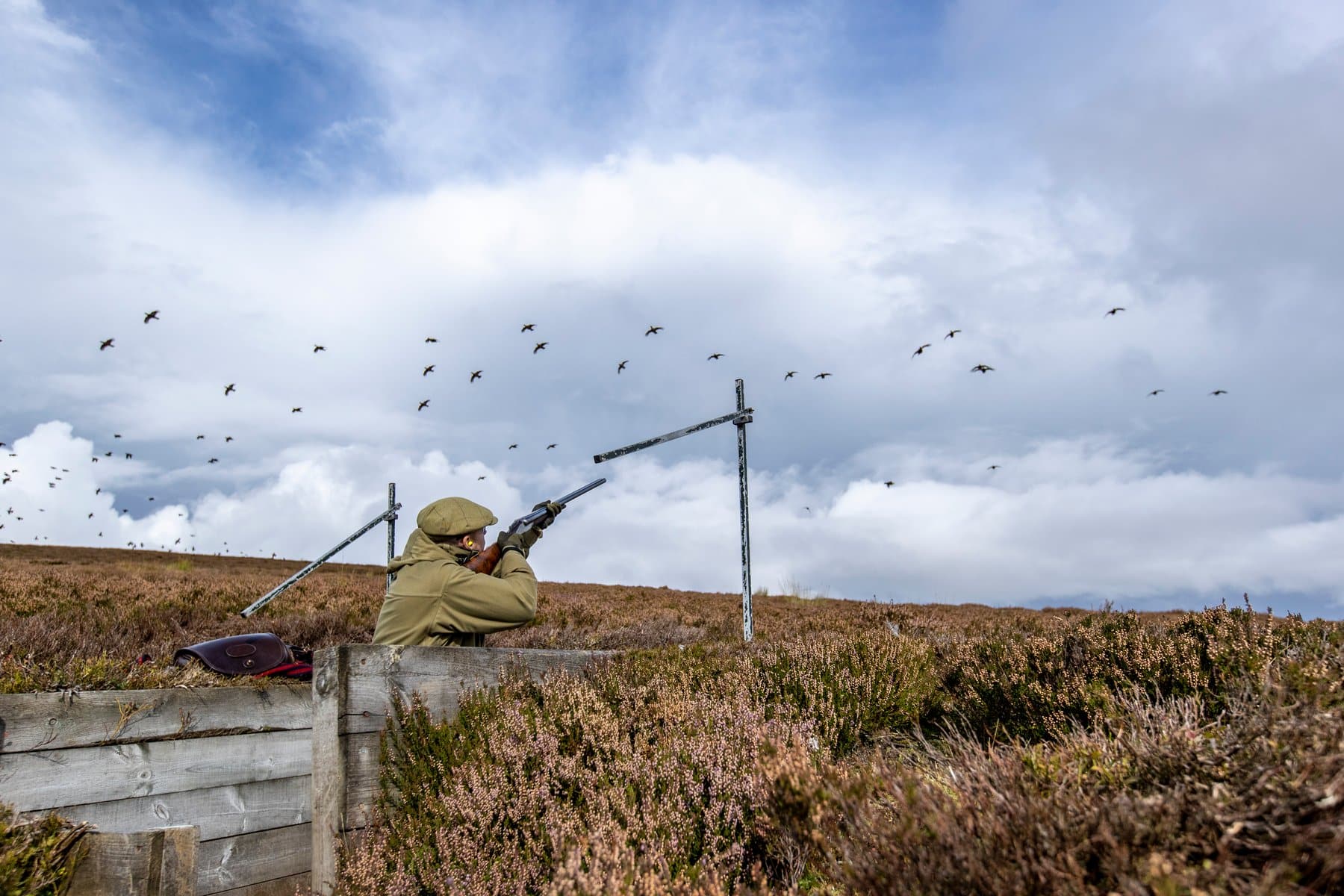

The 2026 grouse season is shaping up to be the best for three years, with the Countryside Alliance saying all the signs point to a much improved season ahead of the Twelfth on 12 August. Its director of shooting, Adrian Blackmore, wrote on 6 August that whole upland communities, not just moor owners and Guns, are eager for the recovery to hold.
Why were the last two grouse seasons so poor?
A cold, wet April and May in 2024 saw nests fail across the moors, and although grouse will lay a second brood if the first is lost, many of those failed too as the bad weather ran into June and July. The chicks that did hatch found few of the insects they needed, and vast areas of moorland were left without a shootable surplus, forcing numerous estates to cancel most or all of their days.
Last year was always going to be about rebuilding stocks, and a good breeding season was undone by widespread outbreaks of heather beetle, which thrived in the hot, dry conditions and stripped great swathes of moorland of food and shelter. Moors already facing a lean season lost beats that could be shot, and more days were cancelled.
Who shares in a good grouse season?
The alliance’s point is that grouse shooting is not just about individuals. On a shoot day it is not unusual to find 50 or so beaters, flankers, loaders and pickers-up with their dogs out on a moor, and because neighbouring moors fix their dates to avoid clashes, casual staff can be out up to six days a week at the height of the season. Two lean years have been sorely felt by those households and by the upland businesses that rely on shoot income, which also funds year-round moorland management whether or not a shot is fired.
Why can grouse not be reared and released?
Red grouse are wholly wild and cannot be bred and released from captivity, which is why their management matters so much. Populations fluctuate enormously from year to year and moor to moor with weather, habitat, predation and disease, so there can never be certainty far in advance that shooting will take place. Mr Blackmore wrote that the Twelfth is “the culmination of all the work that has been undertaken by gamekeepers throughout the year, in all conditions, to help preserve and improve this unique and internationally important habitat”.
What happens next?
The season opens on Wednesday 12 August and the first results will show quickly whether the signs are borne out. “All the signs are for a much improved season this year,” Mr Blackmore wrote, and given its importance to the uplands, where shooting can be the major economic driver, he hopes it proves true for all involved. His article can be read in full on the Countryside Alliance website.
Frequently asked questions
When does the grouse season open?
The red grouse season opens on 12 August, the Glorious Twelfth, fixed in law since the Game Act 1831.
Why do grouse seasons vary so much from year to year?
Red grouse are wholly wild and cannot be reared and released, so numbers rise and fall with weather, habitat, predation and disease, and a season’s prospects can differ from moor to moor.
What does a good grouse season mean for upland communities?
A shoot day can employ 50 or so casual staff as beaters, flankers, loaders and pickers-up, some working up to six days a week at the season’s height, and upland businesses share in the income a season brings.
Related Articles
Highlight personal benefits for Defra: what shooting gives you is evidence
Conor O'Gorman urges the shooting community to submit personal evidence for Defra's game shooting review before the 1 November deadline, and shares the stories already coming in
By Conor O'Gorman | 22 September 2026

Saving ground-nesting birds should be a national priority, poll finds
More than 60% of British adults say preventing the extinction of curlew and lapwing should be a high national priority, but new polling for Ground Cry also finds most people cannot name the predators ...
By Shooting Times | 22 September 2026
Get the latest news delivered direct to your door
Subscribe to Shooting Times & Country
Discover the ultimate companion for fieldsports enthusiasts with Shooting Times & Country Magazine, the UK’s leading weekly publication that has been at the forefront of shooting culture since 1882. Subscribers gain access to expert tips, comprehensive gear reviews, seasonal advice and a vibrant community of like-minded shooters.
Save on shop price when you subscribe with weekly issues featuring in-depth articles on gundog training, exclusive member offers and access to the digital back issue library. A Shooting Times & Country subscription is more than a magazine, don’t just read about the countryside; immerse yourself in its most authoritative and engaging publication.