

GWCT: ‘time is ticking’ on wildfire action a month after the summit
The trust’s England policy officer says the promised land management capital offer has no opening date or budget, a review of the burning regulations has been refused and the first fires of 2026 came in the first week of March
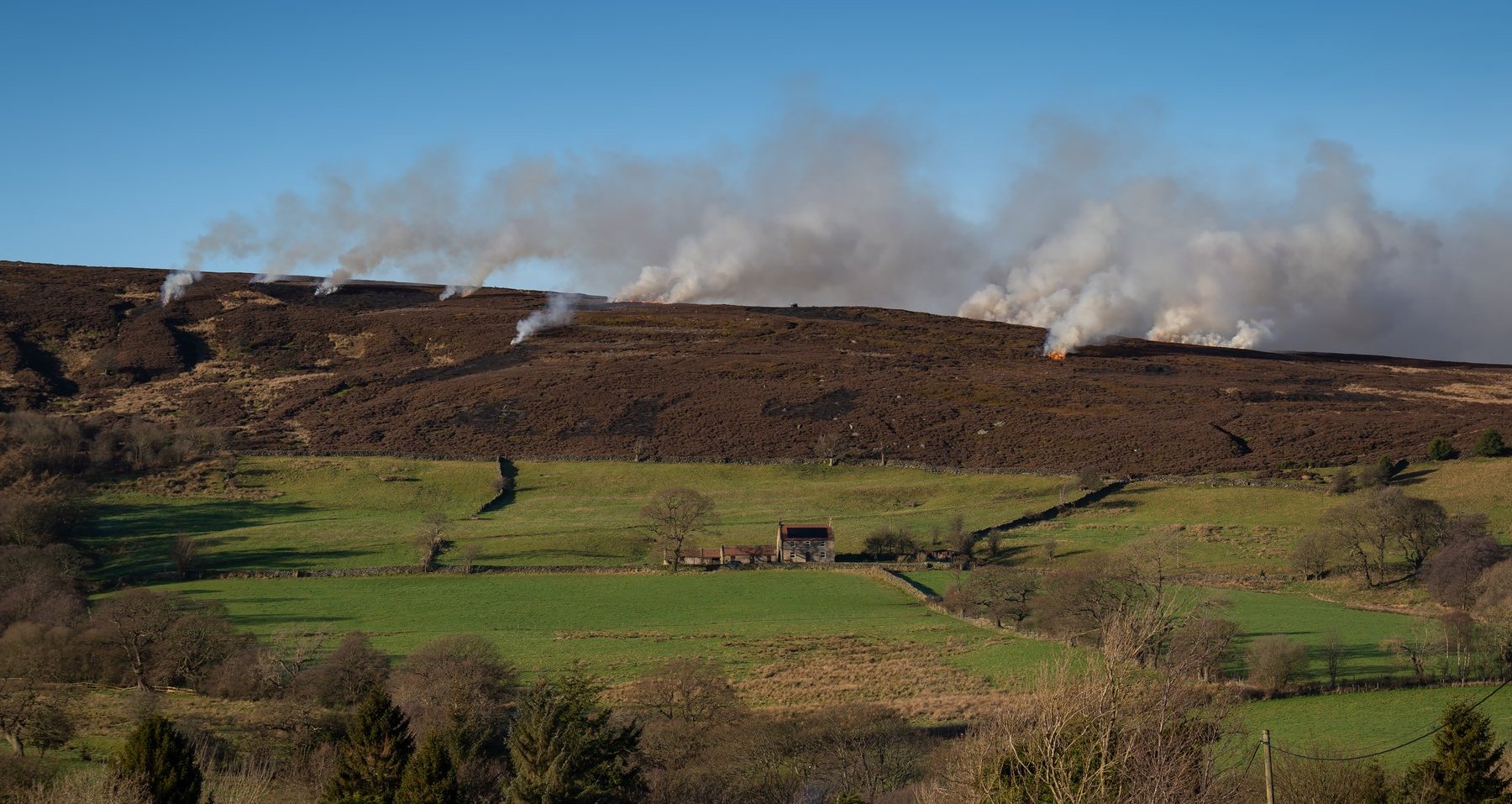

The Game & Wildlife Conservation Trust (GWCT) says that a month after the Government’s wildfire summit of 23 October nothing has yet reached the ground, with the promised Environmental Land Management capital offer still without an opening date or a budget and calls for a review of the 2025 burning regulations refused. The warning, from Henrietta Appleton, the trust’s policy officer for England, came on 20 November as the Ministry of Housing, Communities and Local Government told MPs that the detail of a nationally coordinated aerial firefighting capability “is currently being worked through by officials”.
What has happened since the wildfire summit?
Ms Appleton counts the political attention: she writes that wildfire has drawn 96 references in the Commons since 1 September, against 22 in the same period of 2025, with the summit, a ministerial statement to both Houses on 26 October and the Environment, Food and Rural Affairs (EFRA) Committee’s report of 21 October behind them. The UK Wildfire Conference at Headingley on 10 and 11 November was opened by the fire minister, Baroness Blake, who said: “The immediate priority is turning the commitments announced at the Summit into tangible progress,” to be made “ahead of the next wildfire season”.
The weather is not waiting. “The Met Office says we need 120% of average rainfall between September and April for UK areas to come out of drought,” Ms Appleton writes, and “England did not receive enough in September (in fact only 65% of average)”. In 2026 the first fires came on 4 March at Marsden Moor, 23 March at Stiperstones and 28 March at Sandford Heath, and she notes a forecast that 2027 will be the hottest year on record on the strongest El Niño on record, bringing longer spells of fire-supporting weather.
Of the money announced so far she writes: “Other measures such as the additional £25m for peatland restoration will not address the risk in 2027.”
The four barriers the GWCT wants lifted
The blog asks for a single ministerial owner for wildfire, which sits between the housing department and the Department for Environment, Food and Rural Affairs (Defra): “Without clear ministerial responsibility for wildfire and a sense of urgency to introduce the necessary policy measures,” she writes, “the lack of political ownership and a robust governance framework are barriers to effective delivery.”
It asks for the updated Environmental Land Management capital offer, which the summit promised for fire breaks, fuel management, grazing and scrub removal, to open now, noting that it “has no opening date or budget”. It says the need for Natural England consent before such work on protected sites “creates a statutory duty barrier that has not yet been addressed”. And on calls for a review of the Heather and Grass etc. Burning (England) Regulations 2025, it records that “government has refused to consider this”.
“Action is only possible if fundamental barriers are lifted and actions are backed by funding now,” Ms Appleton writes. Her fear is that “the ‘easy wins’ of more money for the FRS and the banning of disposable BBQs will be the only tangible outcomes”.
Will aerial firefighting be ready for 2027?
Ben Obese-Jecty, the Conservative MP for Huntingdon, asked the housing department in October for “the full scope of the procurement plan for commissioning firefighting planes to tackle wildfires”. The answer from Florence Eshalomi, published on 19 November, said: “The Government announced at the recent Wildfire Summit that it will establish a nationally coordinated aerial firefighting capability. This will be delivered in collaboration with the department, the Ministry of Defence and the sector. The detail of how this will be delivered is currently being worked through by officials.”
On the same day Defra declined to put a cost on either the land management actions it is funding or the vegetation management land managers carried out before the 2025 regulations, telling Sir Alec Shelbrooke MP: “It is for individual landowners to decide how to manage their land in accordance with the regulations.”
At Headingley, Nick Allenby, a station manager with North Yorkshire Fire and Rescue Service, said crews could not have managed the Fylingdales fire without farmers, landowners and volunteers, and that the service has since arranged with water suppliers to get large tankers to remote incidents more quickly, according to the Regional Moorland Groups’ account of the conference. The National Gamekeepers’ Organisation (NGO) presented a wildfire risk index built from the observations of people working on the ground, and Harriet Ranson, the Country Land and Business Association’s (CLA) director north, argued afterwards in The Yorkshire Post that spending on firefighting must be matched by prevention: ranger patrols, rewetting, grazing, cutting and prescribed burning where appropriate.
What happens next
The Government has set no date for the Environmental Land Management capital offer or for the aerial capability; Baroness Blake’s “next wildfire season” begins, on this year’s evidence, in early March. A Westminster Hall debate on government support for upland farming, expected on Tuesday, 24 November, had not appeared on the parliamentary calendar at the time of writing, and Defra answers oral questions on Thursday, 3 December. Ms Appleton’s full blog can be read on the GWCT website.
Frequently asked questions
What did the Government promise at the wildfire summit?
Among the commitments were an updated Environmental Land Management capital offer for fire breaks, fuel management, grazing and scrub removal, extra money for peatland restoration and a nationally coordinated aerial firefighting capability. The GWCT says the capital offer has no opening date or budget and the aerial detail is still being worked through.
Why does the GWCT say 2027 could be worse?
Because the Met Office says 120% of average rainfall is needed between September and April to end the drought, England had only 65% of average in September, and 2027 is forecast to be the hottest year on record.
Who is responsible for wildfire policy in England?
Responsibility is split between the Ministry of Housing, Communities and Local Government, which covers fire and rescue, and Defra, which covers land management and the burning regulations. The GWCT wants a single ministerial owner.
 Closes 15 JanuaryWorth £129.90Win a pair of tickets to the British Shooting Show 2027Enter nowFree to enter
Related Articles
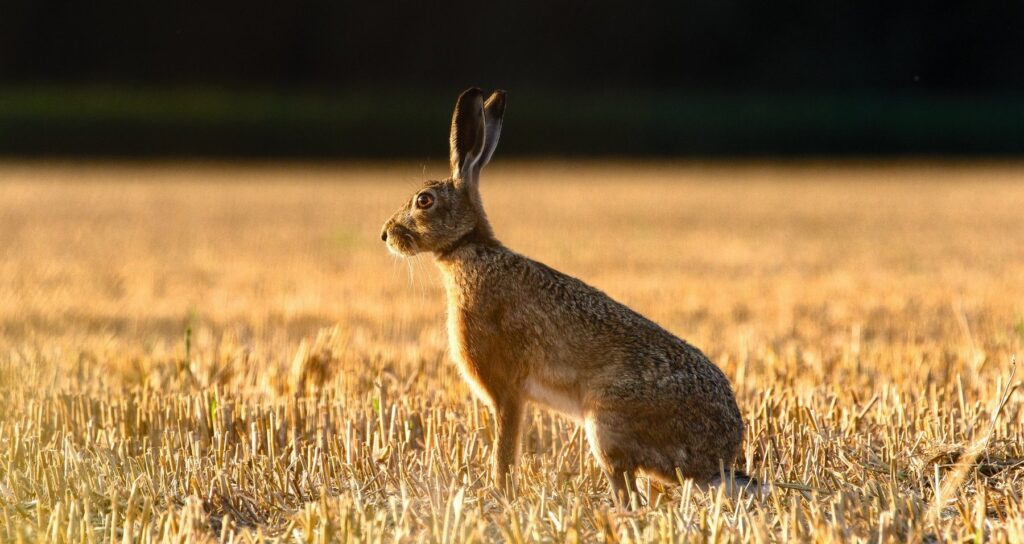
Hare close season: Defra rules out a call for evidence in England
A Lords written answer says ministers will not open a formal call for evidence on a statutory close season, three weeks after Defra told MPs no change was likely before 2027
By News Desk | 24 November 2026

Scotland has no mountain hare count since 2018, minister admits
Five years after full protection, the only national estimate is still the 2018 figure of 132,000 with a range of 79,500 to 516,000, Jim Fairlie has told the Scottish Parliament, while licensed culls h...
By News Desk | 24 November 2026
Get the latest news delivered direct to your door
Subscribe to Shooting Times & Country
Discover the ultimate companion for fieldsports enthusiasts with Shooting Times & Country Magazine, the UK’s leading weekly publication that has been at the forefront of shooting culture since 1882. Subscribers gain access to expert tips, comprehensive gear reviews, seasonal advice and a vibrant community of like-minded shooters.
Save on shop price when you subscribe with weekly issues featuring in-depth articles on gundog training, exclusive member offers and access to the digital back issue library. A Shooting Times & Country subscription is more than a magazine, don’t just read about the countryside; immerse yourself in its most authoritative and engaging publication.