

BASC calls for Scottish Outdoor Access Code review after survey
Nearly 500 gamekeepers, stalkers and wildfowlers told BASC that walkers ignoring signs, loose dogs and dawn visitors are disrupting deer and game management, and two thirds rated access authorities ineffective
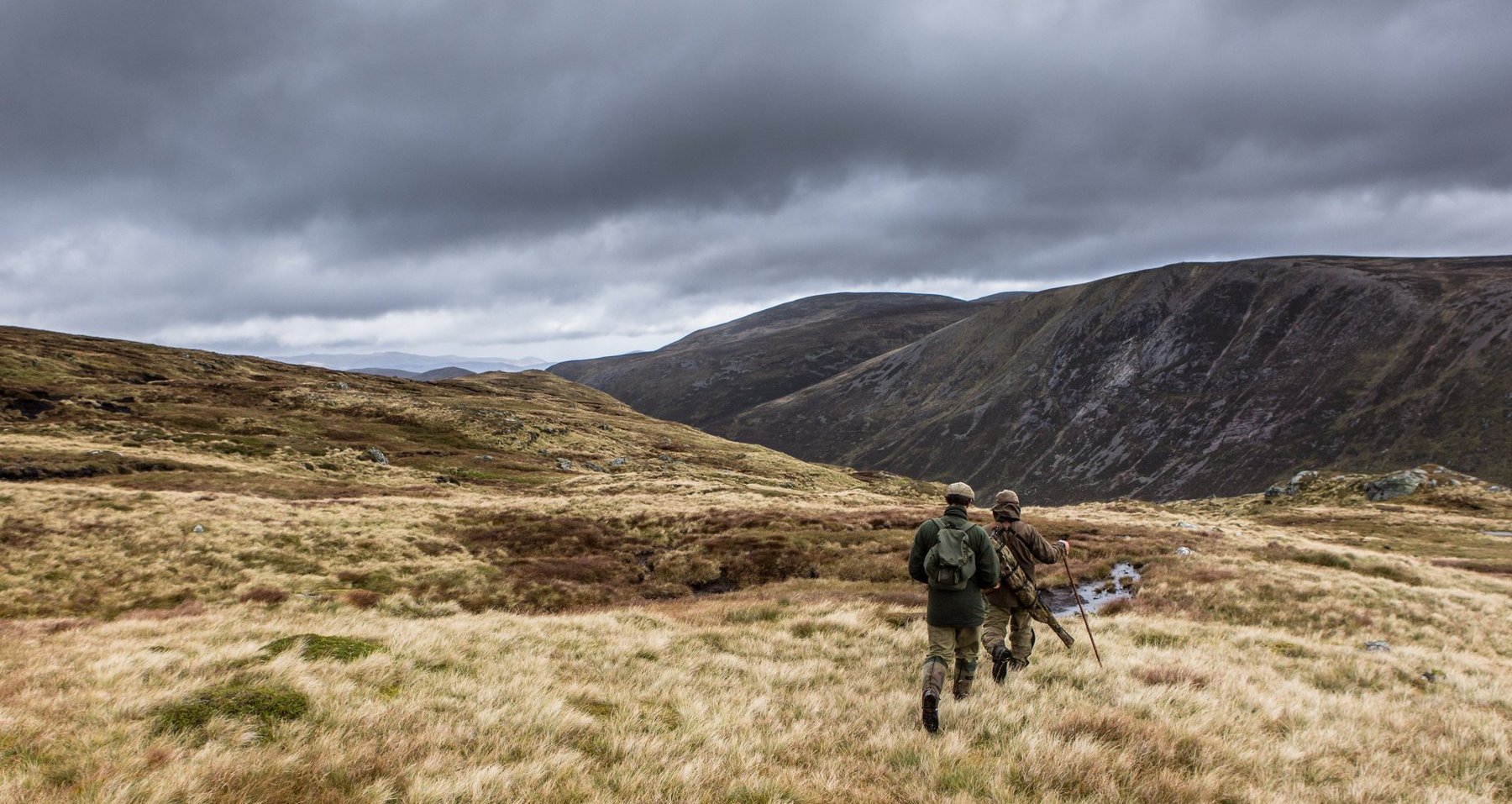

BASC is calling for a review of the Scottish Outdoor Access Code after a survey of 468 of its Scottish members found that most believe public access has grown in the past five years and that the system meant to keep it responsible is working poorly. The findings, released on 10 November, will form the association’s evidence to the Scottish Parliament’s Rural Affairs and Islands Committee, which is examining how Scotland’s access rights are working more than 20 years after the code was approved.
What did BASC’s members report?
Of the 468 respondents, who ranged from gamekeepers to deer stalkers and wildfowlers, 62% said the level of public access had increased over the previous five years, a shift BASC dates to the Covid-19 pandemic. Uncontrolled dogs, litter and disturbance to livestock and wildlife were the most frequently reported problems. In all, 213 respondents named wildlife and deer disturbance as a problem linked to irresponsible access, 170 named gamebird disturbance and 160 named access during land management operations.
More respondents thought the access system was working poorly than well. Some 52% considered the code ineffective at promoting responsible access, and 67% considered the access authorities, the councils and national park authorities that uphold access rights, to be ineffective.
Why deer managers are the sharpest critics
Many respondents cited clear signage being ignored during periods of management, leaving stalkers and deer managers struggling to meet annual cull targets. Lowland stalkers in particular reported walkers unexpectedly entering stalking ground at dawn and dusk, disturbing deer and undermining planned stalking. Gamekeepers highlighted dogs off the lead disturbing ground-nesting birds on farmland and grouse moors.
Wildfowlers told a different story. They said the code addresses their access needs, particularly where foreshore access is required, but also cited paddleboarders and wild swimmers hindering their sport.
What BASC Scotland is asking for
BASC Scotland wants a review of the code alongside a renewed effort to educate the public about what it actually says, with greater emphasis on communication, improved support and accountability, effective enforcement and more recognition of the practical difficulties facing land managers.
Peter Clark, director of BASC Scotland, said: “Scotland’s landscapes are a working environment as well as a place for recreation. Those involved in deer and game management undertake important work that contributes to wildlife management, habitat conservation and the wider rural economy.” He added: “Deer or game management cannot simply be put on hold because people are accessing the countryside. It requires careful planning and, at times, suitable conditions to ensure that operations can be carried out safely and effectively.”
Mr Clark said better education, improved communication and a more practical approach to managing access conflicts would benefit everyone: “Those working to manage Scotland’s countryside should not be placed in a position where essential activities are compromised or public safety is put at risk.”
What happens next
The committee’s call for views on the outdoor access system closes on 23 November, according to the Countryside Alliance, whose Scottish arm has already asked for the code to cover drones, e-bikes, wildfire risk and the recovery of a legally shot deer that crosses a boundary and dies on neighbouring land. BASC’s survey will feed into its own submission, and the committee is expected to take oral evidence before reporting to Parliament next year. Access rights themselves, created by the Land Reform (Scotland) Act 2003, are not under review; what is at stake is the code that defines responsible behaviour and how it is enforced.
Frequently asked questions
What is the Scottish Outdoor Access Code?
It is the official guidance on how the right of responsible access to most land and inland water in Scotland, created by the Land Reform (Scotland) Act 2003, should be exercised by the public and managed by landowners.
How many BASC members took part in the survey?
468 members responded, ranging from gamekeepers to deer stalkers and wildfowlers, and 62% of them reported an increase in public access over the previous five years.
Is BASC asking for access rights to be reduced?
No. It is asking for a review of the code and the way it is enforced, with better public education and more recognition of land managers’ practical needs.
 Closes 15 JanuaryWorth £129.90Win a pair of tickets to the British Shooting Show 2027Enter nowFree to enter
Related Articles

Moorland Association challenges government wildfire science note
A Government Office for Science wildfire science note says burning can make moors more flammable; the association has written to its authors and the EFRA Committee, and has forced the RSPB to retitle...
By News Desk | 11 November 2026
Hunt master given 300 hours and 10-year dog ban for illegal fox hunt
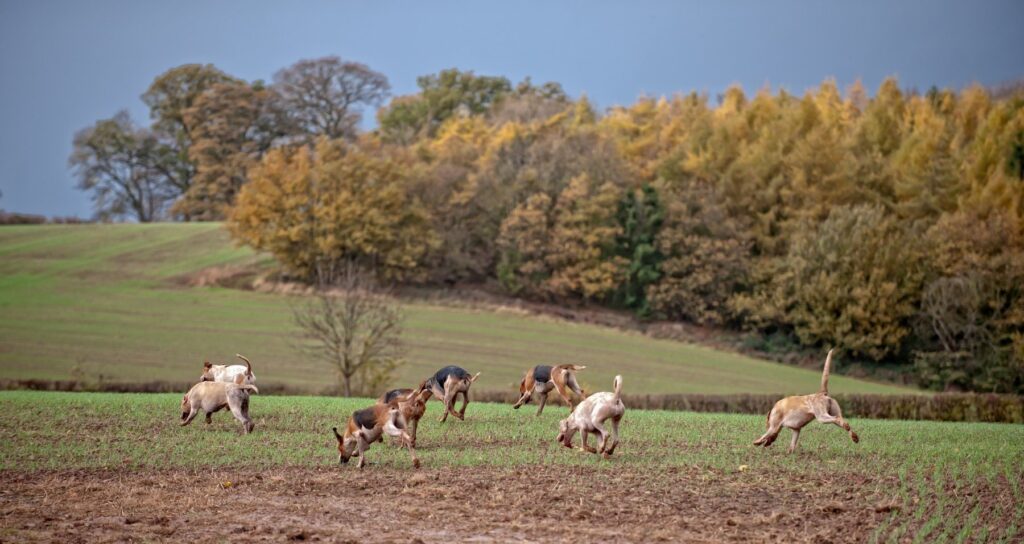
Claire Bellamy, who led a licensed hunt in Renfrewshire, was sentenced at Paisley Sheriff Court under the Hunting with Dogs (Scotland) Act 2023 after a sheriff found the hounds were allowed to chase a...
By News Desk | 11 November 2026
Get the latest news delivered direct to your door
Subscribe to Shooting Times & Country
Discover the ultimate companion for fieldsports enthusiasts with Shooting Times & Country Magazine, the UK’s leading weekly publication that has been at the forefront of shooting culture since 1882. Subscribers gain access to expert tips, comprehensive gear reviews, seasonal advice and a vibrant community of like-minded shooters.
Save on shop price when you subscribe with weekly issues featuring in-depth articles on gundog training, exclusive member offers and access to the digital back issue library. A Shooting Times & Country subscription is more than a magazine, don’t just read about the countryside; immerse yourself in its most authoritative and engaging publication.

