
Rough shooting kit: what to take on a walked-up day, and why
A walked-up day rewards the Gun who packs wisely and thinks ahead. Here’s what to take out with you – and why
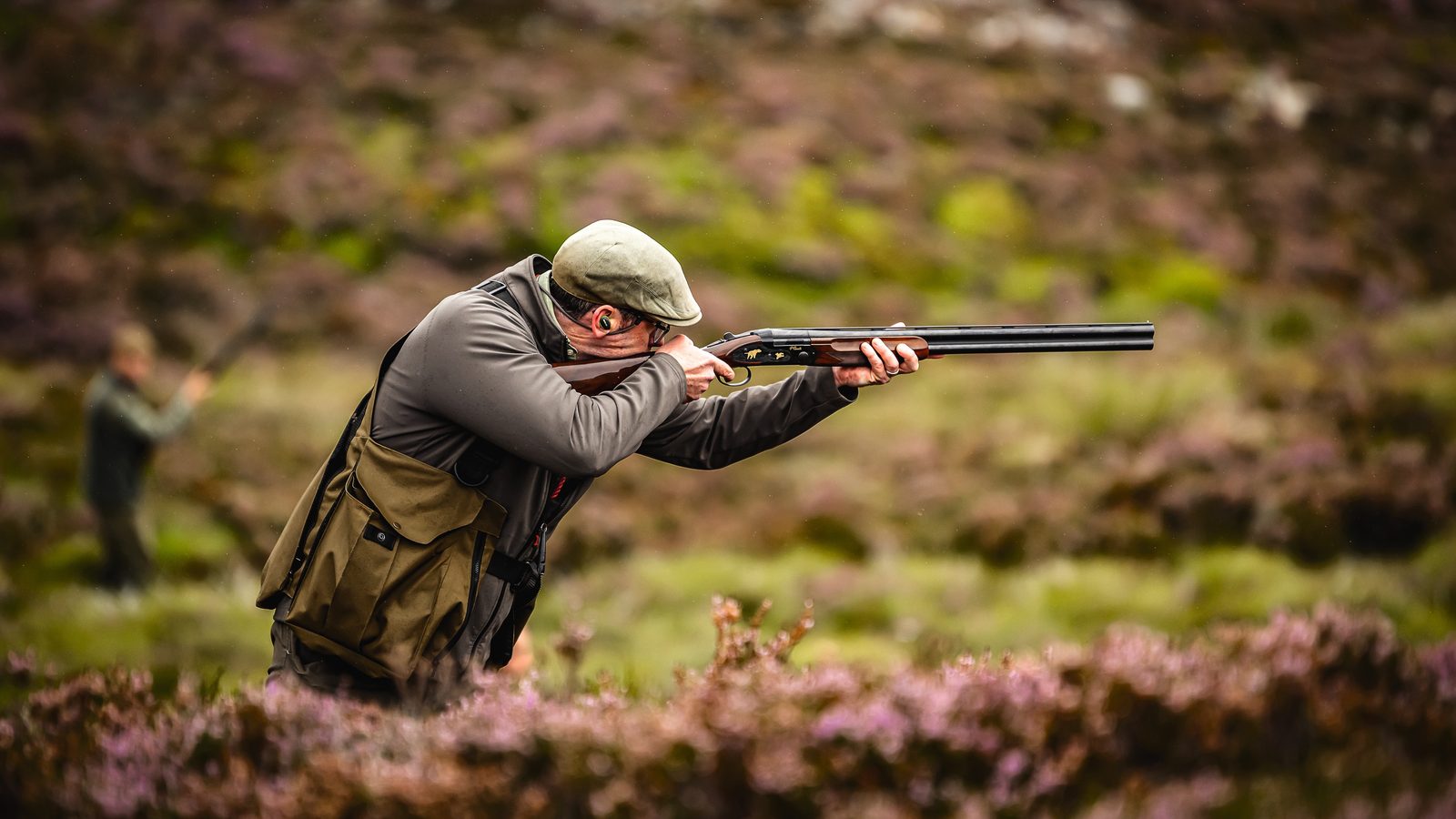

Rough shooting asks more of the Gun than any driven day. There is no Gun bus, no game cart and nobody to carry your cartridges. You may walk 10 miles across plough, rushes, hedge bottoms and ditches, mounting the gun only a handful of times and often with little warning. Everything you take has to earn its place by weight, by how it copes with British weather and by whether it helps or hinders a fast shot at a bird bursting from cover. The rule is simple: take what you need, know why you need it and leave the rest in the car.
Choosing a gun for rough shooting
Weight matters more here than anywhere else in shooting. A gun that feels fine for 20 minutes on a peg can feel like a fence post by mid-afternoon, and a tired Gun is a slow and careless one. Most walked-up shots come at 20 to 35 yards, at birds flushing away or crossing low, so you want a gun that comes up quickly and points naturally rather than one built for tall driven birds.
For most people, that means an over-and-under or side-by-side of 6½lb to 7lb with 26in or 28in barrels. Shorter barrels are quicker in thick cover but less forgiving of a lazy swing. Fixed chokes of ¼ and ½, or multichokes set the same way, cover most quarry. Fit matters more than make: a gun that suits you will kill more game than an expensive one that does not.
Remember, too, that a light gun kicks harder with the same cartridge, so balance any weight saving against recoil. A 20-bore of similar weight is a sound choice for those who prefer a softer shot.
Safety first on a walked-up day
Safety comes first on a walked-up day. Unload before crossing a fence, ditch or gate, carry the gun broken or pointed safely when walking with others, and keep a straight line so that everyone knows where the next Gun is. Load only when the dog is working and you are ready to shoot.
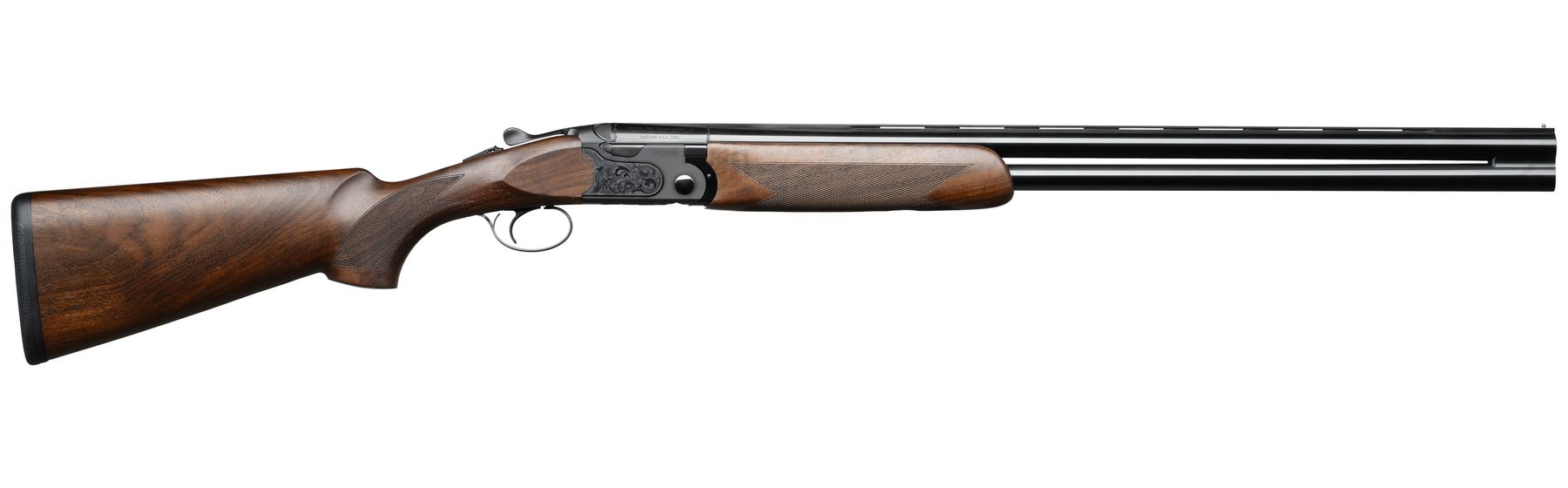
The Beretta Ultraleggero 12-bore shows how far makers have pushed weight down. It uses a skeletonised steel receiver derived from Beretta’s 690 rather than an alloy action, and a 28in gun is quoted at about 6lb 10oz.
Cartridge choice and the law on lead
Cartridge choice starts with the law, and it is changing. In England, lead shot is already banned for shooting ducks, geese, swans, coot and moorhen anywhere, and for any shooting on or over the foreshore and listed wetland Sites of Special Scientific Interest; similar rules apply in Wales, while Scotland’s restrictions cover wetlands. Under the REACH (Amendment) Regulations 2026, the sale and use of lead shot for live quarry ends across England, Scotland and Wales after 1 April 2029. If you might flush a mallard from a ditch on a mixed day, carry non-lead cartridges now.
For pheasants, partridges and rabbits at typical ranges, 28g to 32g of No 6 or No 5 is plenty, whether in lead or a non-lead alternative such as bismuth. With steel, most shooters go up one or two shot sizes to make up for its lower density. Standard steel loads suit most modern guns, but use high-performance steel only in a gun with the appropriate steel proof mark.
Pattern your chosen load through your own gun at the ranges you expect to shoot, because a cartridge that performs well in one barrel can throw patchy patterns in another. Choose fibre wads where you can, as they break down better than plastic when you are walking someone else’s land.
Carry fewer cartridges than you think. Twenty-five is usually enough, and a full bag of 50 is a real weight by the end of the day. Keep them in a pocket you can reach without taking your eyes off the dog.
Layers and clothing for walked-up days
Rough shooting means getting hot and cold several times in one outing. You warm up quickly walking a hedgerow, then stand still while the dog works out a scent. Layers that you can open and close beat one heavy coat: a wicking base layer, a light fleece or wool mid-layer and a waterproof, breathable outer shell cover most British days.
Fabric noise matters, because rustling nylon will lift birds before you are in range, so choose soft, brushed or wool outer fabrics. Look for cartridge pockets you can open with cold hands, a collar that keeps rain off your neck and a cut that lets you mount the gun without the sleeves catching.
Trousers deserve the same thought. Brambles and blackthorn shred light fabrics, so wear a tough, waterproof pair or carry lightweight overtrousers. Gaiters help if you are in boots. A peaked cap keeps rain off your glasses, and thin gloves let you feel the trigger. If you shoot with others, a blaze-orange cap or band helps everyone keep track of the line in cover.
A vest is often better than a game bag on a long walk, because it spreads the load across your back and shoulders and keeps your hands free.
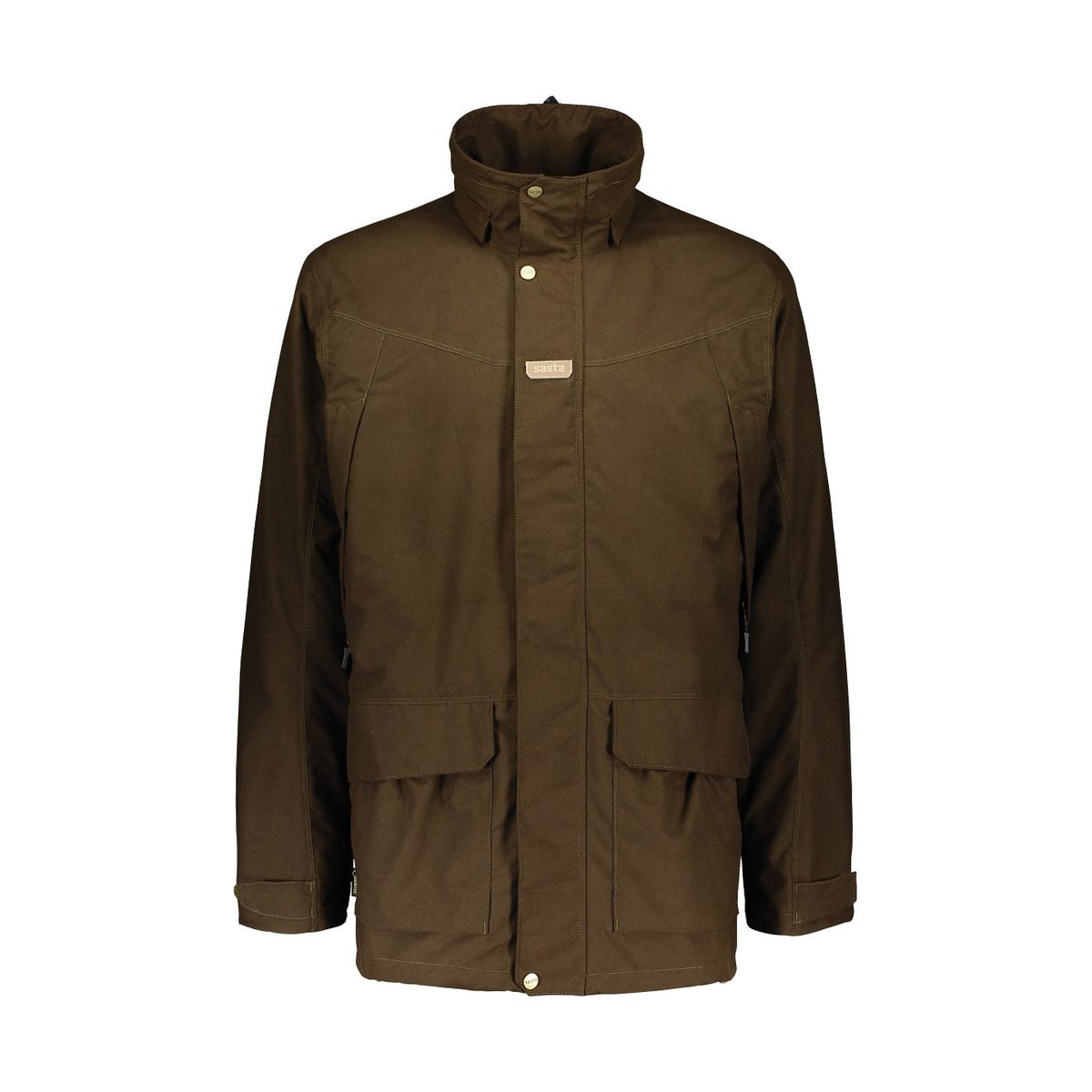
As examples, the Sasta Country Jacket has a quiet brushed outer and a Gore-Tex liner, and Muntjac Trading’s Chatsworth Handler Vest, designed for dog handlers, has a large waterproof-lined back pocket and a mesh back for ventilation.
Boots: making or breaking the day
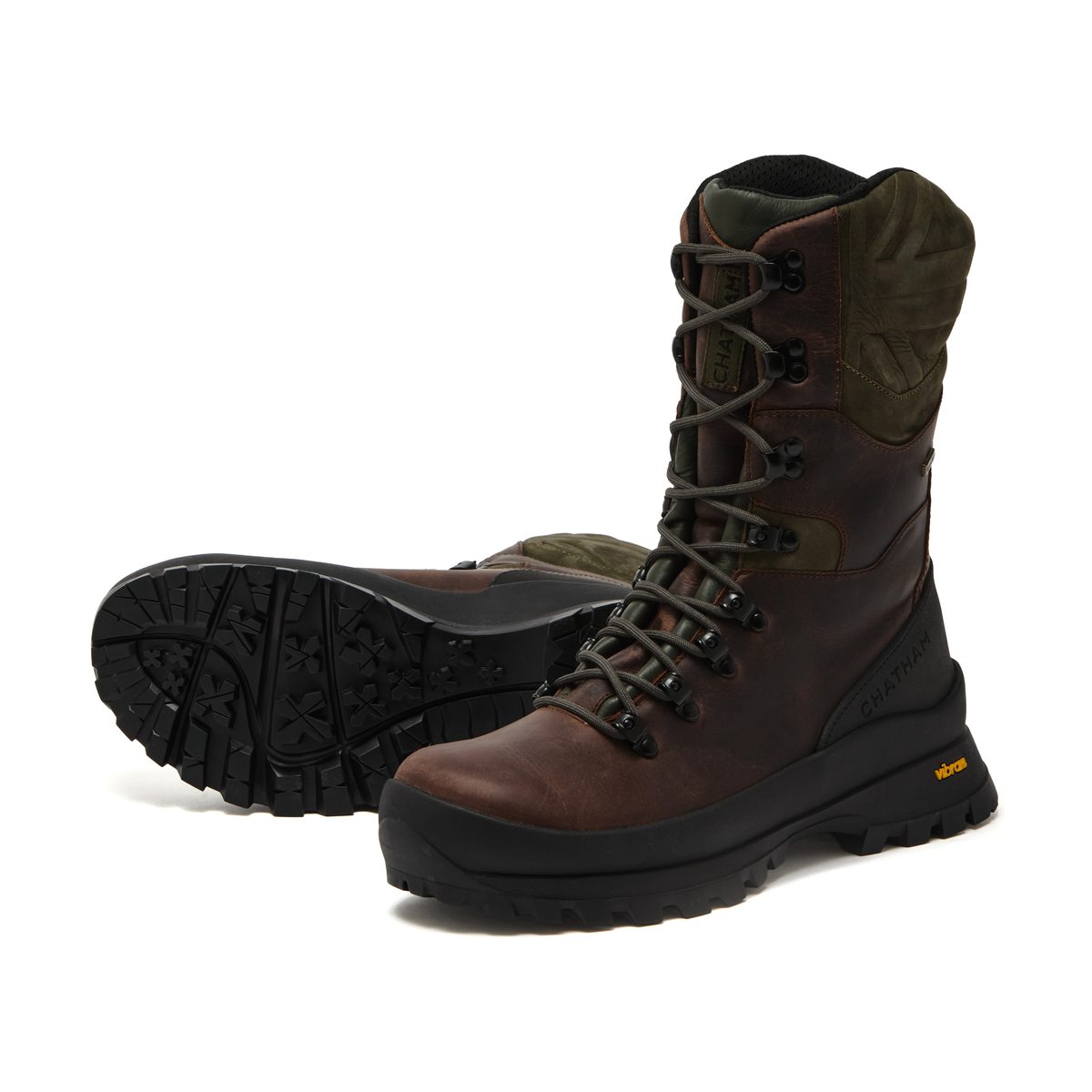
Footwear will make or break the day. Wellingtons are fine for wet meadows and short outings, but they give little ankle support and become tiring over distance. For most rough shooting, a leather boot with a waterproof membrane and a deep-lugged sole gives the best balance of grip, support and comfort.
Height is the main decision. A tall boot protects your shins from brambles and keeps water out when you cross a ditch, while a mid-height boot is lighter and flexes more easily on long walks. Stiffer soles suit steep or rocky ground; softer ones are kinder on flat farmland.
Fit is everything. Try boots on later in the day, when your feet are at their largest, and wear the socks you will shoot in. Break them in on short walks before a full day, and carry a spare pair of wool socks in your vest. Wet feet blister quickly. Dry leather boots slowly after each outing, away from direct heat, or they will crack.
A few current options show the range. Zamberlan’s Wasatch GTX RR is an 11in, Gore-Tex-lined boot designed for mountain hunting, with a rubber rand and a resoleable Vibram sole. Its Lynx Mid is a lighter mid-height boot with a BOA dial instead of laces, which is easy to adjust with cold hands. For a traditional tall country boot, the Chatham Invergeldie stands 12in high, with a Sympatex lining and a cleated Vibram sole.
A game carrier and hearing protection
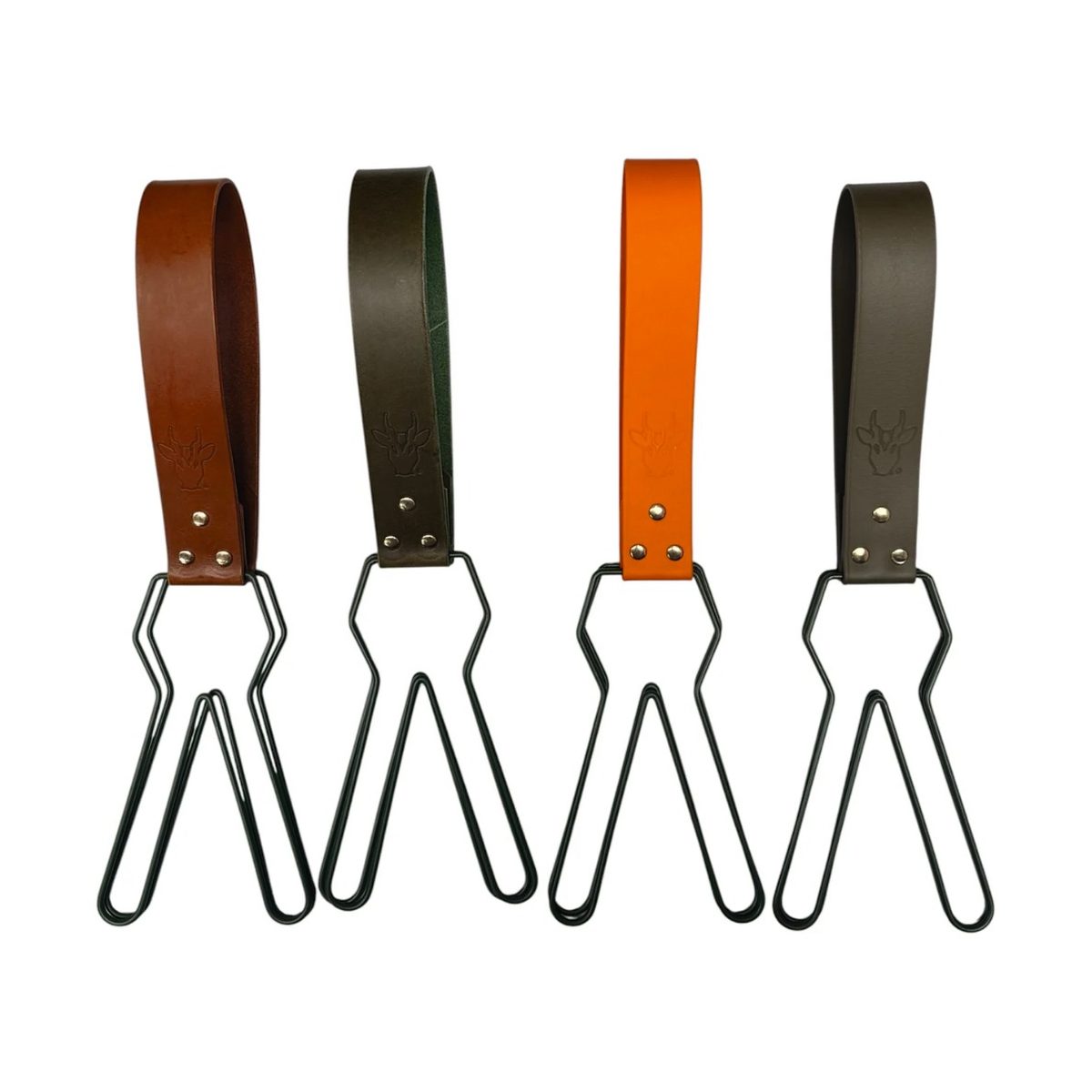
Two small items deserve a place in every rough shooter’s kit. The first is a game carrier. Carrying birds by the neck ties up the hand you need for the gun. A carrier with loops lets you hang them from your shoulder or vest and keep both hands free, and it lets air circulate so that the game cools properly. Choose one that is easy to clean. Muntjac Trading’s game carriers made from Biothane, a coated webbing that wipes clean, are one example. At the car, hang birds in the shade, not in a warm boot.
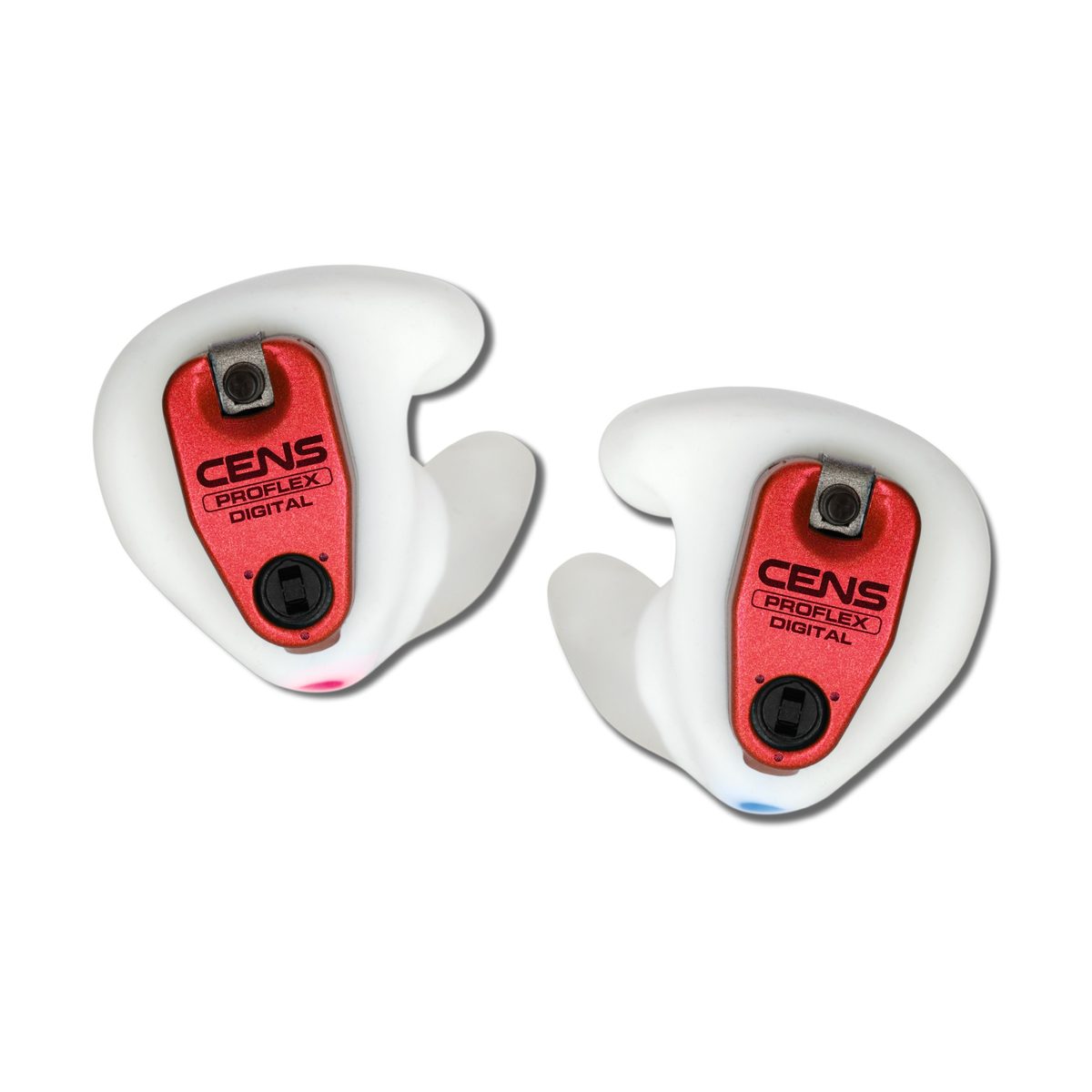
The second is hearing protection. Some rough shooters may skip it because they want to hear birds get up and the dog working, but the damage from repeated muzzle blast is permanent. Electronic protection solves the problem by amplifying quiet sounds and cutting loud ones, and good electronic muffs are affordable. Custom-moulded in-ear systems, such as the CENS ProFlex DX5, cost more but sit clear of the stock and leave nothing to snag on thick cover.
Planning ahead, for you and your dog
Shooting alone means planning for both you and the dog. Tell someone where you are going and when you expect to be back, carry a charged phone and keep a copy of your written permission to shoot on the land. Pack a head torch, because winter light goes quickly and a dog is harder to find at dusk.
For yourself, take water and food that gives steady energy: sandwiches, nuts, flapjack and a hot drink in a flask on cold days. You burn more energy than you think walking with a gun all day, and a hungry, cold shooter makes poor decisions.
For the dog, water is the priority. A working spaniel or Labrador loses fluid quickly, even in winter, so carry a bottle and a collapsible bowl and offer water regularly. Feed the main meal after the day’s work, not before it, and give a small, easily digested snack on long days if your vet agrees.
A basic dog first-aid kit is essential, with a tick remover, wound dressings and a bandage, because barbed wire and thorn cuts are common. Check paws, eyes and ears at the end of the day, dry the dog before the journey home and know where the nearest vet is before you set out.
Get the basics right and the rest of the day looks after itself.
Frequently asked questions
What is the best gun for rough shooting?
For most people, an over-and-under or side-by-side of 6½lb to 7lb with 26in or 28in barrels and ¼ and ½ chokes. Most walked-up shots come at 20 to 35 yards, so you want a gun that comes up quickly and points naturally. A 20-bore of similar weight suits those who want a softer shot.
What cartridges should I use for rough shooting?
For pheasants, partridges and rabbits at typical ranges, 28g to 32g of No 6 or No 5 is plenty, in lead or a non-lead alternative such as bismuth. With steel, most shooters go up one or two shot sizes. In England lead is already banned for ducks and geese, so carry non-lead cartridges if you might flush a mallard.
How many cartridges do you need for a day’s rough shooting?
Twenty-five is usually enough. A full bag of 50 is a real weight by the end of the day.
What should I take for my dog on a rough shooting day?
Water and a collapsible bowl, a small snack for long days if your vet agrees, and a basic first-aid kit with a tick remover, wound dressings and a bandage.
 Closes 15 JanuaryWorth £129.90Win a pair of tickets to the British Shooting Show 2027Enter nowFree to enter
Related Articles
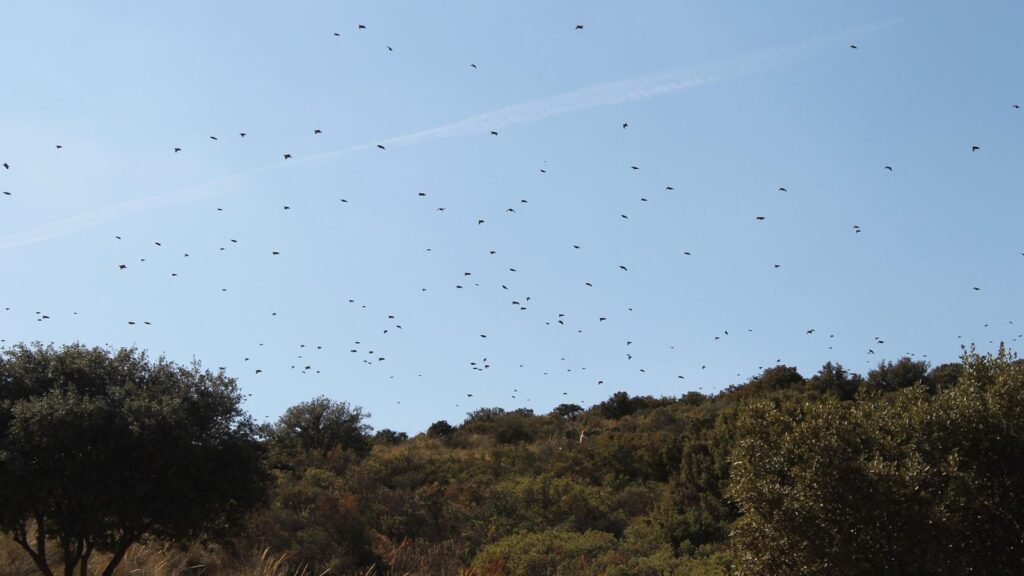
Spanish partridge shooting: how a driven day at El Despeñadero works
Britain’s partridge season closes on 1 February, but in the hills south of Madrid the redlegs fly on. Darío Vallano, whose family have run El Despeñadero for more than 40 years, explains how a Spanish...
By News Desk | 20 November 2026
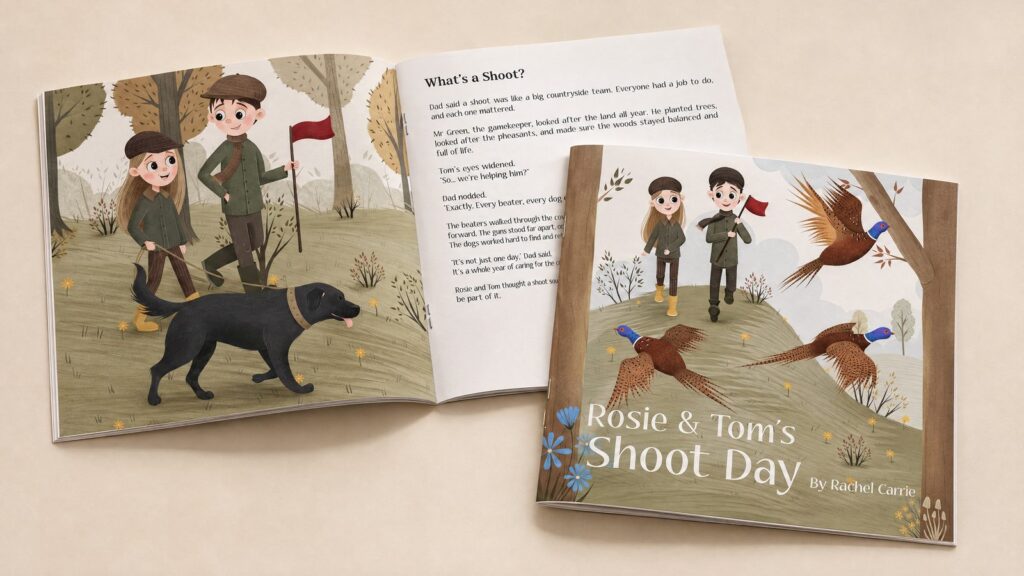
Rachel Carrie's children's book shows young readers what happens on a shoot day
Yorkshire hunter and field-to-fork advocate Rachel Carrie has written a beautifully illustrated picture book that shows children where shooting fits in the countryside – and every copy sold sends anot...
By Shooting Times | 20 November 2026
Get the latest news delivered direct to your door
Subscribe to Shooting Times & Country
Discover the ultimate companion for fieldsports enthusiasts with Shooting Times & Country Magazine, the UK’s leading weekly publication that has been at the forefront of shooting culture since 1882. Subscribers gain access to expert tips, comprehensive gear reviews, seasonal advice and a vibrant community of like-minded shooters.
Save on shop price when you subscribe with weekly issues featuring in-depth articles on gundog training, exclusive member offers and access to the digital back issue library. A Shooting Times & Country subscription is more than a magazine, don’t just read about the countryside; immerse yourself in its most authoritative and engaging publication.

