
A dog that ignores the whistle should not be on a shoot, says Ben Randall
A gundog that will not come back runs into the line of Guns, chases wounded game into unsafe ground and flushes birds out of range, the trainer Ben Randall tells Gundog Journal in a feature on recall. Off the field, the law can end with the dog destroyed
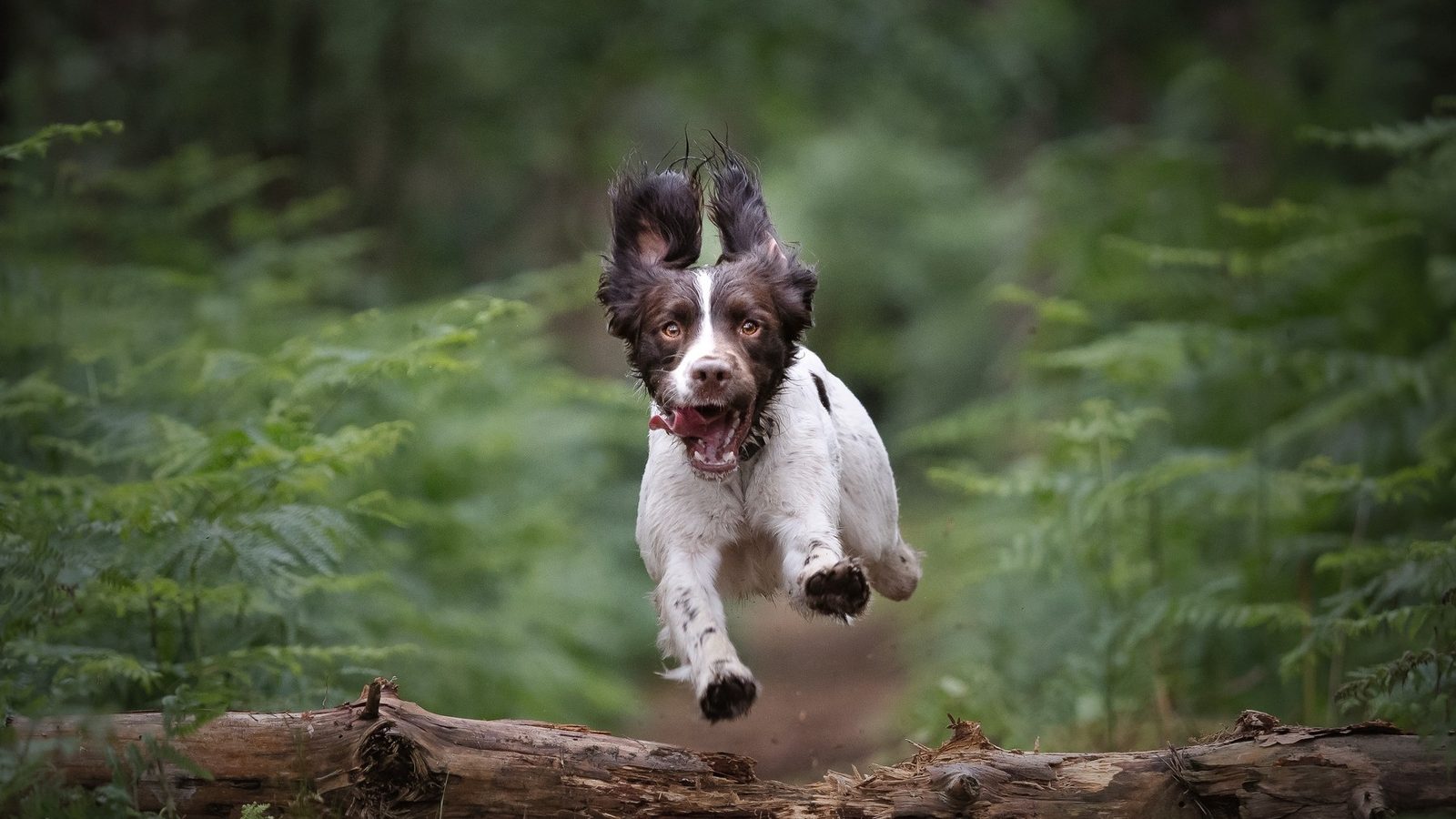

A gundog that does not come back when it is called has no business working on a shoot day, the trainer Ben Randall has said.
What does an out-of-control dog cost a shoot day?
Asked by the writer Maria Teresa Cicognini whether a loose dog on a shoot is merely an annoyance or something worse, Randall, the owner of Beggarbush Gundogs and Ledbury Lodge Kennels and co-founder of the Gundog App, was blunt. “It becomes a serious issue,” he says. “Dogs can run into the line of Guns, chase wounded game into unsafe areas, interfere with other dogs, flush birds out of range, or pick game when they shouldn’t. There’s also a real risk to the dog itself. In that environment, control is everything. If a dog doesn’t come back when called, it shouldn’t be working on a shoot.”
For a keeper or shoot captain that is a standard rather than a hope. A dog in the beating line or behind the pegs that will not stop and return on the whistle is a safety problem for the Guns, a welfare problem for a wounded bird, and a drive spoiled when it empties the wood before the line is set. Randall’s test is the one the shoot day itself applies: the dog either comes back or it does not work.
What does a good recall actually look like?
Randall’s definition is a mindset rather than a trick. “When a dog hears its name, a whistle, or a recall command, its first thought should be: I need to get back there as quickly as I can,” he said. “Every time they hear it and respond, something good should happen: praise, reward, a retrieve, or simply coming back into you and feeling that connection. If you build that properly from the start, the dog wants to come back. That mindset doesn’t happen by accident – it’s built from day one.”
The commonest failure, he said, is freedom given too early. “If you allow a dog to go off and develop its own instincts unchecked, those instincts will always take over – find it, chase it, catch it, kill it, or at the very least find it and play with it. The more success they have doing that, the worse your recall becomes.” A dog that has spent months rewarding itself in the environment, he added, becomes very difficult to convince that coming back is the better option.
Is it too late for an older dog?
Not too late, Randall said, but harder, because the handler is no longer teaching recall so much as competing with everything the dog has learnt to enjoy. His remedy is to go back to foundations, which he compares to a house whose walls stand only on solid footings. “Reduce freedom, use a long line, and stop the dog rewarding itself,” he said. “If you stay consistent and structured, you can absolutely turn it around.” Nor does the work end with a dog that has proved itself. “Every time you’re out, the dog is either learning that coming back to you is worthwhile, or that ignoring you pays off. That never changes, no matter how good the dog is.”
Do spaniels, retrievers and the hunting breeds learn recall differently?
Asked whether breed makes a difference, Randall’s answer was “Yes, massively.” Spaniels, retrievers, pointers and the hunt, point, retrieve (HPR) breeds were each made for a different job, and the recall follows the breeding. “Spaniels are bred to hunt with intensity and can switch off when they hit scent. Retrievers tend to stay more connected to the handler. Pointers and HPR breeds are bred to hunt independently, which can make recall more challenging. So you’re not just training a dog, you’re working with generations of breeding.” Rewards differ too: Cicognini describes a friend’s pointer that ignored roast chicken and toys alike and came back, in the end, to a firm voice. “It’s not about being harsh, it’s about being clear,” Randall said.
What does the law say off the field?
Cicognini’s own reason for writing was a near miss on a bridleway, when a horse panicked and threw its rider a metre from her labrador cross springer spaniel, and a year of recall training held. Under the Dangerous Dogs Act 1991, she notes, an owner whose dog is “dangerously out of control”, which covers causing an accident or injury or making someone feel at risk of injury, can be fined or jailed for six months, and the dog may be destroyed. She also cites a Derbyshire farm worker who shot a dog worrying pregnant ewes after everything else had failed and called it one of his worst days in farming. “As dog owners we have a moral obligation not only to our dogs, but to the people and animals we share the countryside with,” she wrote.
What happens next
With the season under way, Randall’s closing advice to handlers is the same whether the dog is a first-season puppy or a veteran that has picked up bad habits. “Everything comes back to getting those early stages right,” he said. “Solid foundations, clear guidance, and not allowing the dog to reward itself. Get that right, and everything becomes easier. Get it wrong, and you spend your time trying to undo it.” Cicognini’s full account, and Randall’s advice in full, are on Gundog Journal, linked below.
Frequently asked questions
Should a gundog with a poor recall work on a shoot day?
No, according to the trainer Ben Randall. Writing in Gundog Journal, he says a dog that does not come back when called can run into the line of Guns, chase wounded game into unsafe areas, flush birds out of range and pick game it should not, and is itself at risk. In that environment, he says, control is everything.
Can an older gundog still be taught to recall?
Yes, but it is harder, because the dog has learnt to reward itself by chasing and hunting. Randall’s advice is to rebuild the foundations: reduce freedom, use a long line, stop the dog rewarding itself and stay consistent and structured.
What can happen under the Dangerous Dogs Act if a dog is out of control?
Under the Dangerous Dogs Act 1991 a dog that is dangerously out of control, meaning it causes an accident or injury or makes someone feel at risk of injury, can lead to a fine or six months in jail for the owner, and the court can order the dog destroyed.
 Closes 15 JanuaryWorth £129.90Win a pair of tickets to the British Shooting Show 2027Enter nowFree to enter
Related Articles

My working terrier journey: what Norway’s elk-hunting laikas reveal about the working terrier
In this extract from his book My Working Terrier Journey, Martin Webber watches West Siberian laikas hold an elk in a Norwegian forest and sees clear parallels with the terrier below ground
By Martin Webber | 4 November 2026
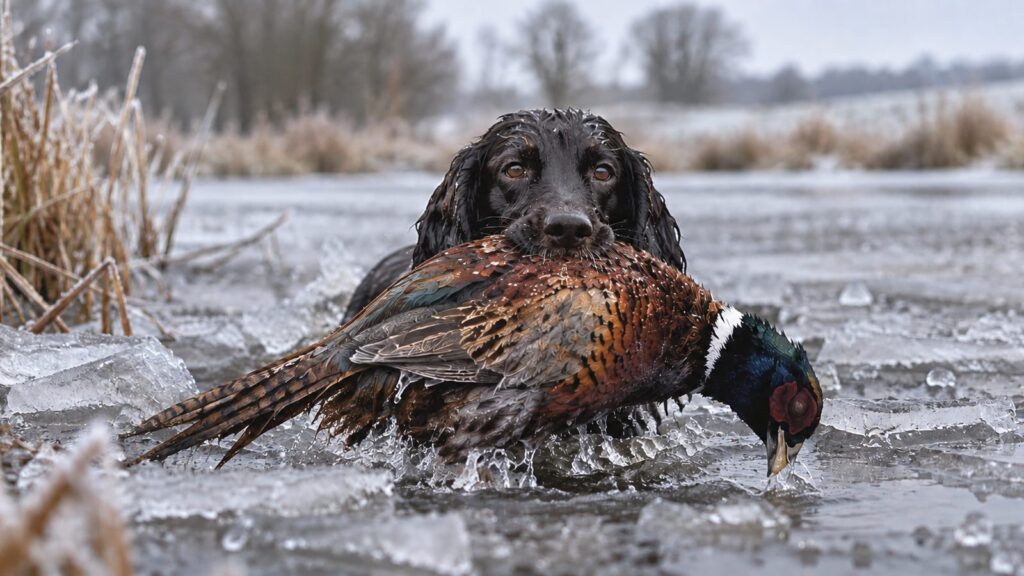
Gundog health: a shoot-day guide for keepers and pickers-up
Fitness, feeding around a drive, the first aid kit in the truck, heat on a mild October day, the wet dog on the peg, limber tail and what to do when a dog goes through the ice: the checks to make befo...
By News Desk | 29 October 2026
Get the latest news delivered direct to your door
Subscribe to Shooting Times & Country
Discover the ultimate companion for fieldsports enthusiasts with Shooting Times & Country Magazine, the UK’s leading weekly publication that has been at the forefront of shooting culture since 1882. Subscribers gain access to expert tips, comprehensive gear reviews, seasonal advice and a vibrant community of like-minded shooters.
Save on shop price when you subscribe with weekly issues featuring in-depth articles on gundog training, exclusive member offers and access to the digital back issue library. A Shooting Times & Country subscription is more than a magazine, don’t just read about the countryside; immerse yourself in its most authoritative and engaging publication.

