

Gundog kennels: why a shed and bars leave a working dog wet and pacing
A run with a view of the whole garden is a big TV the dog cannot switch off, says Ryan Kay, and Ben Randall keeps his kennels inside a building for that reason and for the weather. Speaking to Gundog Journal, the two trainers and a kennel builder set out what a working dog’s housing needs, and the cheap fixes for a run that already exists
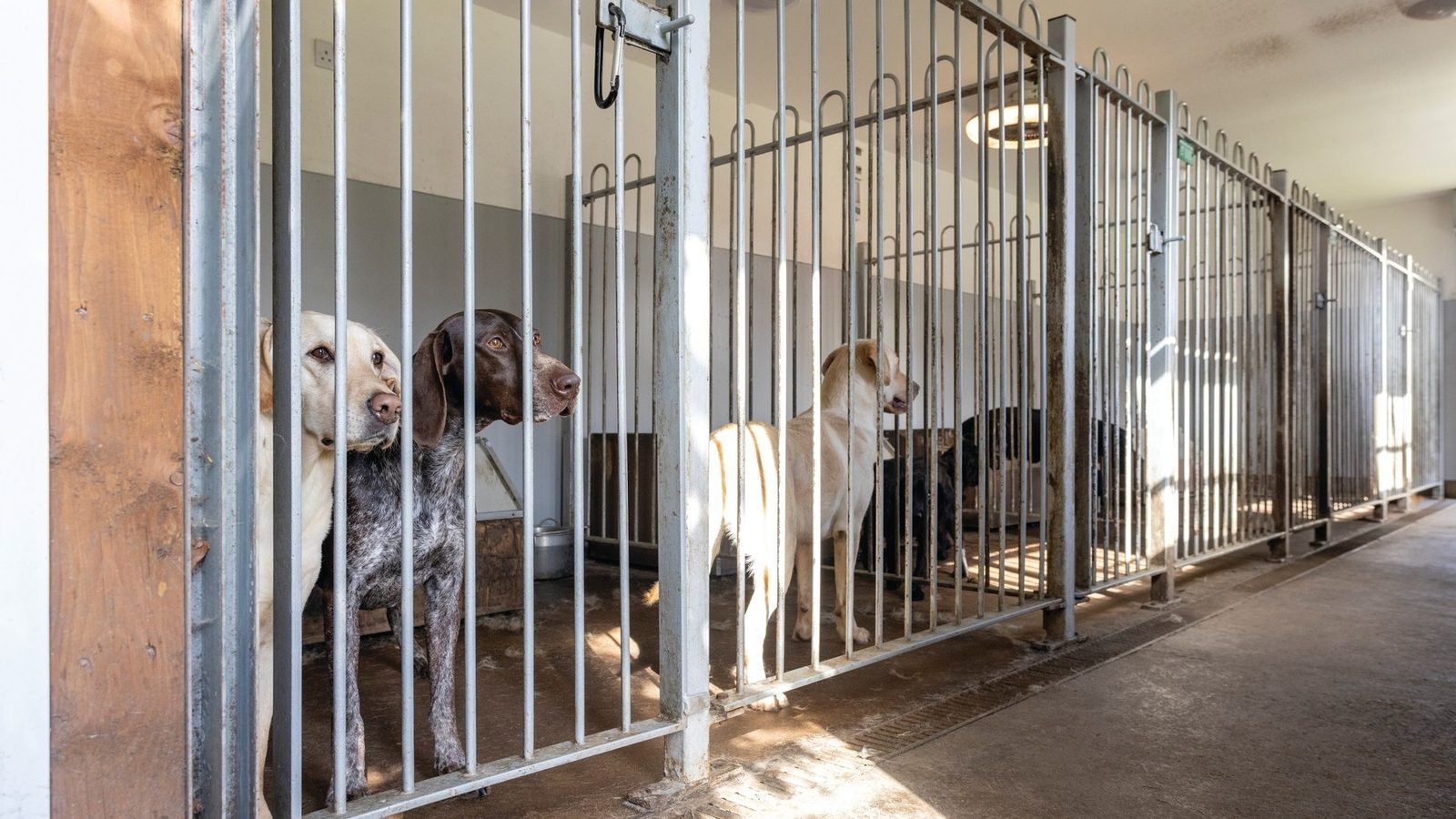

An 8’×4′ shed on a concrete base with galvanised bars and a gate is why so many working dogs are wet, cold and pacing, says Ben Randall, and a run with a view of the whole garden is a big TV the dog cannot switch off, says Ryan Kay. Speaking to Gundog Journal with the kennel builder Garden & Animal Structures, the two trainers have set out what housing a working dog outdoors takes, from the site and the temperature to the beds, the bars and the cameras.
What is wrong with the shed and the galvanised run?
Randall told Gundog Journal: “People buy an 8’×4′ shed or structure with a concrete base, galvanised bars on the sides and a gate, then wonder why their dog is always wet, cold or pacing. The dog can hear cars, neighbours and delivery drivers and see every wild animal in the garden.” Tin roofs and uninsulated structures run with condensation that drips into the run, and position makes it worse. “I see a lot of outdoor kennels positioned badly – in shade, exposed to wind and rain, often without solid end panels. The result is dogs living in continually wet conditions.”
The head matters as much as the coat. “Dogs can see birds, cats and people, which creates a less calm environment. Working dogs, in particular, need to be able to relax and switch off.” Kay agrees: “The outside area can be like a big TV – dogs can’t switch off.” Garden & Animal Structures adds the builder’s fundamentals: location is critical, so the kennel goes in a sheltered, well-drained and quiet spot, sized for the breed, the number of dogs and the hours they spend inside, with ventilation, insulation and easy-clean materials throughout.
Inside a building, with the roof lights covered in summer
“I personally prefer my kennel systems to be inside a building or inside a structure,” Randall said. His are built from insulated panels with raised sleeping areas and exercise runs, they face south, and their large doors and windows stand open through the day. The roof lights are managed by the season. “In summer I cover them to stop the dogs waking too early and to prevent too much heat coming through. In winter I open them to allow the sun in and give the dogs more natural light.”
The point, for a man running a kennel of working dogs, is the working day. “When the weather is as bad as it can be, I’m in a warm, dry, insulated environment where I can wash dogs off, feed them and train them as soon as I close that kennel door.” For an outdoor run that already exists, the fix is an insulated roof and solid side panels, positioned out of the prevailing wind and rain. “Replacing panels with solid sides is ideal, but a cheaper alternative is fitting removable clear perspex sheets, which can be adjusted depending on the weather.”
How warm must a kennel be, and which way should it face?
“A kennel needs to maintain a temperature above 10–12°C for a dog to remain comfortable,” Kay said. Shelter from draughts is the priority and the inside space is the part that counts; the outside area is useful, no more. He also disputes the standard advice that a kennel faces south. “It’s easier to warm a kennel than cool it. In hot summers, heat can be relentless, so I prefer openings facing north or west.”
His indoor set-up runs dull emitter heat lamps, which warm without light, and he is trying infrared boards that project heat where it is needed. A dog that comes in soaked from the beating line or the pick-up goes on to drying bedding, removed once the dog is dry.
Beds, floors, bars and cameras
Both trainers use raised beds so that air moves beneath the dog. Randall’s beds carry washable vet bedding; Kay chooses by the dog, from soft furnishings and vet bed to a robust bed or rubber matting for a chewer, and wants every bed easy to clean, easy to get into and still usable as the dog ages, with sides that are not too high. Between runs he prefers bars to mesh, which gather less dust, cannot be climbed and still let air through. Floors indoors are smooth concrete or heavy-duty rubber matting for grip, and a low night light helps a dog settle and move in the dark.
Security is part of the build. Randall runs CCTV and alarm beams around his kennel buildings, set to trigger before anyone reaches a door and to alert his phone and a monitoring company. Kay regards cameras as welfare kit as much as a lock. “If dogs are barking at night, I can immediately see what’s going on and even talk to them.”
Should every working dog be kennelled?
No, says Kay. Some dogs find it stressful, particularly housed alone. “It’s down to the individual dog – whether it’s comfortable in its own skin.” He wants the house training done first: “Six months of house training or 14 years of cleaning mess – it’s worth it.” His answer for most owners is the kennel as a tool rather than a permanent address. “My preference for most people is the best of both worlds – dogs outside during the day and inside at night. Think of the kennel as a useful tool to help keep the house clean, manage your dog and help them cope with different environments, such as boarding kennels or the vet. It’s really just another area for your dog to be happy in.”
What this means for the kennel yard this autumn
For a keeper with a team of dogs about to work four days a week, a picker-up with a truckload or a farmer with one labrador that beats on Saturdays, the feature’s checklist is a standard to hold the kennels to before the first driven day: the size for the breed and the number of dogs, insulation, ventilation and weatherproofing, a position out of the wind, the rain and the disturbance, easy-clean materials kept clean, and each dog’s temperament weighed. No overcrowding, no dogs housed together that do not get on, no damp or draughts, and no reliance on a shed-style structure. The full feature, with both trainers’ kennels described in detail, is in Gundog Journal.
Frequently asked questions
What temperature should a gundog kennel be?
Above 10–12°C for the dog to remain comfortable, according to trainer Ryan Kay, speaking to Gundog Journal. Insulation, solid side panels and shelter from draughts matter more than the size of the outside run, and dull emitter heat lamps give warmth without light.
Should a dog kennel face south?
Not necessarily. Ryan Kay prefers openings facing north or west, because a kennel is easier to warm than to cool and summer heat can be relentless. Ben Randall’s indoor kennels face south, with roof lights he covers in summer and opens in winter.
How do you make an existing outdoor kennel warmer and drier?
Ben Randall’s fix is an insulated roof and solid side panels, with the kennel positioned out of the prevailing wind and rain. Where replacing galvanised panels with solid sides is too much, removable clear perspex sheets can be fitted and adjusted to the weather.
Is kennelling suitable for every working dog?
No. Some dogs find it stressful, particularly if housed alone, and Ryan Kay says it comes down to the individual dog. He house-trains first and, for most owners, prefers a dog outside by day and inside at night.
 Closes 15 JanuaryWorth £129.90Win a pair of tickets to the British Shooting Show 2027Enter nowFree to enter
Related Articles

Drawn from the field: sporting artist Jonathan Pointer on capturing a working dog
He paints five oils a year, rarely exhibits and sells almost everything by word of mouth, which is why many who know the sporting art world have never seen his work. Jonathan Pointer draws gundogs in...
By News Desk | 12 November 2026

Betsy Bradford interview: the gundog artist who picks up and trials
She trained as an architect, picks up on a family shoot, trials her labradors and paints other people’s dogs from a spare room in Oxfordshire. Betsy Bradford talks to Selena Barr about Laura Hill, the...
By News Desk | 11 November 2026
Get the latest news delivered direct to your door
Subscribe to Shooting Times & Country
Discover the ultimate companion for fieldsports enthusiasts with Shooting Times & Country Magazine, the UK’s leading weekly publication that has been at the forefront of shooting culture since 1882. Subscribers gain access to expert tips, comprehensive gear reviews, seasonal advice and a vibrant community of like-minded shooters.
Save on shop price when you subscribe with weekly issues featuring in-depth articles on gundog training, exclusive member offers and access to the digital back issue library. A Shooting Times & Country subscription is more than a magazine, don’t just read about the countryside; immerse yourself in its most authoritative and engaging publication.

