

The mystery of scent: why we underrate our dogs’ noses
We underrate our dogs’ noses, yet from hound packs to ferreting lurchers, scent still holds secrets we will never fully unravel, says Jackie Drakeford


Though we exploit our dogs’ superior sense of smell when we work them, it is usual for us to underrate it. Dogs are always taking in scent and analysing it, the same way we do with our eyesight. If we watch our dogs, we can have some idea of what they are processing by their body language. A dog scenting on the outskirts of dense cover may raise a few hackles to indicate ‘fox’ or pick up its feet and flirt its tail to tell us ‘rabbit’ or ‘pheasant’.
If we apply ourselves to learning each dog’s communication style, we soon know what it has found. Hounds hunted as a pack become very proficient at following their quarry by scent, just as a scent-hunted quarry can become proficient at disguising its scent trail.
It’s a mystery how they know to do this, because there isn’t too much chance to build on experience. Before the ban, I twice saw a fox turn and run straight through the middle of a pack of hounds that were following its scent; the first time, the hounds were so intent on what their noses were telling them that they never saw the fox, which escaped unscathed; the second time, one hound changed its perception from scent to view, looked up and saw the fox, leading to a different ending.
What a huntsman knows about scent
A huntsman of many years’ experience understands plenty about scent, its relationship to weather and environment, and knows when to be quiet and let the hounds puzzle things out for themselves, and when to cast them onto where he or she imagines the trail will lead.
What ferreting dogs can tell us
Ferreting dogs teach us a lot about whatever is lurking down a hole in the ground, and to see one treading light-footedly across a bury, testing the entrances by scent and then weathercocking into position to indicate where a rabbit is near the surface, can save a lot of time in choosing where to enter the ferret.
As the ferret goes in, and the rabbit starts to move, scent, sound and vibrations show which way the rabbit has gone, so that when it erupts out of a different exit hole, the dog is ready to hold it in the net.
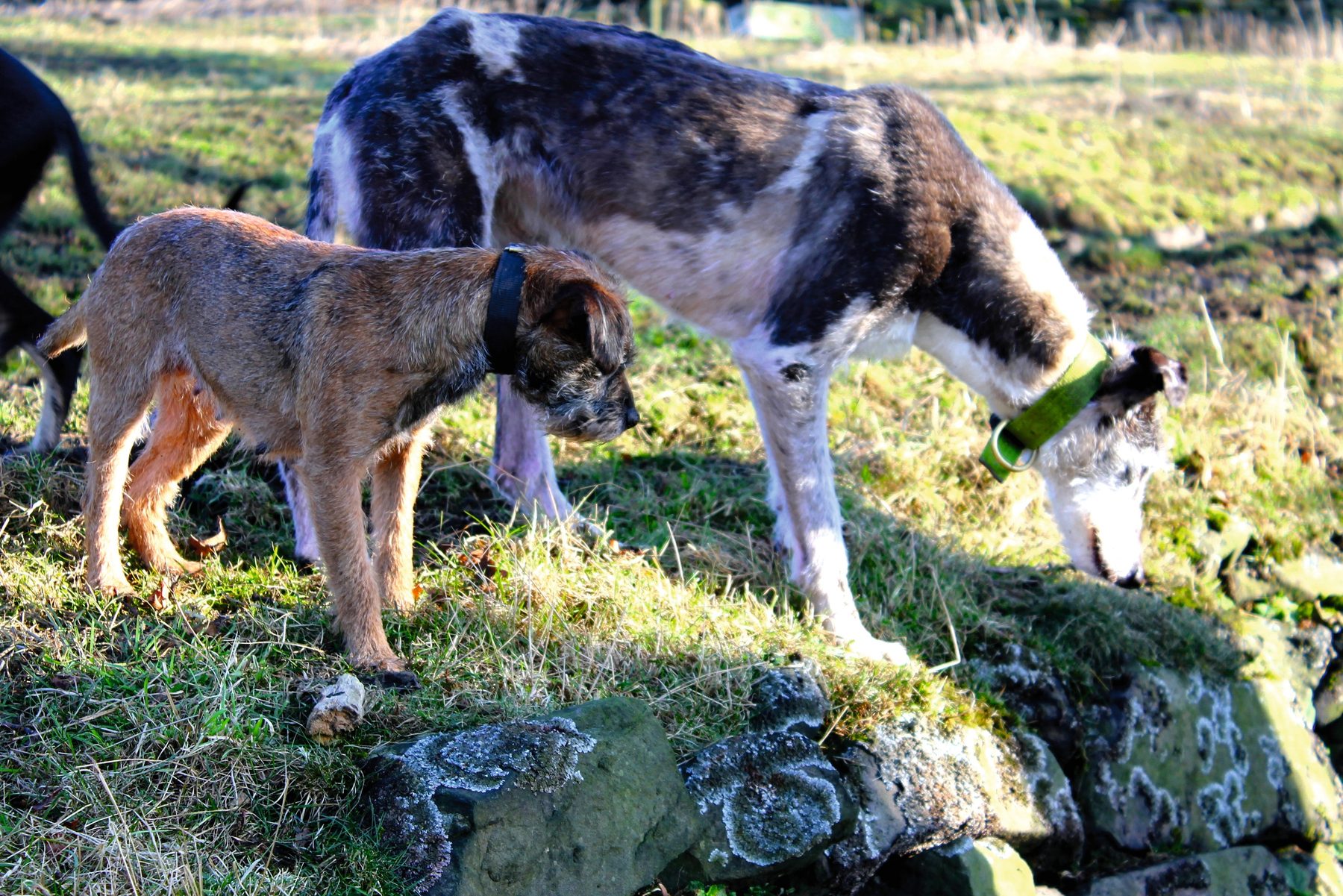
It’s a formidable talent, for all it is so often seen. One of my lurchers waited unmoving staring into a bury for 20 minutes, until the rabbit bolted straight into her mouth, which happened to be poised over the right exit hole. There is nothing exceptional about this; many of them will usually stand in the right place to catch and hold a bolting rabbit; how sharp their senses must be!
Pointing breeds and the caprices of scent
It’s a treat to watch hunt, point and retrieve (HPR) breeds quartering and picking up scent, often in less-than-ideal weather conditions, and watching one indicate the presence of quarry is truly exciting. They have to analyse the caprices of scent on hot, dry days or in very windy conditions, of quarry that is moving forwards and through vegetation that has significant odour. We in turn have to trust them, as well as understand the difficulty of some of the ambient weather. We should not expect perfection, but it is astonishing how often we seem to get it.
When good noses are deceived
Have you ever seen a series of good scenting dogs unable to locate a woodcock you know is down? Another mystery of scent is that the recently deceased, which should by logic carry their own body scent plus that of shot and blood, appear not to be easily found. That our eyes are fooled by camouflage is known, but what is the nose of a good dog deceived by? And then along comes another dog which picks the downed quarry with ease.
What is that all about? Is that a dog with superior ability or just more experience? Does scent get disguised the way eyesight does, by some kind of camouflage? Or is there so much scent about with newly shot quarry that it is hard to work through it to a find? Scent will always be a mystery to us, and the more we learn, the less we know.
Jackie’s viewpoint
Mother knows best: a possessive dam is no sign of any temperament flaw
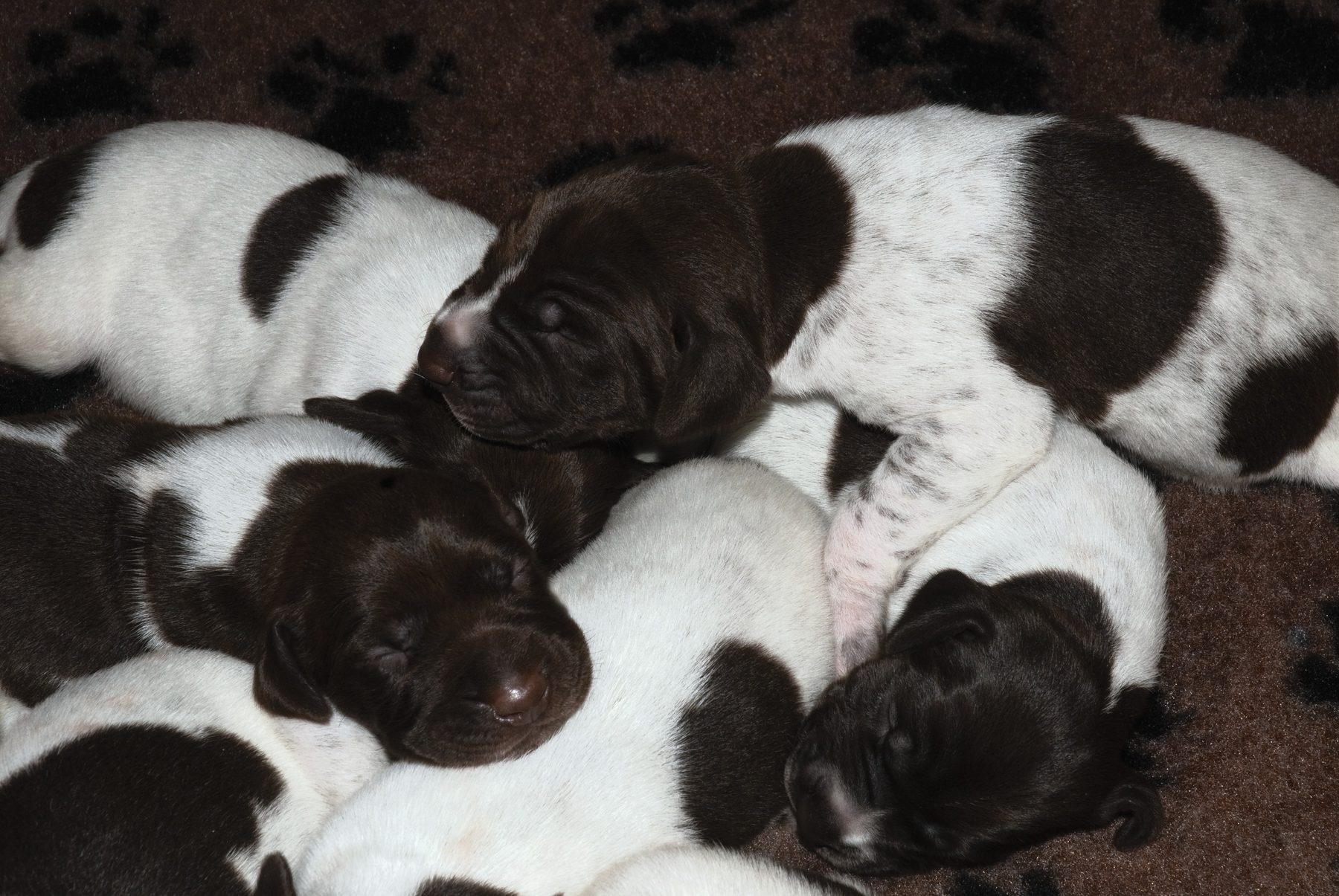
When we choose a pup, we choose all its ancestors as well. We are always advised to see pups with their dam, but some bitches are so puppy-proud that they have to be kept separately from their litter when prospective buyers come to choose a pup.
This is not the sign of a temperament flaw, but maternal instinct taken to an extreme. I remember going to see a new litter sired by my stud dog on a possessive bitch. When her owner picked up the lead to take her for a walk she very much wanted to go on, she came up to me and made hard eye contact – unusual in a dog – before leaving me, and when she came back, instead of going directly to her litter, she came up to me and smelled my hands.
Of course, I hadn’t touched her whelps while she was away from them, so she was apparently satisfied and was very genial with me thereafter.
Being possessive of the litter is not a temperament flaw, but it is always wise to accept that it happens and not to stress the bitch unnecessarily by having her see strangers interacting with the pups.
Other bitches may be different and happily accept their whelps going up to strangers and being touched by them, though I always deter people from picking pups up, because a fall is all too easy with a wiggly whelp.
A possessive dam is not a negative for a pup’s temperament, but normal protective maternal instinct that must be respected.
Jackie Drakeford is a working dog instructor and behaviourist with a special interest in lurchers and terriers.
Frequently asked questions
How does a ferreting dog show where a rabbit is?
A good ferreting dog treads light-footedly across the bury, testing the entrances by scent, then weathercocks into position to indicate where a rabbit is near the surface. Once the ferret is in, scent, sound and vibrations show the dog which way the rabbit has gone.
Is a possessive bitch a sign of poor temperament in her puppies?
No. Jackie Drakeford says a dam that is possessive of her litter is showing normal protective maternal instinct taken to an extreme, not a temperament flaw, and it should be respected by not stressing her with strangers handling the pups.

About the author
Jackie Drakeford
A Sussex-based countryside writer with a special interest in lurchers, Jackie was born and brought up in the New Forest and has had a lifelong interest in horses and working dogs. She is well known as a lurcher showing and obedience judge and judges at ferret shows too, works, trains and occasionally breeds her own working lurchers, and is involved in lurcher rescue. A Kennel Club accredited instructor and behaviourist and a founding member of the GEM Ferret Care Group, she is a widely respected author of dog-care titles, among them Understanding the Working Lurcher, The House Lurcher, The Working Lurcher: The Traditional Skills and Working Ferrets, and has hunted with lurchers from the south coast to the northernmost tip of Scotland.
 Closes 15 JanuaryWorth £129.90Win a pair of tickets to the British Shooting Show 2027Enter nowFree to enter
Related Articles
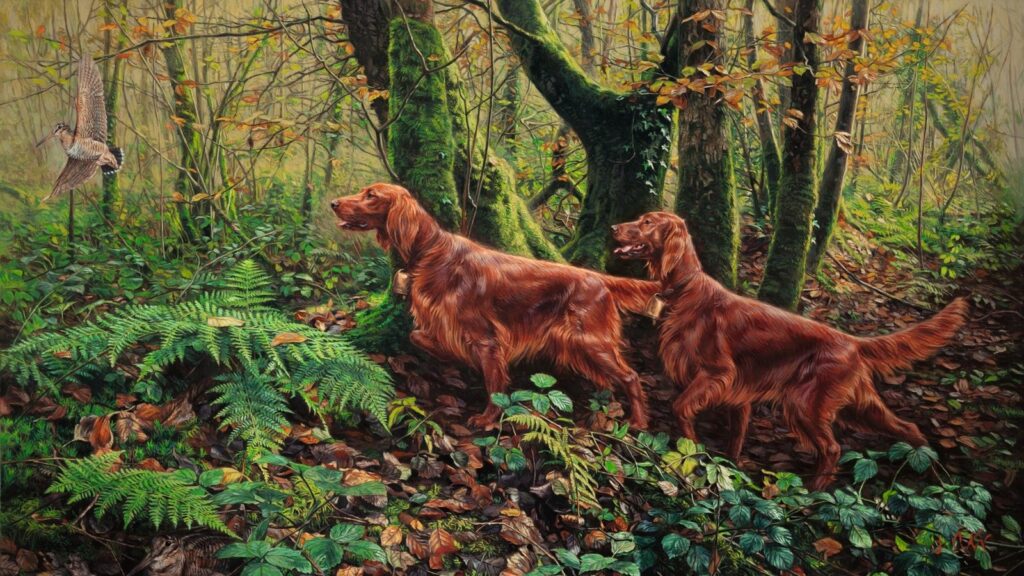
Drawn from the field: sporting artist Jonathan Pointer on capturing a working dog
He paints five oils a year, rarely exhibits and sells almost everything by word of mouth, which is why many who know the sporting art world have never seen his work. Jonathan Pointer draws gundogs in...
By News Desk | 12 November 2026

Betsy Bradford interview: the gundog artist who picks up and trials
She trained as an architect, picks up on a family shoot, trials her labradors and paints other people’s dogs from a spare room in Oxfordshire. Betsy Bradford talks to Selena Barr about Laura Hill, the...
By News Desk | 11 November 2026
Get the latest news delivered direct to your door
Subscribe to Shooting Times & Country
Discover the ultimate companion for fieldsports enthusiasts with Shooting Times & Country Magazine, the UK’s leading weekly publication that has been at the forefront of shooting culture since 1882. Subscribers gain access to expert tips, comprehensive gear reviews, seasonal advice and a vibrant community of like-minded shooters.
Save on shop price when you subscribe with weekly issues featuring in-depth articles on gundog training, exclusive member offers and access to the digital back issue library. A Shooting Times & Country subscription is more than a magazine, don’t just read about the countryside; immerse yourself in its most authoritative and engaging publication.

