

The Countryman: the silence of the marsh on the Thames Estuary
Industry and reserves have silenced the Essex marshes, but on the Kent side fowling goes on, writes Alan Jarrett
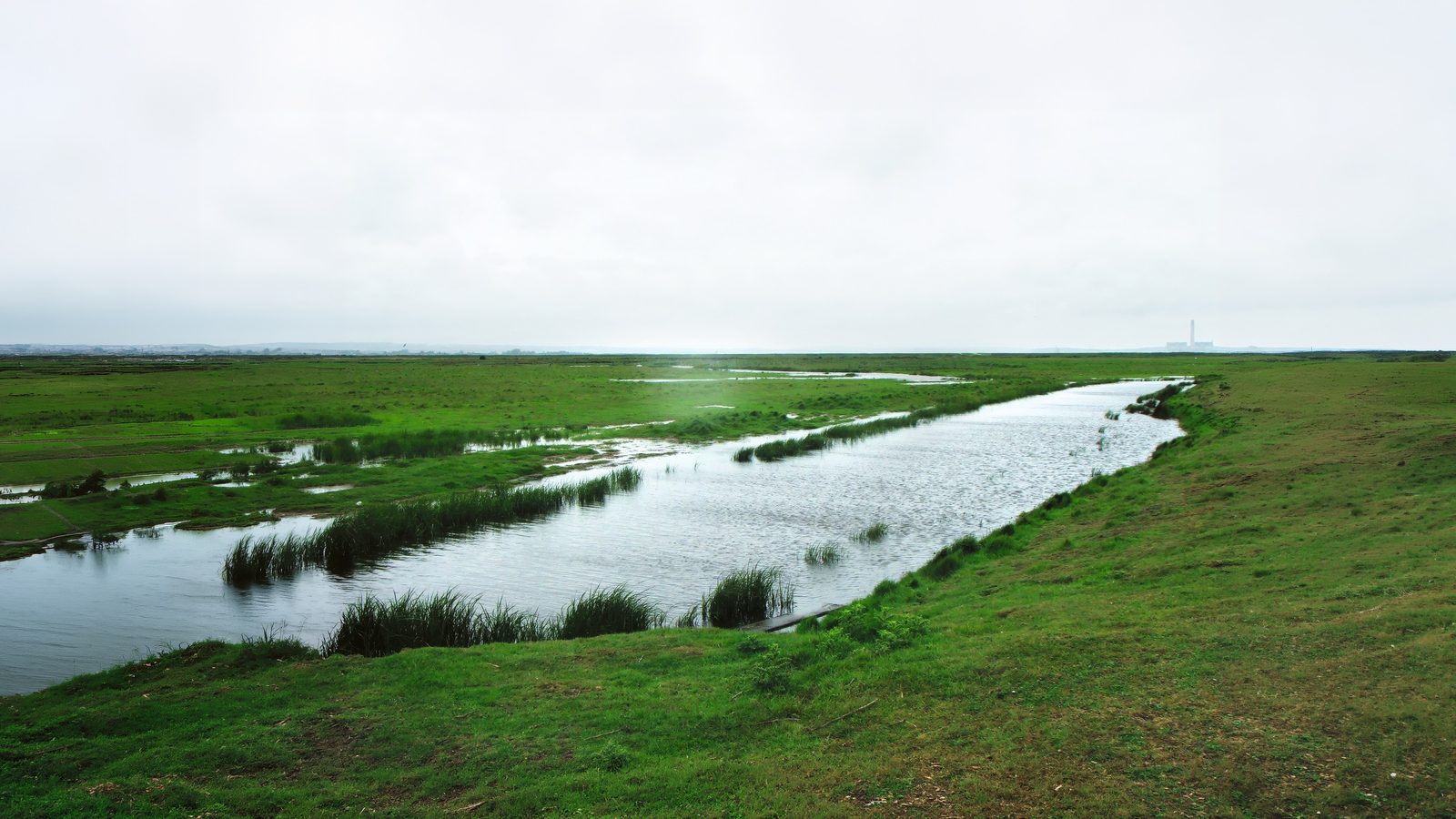

The wife and I were ensconced in a restaurant which in daylight would look out across the marshes on the southern side of the River Thames. Beautiful marshes too as set out so poignantly by Charles Dickens in his masterpiece novel Great Expectations: ‘Ours was the marsh country, down by the river, within, as the river wound, twenty miles of the sea.’
Later he wrote of ‘the bleak stillness of the marshes’. It is perhaps not for me to attempt to contradict the great man, but I could not disagree more, for these wonderful marshes are anything but bleak and still; rather a pulsing, vibrant world of marshes and water and wild creatures which call these places home.
Over dinner my wife said to me, “What are those lights?”
“South Essex,” was my short reply.
Following her incredulity, for the lights seemed so close when in reality they were over six miles away across land and tide, there then followed a discussion between us about the contrasts between the Kentish shore and the Essex shore. That contrast could not be starker.
We were looking at London Gateway, the deep-water terminal constructed several years ago to act as an entry point for huge quantities of cargo into the UK. To the west lay the Tilbury Docks, and to the east Canvey Island and further east still Southend-on-Sea. Beyond lay the North Sea and the gateway to the Arctic.
There were still marshes on that Essex coast to talk about, but the imprint of Man had taken precedence, dwarfing all else and giving an unforgiving impression to the casual observer. At night were myriad lights; by day the vast steel and concrete structures peppered the horizon in an unending vista, which can only be described as a blot on the landscape.
An unbroken chain of marshes on the Kent shore
How fortunate we are here on the Kentish side, for we have an almost unbroken chain of marshes from Gravesend in the west through over 13 miles to the eastern shore of the Isle of Grain. We have industrial development aplenty, but not along the shore of the old River Thames; rather it is scattered along the northern shore of the Medway Estuary, although not so as to impinge on the coastal marshes and saltmarshes which lie there.
Marshes that lie silent
The destruction of that northern coast can only be described as tragic. But there are other tragedies, for the marshes which remain are now in the hands of those opposed to wildfowling, and the marshes lie silent when otherwise there might be the happy echo of the occasional shot.
Not that our side of the estuary is a hive of wildfowling activity, but at least we have substantial honeypots where our sport can still continue much as it has done for centuries before. It has been up to us to ensure those traditional opportunities remain, and we have done so with a fair degree of success.
Woven into that work has been land acquisition including freehold purchases, and entry of that land into the various agri-environment schemes available. This has allowed those ancient grazing marshes to be retained in something like their original form. Comparisons with the past have of course been limited, for now sheep and cattle graze where once the tide flowed remorselessly until it reached the higher ground now almost two miles away.
We do not regret the passing of the land revered by Dickens; instead we appreciate what remains, covet it and honour it. But there is a certain sadness associated with a flight, evening flight in particular, for as the world begins its preparation for sleep so the marshes awaken.
The whistle of high-flying wigeon; the rushing flight of teal near at hand; the deep croak of greylags heading out to roost on the tide; and close at hand the chirrup of the marsh frogs where they are snugly down in one of the network of ditches. All these sounds and more break the ‘bleak stillness’ mentioned earlier.
But not a shot to be heard over the whole vast estuary. Rather the pulse of engines as one freighter after another plies its trade into and out of London, to feed and supply the nation. Then the lights begin to come on and soon there is a great bank of light, which on a cloudy evening reflects back from the cloud to light up the land all around.
Strangely perhaps it is not an intrusive light, once you forget about its relative newness, and what it means. Rather it is now ever-present. If you worried about it you would do nothing but worry. Better to get on with life, and enjoy what is there rather than mourn that which has long since gone.
An October evening beside the pool
On another day some years ago I sat beside a tiny pool fringed with phragmites and sea club rush. A couple of moorhens had scuttled across the surface of the still water at my approach, and then clucked fitfully from cover before finally falling silent. As the light faded, the lights from across the estuary lit up the cloud, which in turn reflected back from an overhang of willow where the underside of its leaves caught the light.
It was a balmy October evening, and the hope was for mallard, which had been coming to this place in decent numbers. The evening before I had sat tucked in the phragmites and watched them come, before stealing away into the night. No shot fired that evening, and the whole estuary lay quiet.
It was one of those evenings of high anticipation, for a little grain had been left for them over the past week or so, and it was reasonable to be hopeful. But it drew in late – far later than it had been the previous evening – and still they did not come.
Then with a sudden whoosh of wings two dark shapes were parachuting down towards the black-looking water. It was an easy first shot, once I had remembered to shoot below their hanging paddles, and the second bird folded as it fought for height away from the danger below.
There must be countless numbers of ducks which under similar circumstances owe their life to the errant wildfowler who has not appreciated how quickly such birds drop from on high. Many is the shot that has flown high to no avail above the descending bird.
Even as the dog was about her work, a second pair came from over the willow and stooped to the water and again they remained behind for the dog to ferry them back. There came a lull, but more were expected, and duly more came.
There was none of the cautious circling so common with mallard, for they had not been disturbed and came confidently rather than with any trepidation. More came, and I took a few, before unloading and watching to see whether any more would come. They did, and it was good to watch them and listen to their stuttering calls as they approached.
As I stood to leave they lifted with a roar of wings, and made their way into the shimmering reflections from the lights across the estuary. It was easy to visualise their straining wings as they beat for height, and the water droplets falling from dropping paddles.
A tragic coast
It was to be the last time I shot that place, for an overly cautious advisor persuaded the landowner that shooting did not easily fit with his new agri-environment scheme. The advisor, under pressure, subsequently recanted, but too late as the damage had been done. Thus another piece of that coast was lost, for no reason other than ideology.
Later still it was possible to gaze out towards the marshes which lie behind the Essex coastline. It was with some sadness, for enquiries had revealed that the shooting there had been finished once the reserves had come in. A coast which had once been a traditional place for wildfowlers lay quiet, and it seemed to me they were the worse for it.
As I sit in Kent and strain to hear another shot from the far side of the estuary, there is time to think about the sadness of it all. It is an historic coast filled with tradition as the gateway to our island, but it is also in so many ways a tragic coast.
Alan Jarrett has been wildfowling for more than 50 years and is experienced in every facet of the sport
About the author
Alan Jarrett
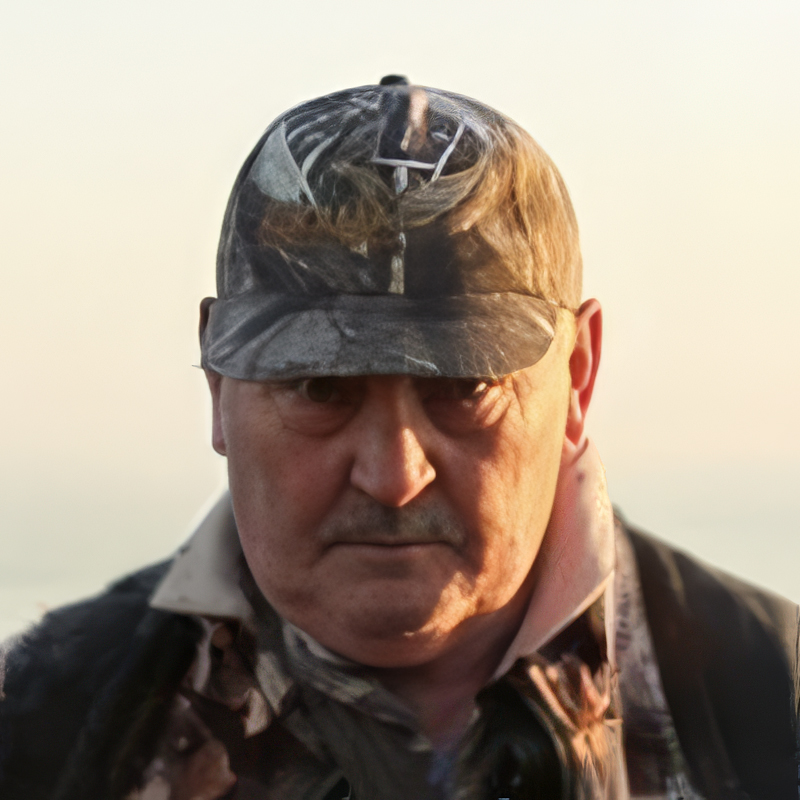
A Kent wildfowler with more than 40 years on the North Kent marshes, Alan is chairman of the Kent Wildfowling & Conservation Association, the largest wildfowling club in the country, and has driven its programme of freehold land purchases across the Medway estuary, the Swale, Essex, Sussex and north Norfolk. He was a founder member of BASC’s wildfowling liaison committee in 1984, was elected to BASC council in 1989, became vice-chairman in 1997 and chairman in 2002. He is particularly fond of tide flighting and decoying duck in the North Kent estuaries, and has shot abroad in South Africa, Canada and the United States. Alan is the author of several wildfowling books, among them Wildfowling: A Winter’s Tale, Wildfowling Ways, Wildfowling Tales, When the Wind Blows and A Wildfowler’s Year, as well as Shooting at Clays.
 Closes 15 JanuaryWorth £129.90Win a pair of tickets to the British Shooting Show 2027Enter nowFree to enter
Related Articles

Jottings for wildfowlers: two boys and their first Canada geese in a Cornish maize field
Two boys who shot their first ducks on the same day take to a Cornish maize field to try for their first Canada geese, writes James Green
By James Green | 18 November 2026

Call of the Marsh: filmmaker Dr Robbie Kroger on why Britain’s wildfowlers deserve a global stage
The man behind Call of the Marsh, Dr Robbie Kroger, tells Martin Puddifer why Britain’s wildfowlers deserve a global stage
By Martin Puddifer | 17 November 2026
Get the latest news delivered direct to your door
Subscribe to Shooting Times & Country
Discover the ultimate companion for fieldsports enthusiasts with Shooting Times & Country Magazine, the UK’s leading weekly publication that has been at the forefront of shooting culture since 1882. Subscribers gain access to expert tips, comprehensive gear reviews, seasonal advice and a vibrant community of like-minded shooters.
Save on shop price when you subscribe with weekly issues featuring in-depth articles on gundog training, exclusive member offers and access to the digital back issue library. A Shooting Times & Country subscription is more than a magazine, don’t just read about the countryside; immerse yourself in its most authoritative and engaging publication.

