
Deer Matters: how to avoid hitting a deer, and what to do if the worst happens
With the risk of deer-vehicle collisions growing, here’s how drivers can avoid hitting a deer, and what they should do if the worst does happen
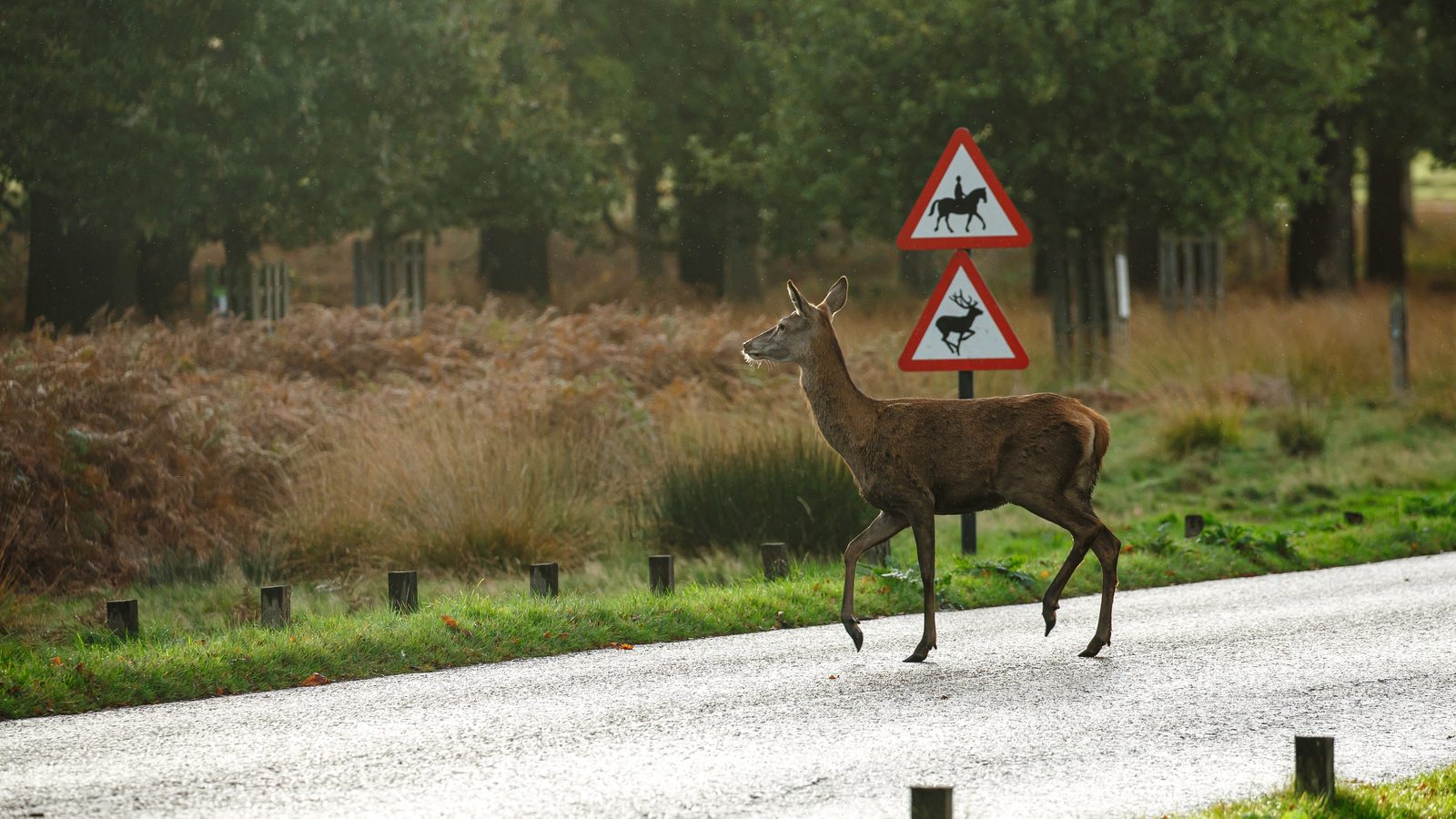

The British Deer Society (BDS) is regularly contacted by members of the public concerned about levels of collisions between deer and vehicles on their local roads and who wonder what they can do to help prevent them. Sadly, this is not a local issue as the national deer population has grown over the past few decades, increasing the risk of deer-vehicle collisions (DVCs). As the law does not consider wild deer to be anyone’s property there are no strict associated responsibilities, nor is there any legal requirement to report collisions if the only casualty is the deer.
Getting warning signs on your local roads
Anyone concerned about local levels of DVCs should consider approaching their local council’s roads or traffic department as a concerned resident, asking them to install appropriate warning signs or other traffic-calming measures. It’s worth stressing the risks to public safety that accompany DVCs in any communications.
Although the BDS is always available to advise local authorities on the presence of deer in specific areas, deer are now so widely distributed across so much of the country that it is likely that wildlife warning signs will only be considered for known road ‘hot spots’.
Current thinking is that temporary signs work much better than permanent ones. These are much more likely to be noticed by drivers providing they are only used for short periods of time. They are also easier to get authority to put up as they do not require the same permissions as a permanent sign.
How to avoid hitting a deer
As drivers are now likely to encounter deer in most places, the best defence against a DVC is driver caution. Dawn and dusk are significant danger times, especially at this time of year when peak traffic flow coincides with increased daily deer movements, though deer could be encountered on our roads at any time of day.
Take special care if you see a deer, as it may well be accompanied by more, and don’t swerve to avoid one. Although it’s a natural reaction, it could endanger other road users or cause you to collide with something else. The BDS offers more advice to drivers, which can be readily accessed on our website at bds.org.uk.
What to do if you hit a deer
The golden rule for anyone involved in a DVC is to consider the safety of themselves and anyone else present first. Before taking further action, make sure that you are parked in a safe place with your hazard lights on and use any other safe means possible to warn other traffic of potential danger.
Unless you have appropriate training or experience it’s never advisable to approach or try to move an injured deer as it can lash out and inflict injuries, so this is always best left to a trained specialist. A deer that is only stunned, or not seriously disabled, could be startled by the sudden appearance of a human into running into the road and causing another accident.
Even if you have the means to deal with the situation yourself it is still best to await the arrival of an authorised person. Do be aware that discharging a firearm at the roadside without appropriate authority might have serious safety implications or could lay you open to prosecution.
Police callout schemes for injured deer
Anyone unfortunate enough to experience or witness a DVC should be aware that many constabularies now operate callout schemes for deer injured on the roads using trained and insured volunteers, often local stalkers and gamekeepers. Calling the non-emergency 101 number allows the police control room to task an appropriately qualified and experienced person to attend to the situation without delay.
If there is any danger to human life involved it might often be more appropriate to call 999. Although other options might include contacting a local vet, the RSPCA or another animal rescue organisation, in many cases they may not be able to be on the scene quickly.
The British Deer Society brings people together for deer through education, training, research and advocacy. As an independent charity, its work is made possible by members who care about the future of wild deer and their habitats. Find out more at bds.org.uk.
Frequently asked questions
When are deer-vehicle collisions most likely?
Dawn and dusk are significant danger times, especially in autumn and winter, when peak traffic coincides with increased daily deer movements. Deer can be met on the road at any time of day.
Should you swerve to avoid a deer?
No. Although it is a natural reaction, swerving could endanger other road users or cause you to collide with something else. Take special care, as one deer may well be accompanied by more.
Who should you call if you hit a deer?
Call the police on the non-emergency 101 number. Many forces run callout schemes using trained, insured volunteers such as local stalkers and gamekeepers. If there is any danger to human life, call 999.
Do you have to report hitting a deer?
There is no legal requirement to report a collision if the only casualty is the deer, because the law does not consider wild deer to be anyone’s property.

About the author
Charles Smith-Jones
A lifelong naturalist and countryman, Charles has studied and worked with deer for more than 40 years and is technical adviser to the British Deer Society, having also served as one of its trustee directors. A full Army career was followed by ten years lecturing in game and wildlife management at Sparsholt College in Hampshire, where he taught a generation of gamekeepers and countryside managers, and he now offers an independent consultancy on deer matters. He has held positions from deer manager to secretary and national deer adviser within Defence Deer Management. He is the author of five books, four of them about deer, including Muntjac: Managing an Alien Species, The Deer Stalker's Bedside Book, Between the Coverts, Practical Deer Management and A Guide to the Deer of the World.
 Closes 15 JanuaryWorth £129.90Win a pair of tickets to the British Shooting Show 2027Enter nowFree to enter
Related Articles
Stalking diary: a battle-scarred red stag at the height of the rut
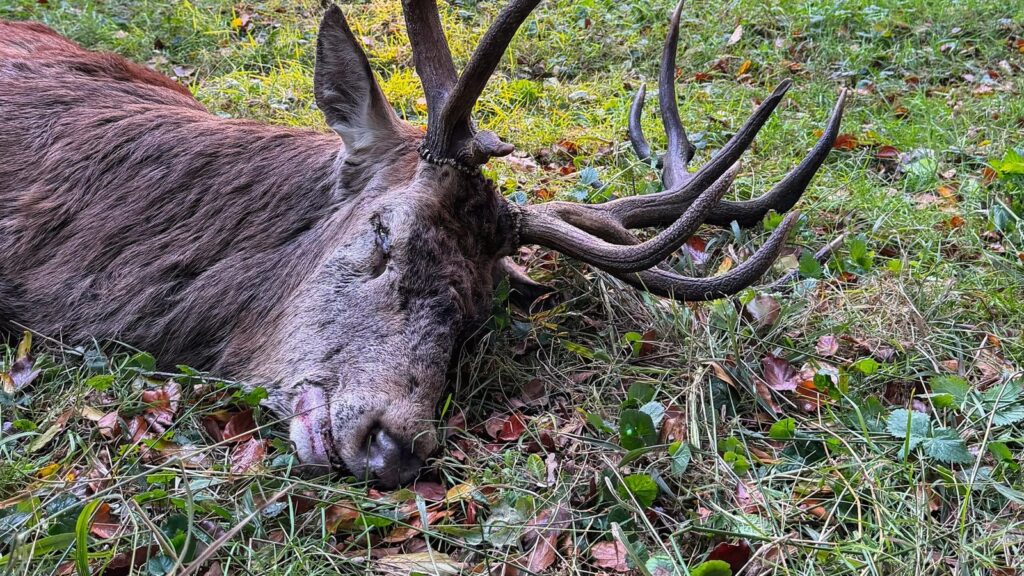
A battle-scarred stag that has lost his hinds proves the right choice as three rival stags roar in the big wood at the height of the autumn rut
By Chris Rogers | 18 November 2026

Hunters’ money brings the kob home: how Karamoja got its antelope back after 60 years
For the first time in some 60 years, Uganda kob are grazing the plains of Pian Upe, the wild country that made ‘Karamojo’ Bell’s name. A London gunmaker, a Texan hunting club, a tenacious outfitter an...
By News Desk | 12 November 2026
Get the latest news delivered direct to your door
Subscribe to Shooting Times & Country
Discover the ultimate companion for fieldsports enthusiasts with Shooting Times & Country Magazine, the UK’s leading weekly publication that has been at the forefront of shooting culture since 1882. Subscribers gain access to expert tips, comprehensive gear reviews, seasonal advice and a vibrant community of like-minded shooters.
Save on shop price when you subscribe with weekly issues featuring in-depth articles on gundog training, exclusive member offers and access to the digital back issue library. A Shooting Times & Country subscription is more than a magazine, don’t just read about the countryside; immerse yourself in its most authoritative and engaging publication.

