

Hunters’ money brings the kob home: how Karamoja got its antelope back after 60 years
For the first time in some 60 years, Uganda kob are grazing the plains of Pian Upe, the wild country that made ‘Karamojo’ Bell’s name. A London gunmaker, a Texan hunting club, a tenacious outfitter and one family from Indiana paid to bring around 200 of them home, and the lesson for anyone who manages land for game is the one they already know: the people who shoot are the people who pay
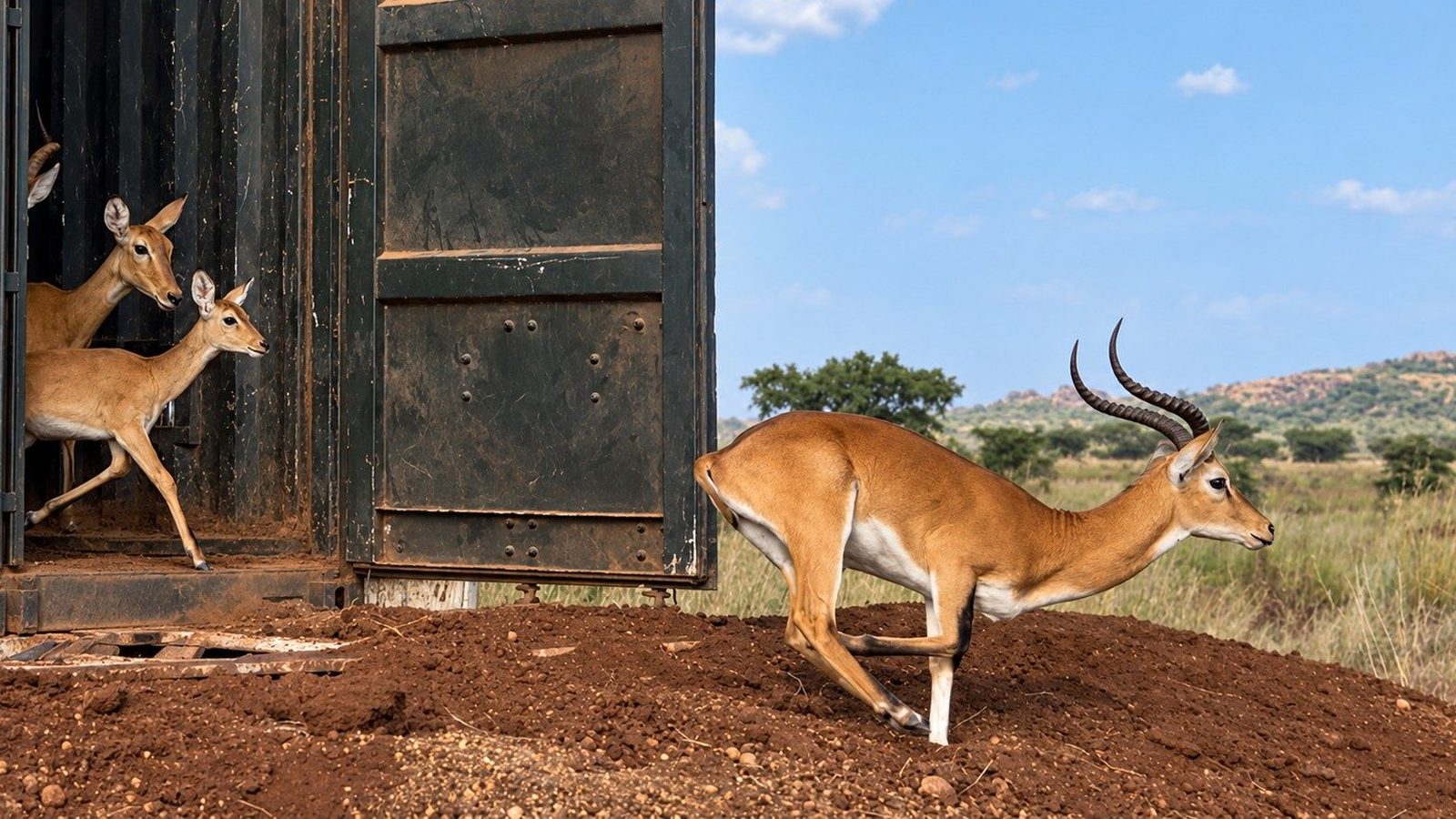

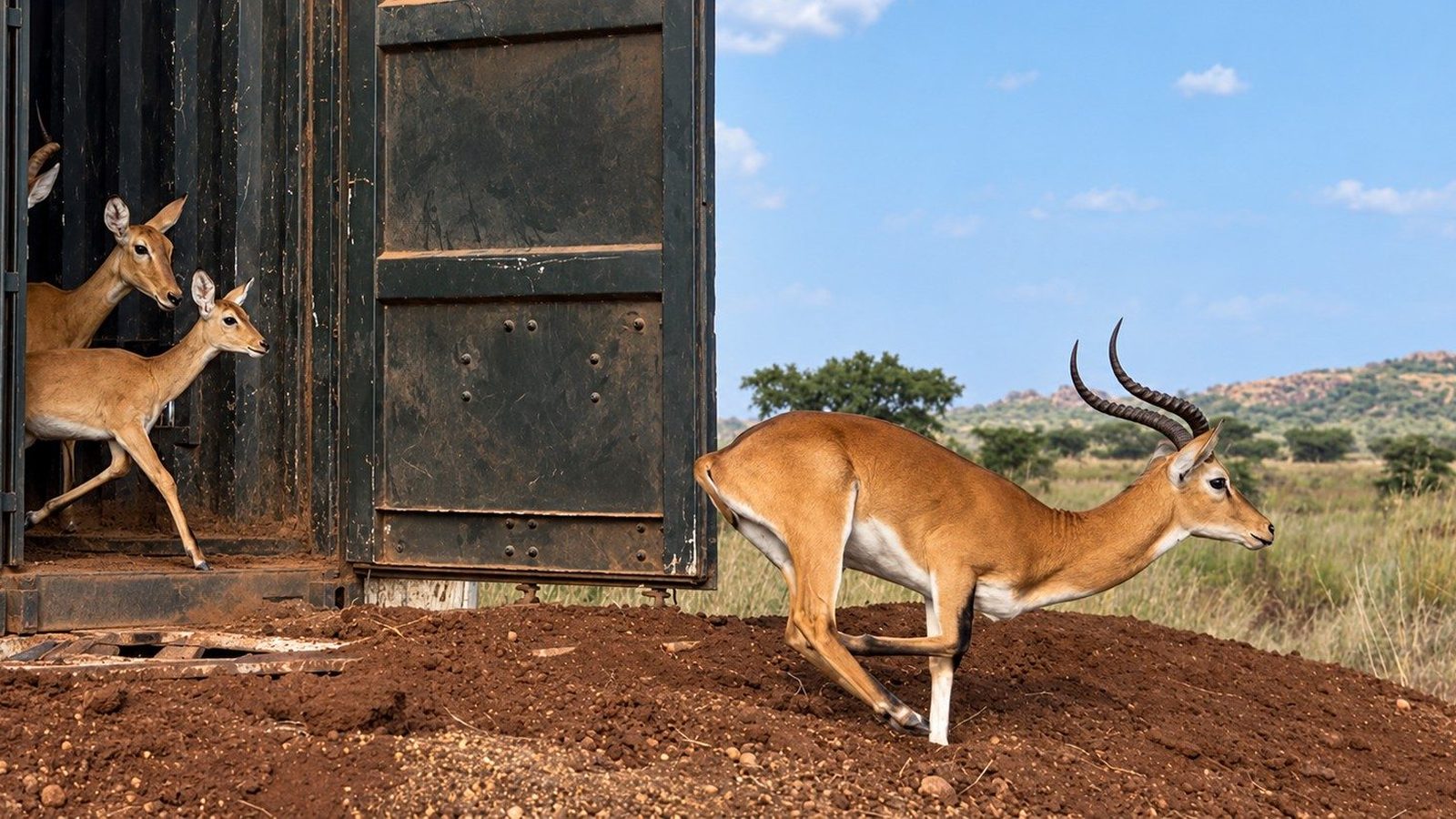
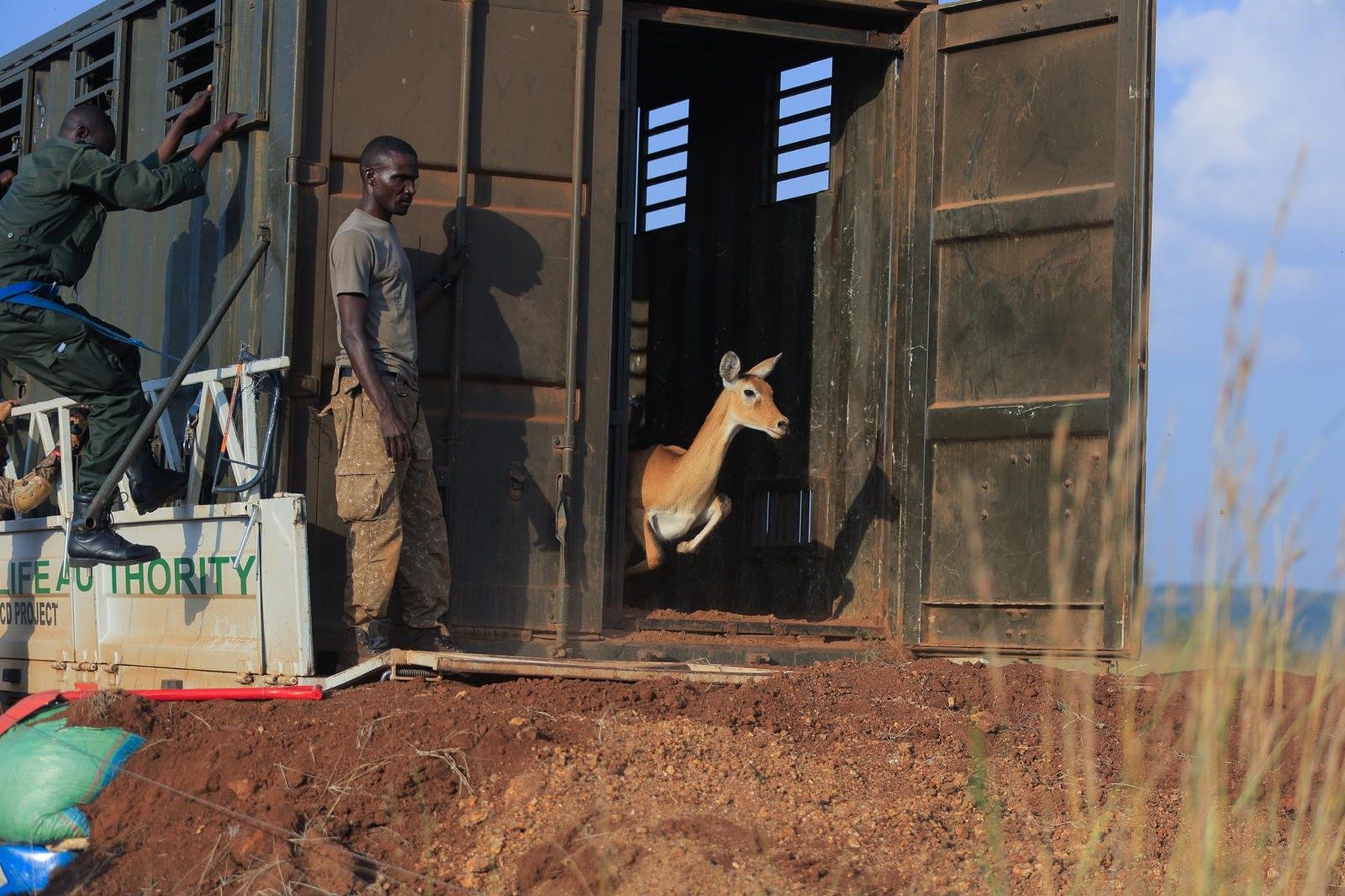
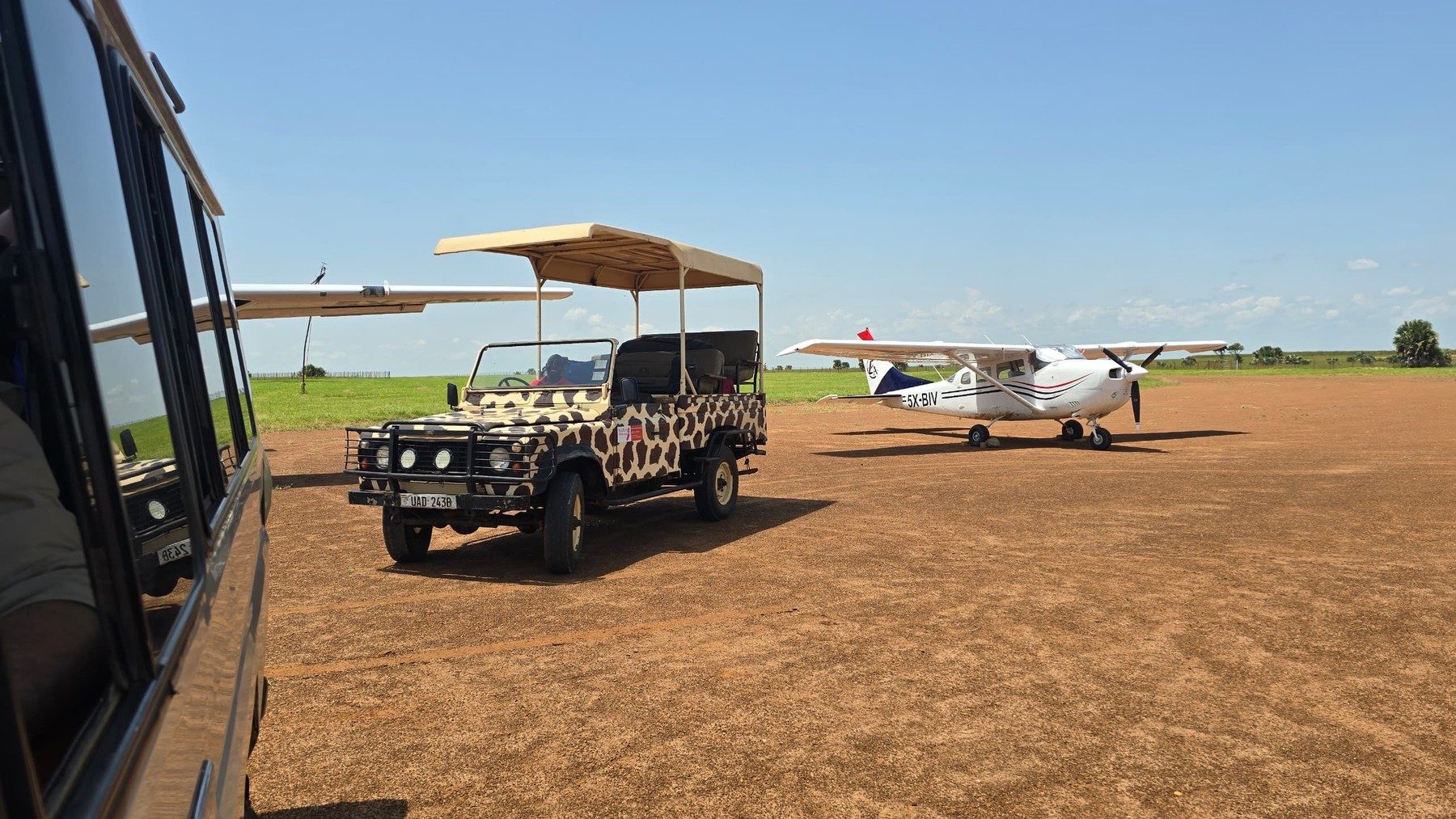
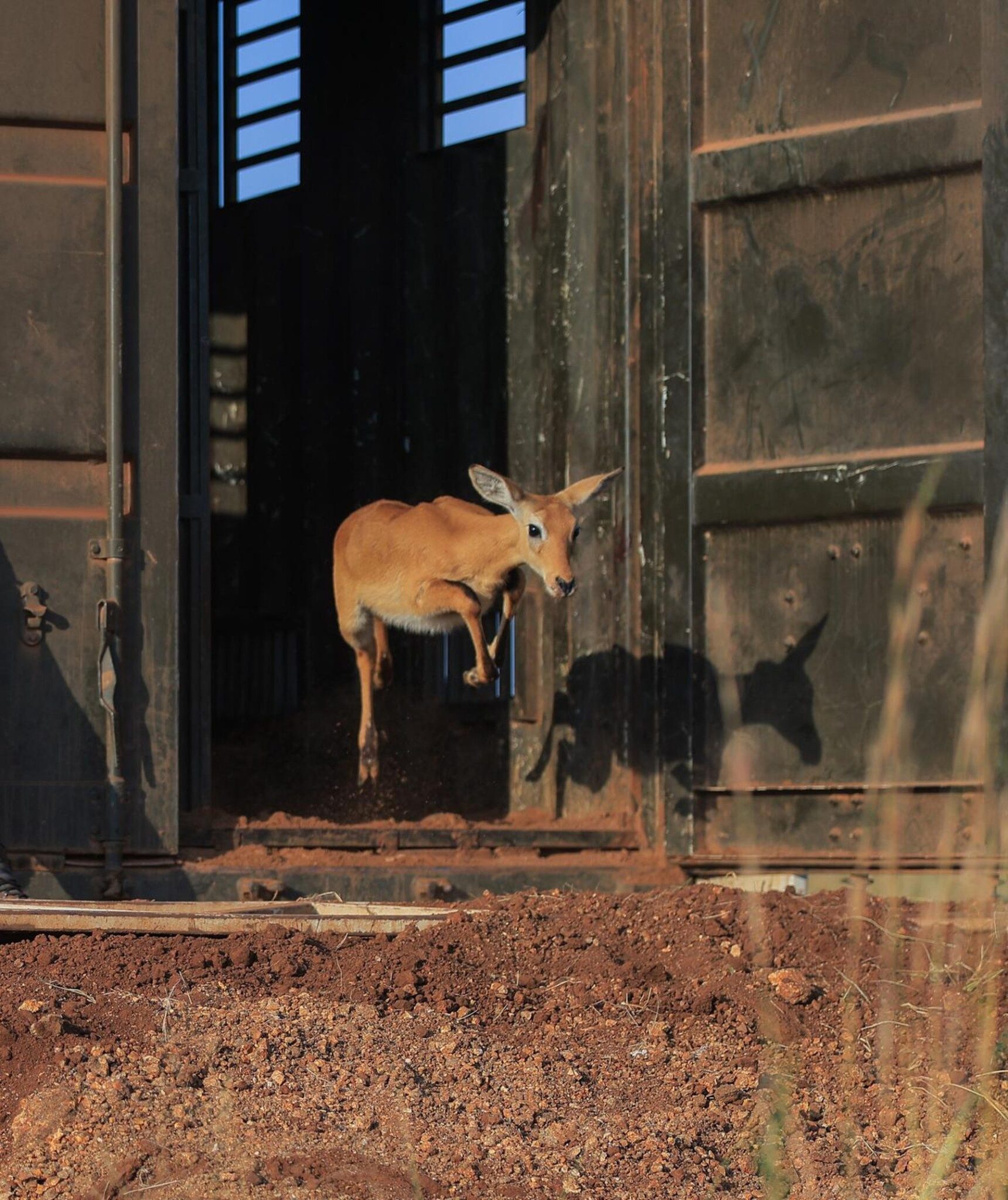
In August 2026 the doors of a Uganda Wildlife Authority truck opened on the red earth of Pian Upe Wildlife Reserve, in the far north-east of Uganda, and the first Uganda kob to set foot in Karamoja in some 60 years came out at a run. They had been captured on the grasslands of Murchison Falls National Park and driven across the country to ground their kind had not grazed since the 1960s. Ade Langley, the outfitter who has run the hunting at Pian Upe since 2013, had spent seven years getting them there.
Nobody who manages land for game in Britain will need the moral of this story explained to them, because it is the one they live by: the people who shoot are the people who pay. John Rigby & Co, the London gunmaker whose ledgers still carry W.D.M. ‘Karamojo’ Bell’s name, gave a rifle. Dallas Safari Club (DSC) and its foundation built the auction lot and made up the shortfall. Karimojong Overland Safaris (KOS) gave a hunt. Gordy & Sons, Rigby’s Houston dealer, helped assemble the lot. And a woman from Indiana raised her paddle in Atlanta because her son liked the rifle.
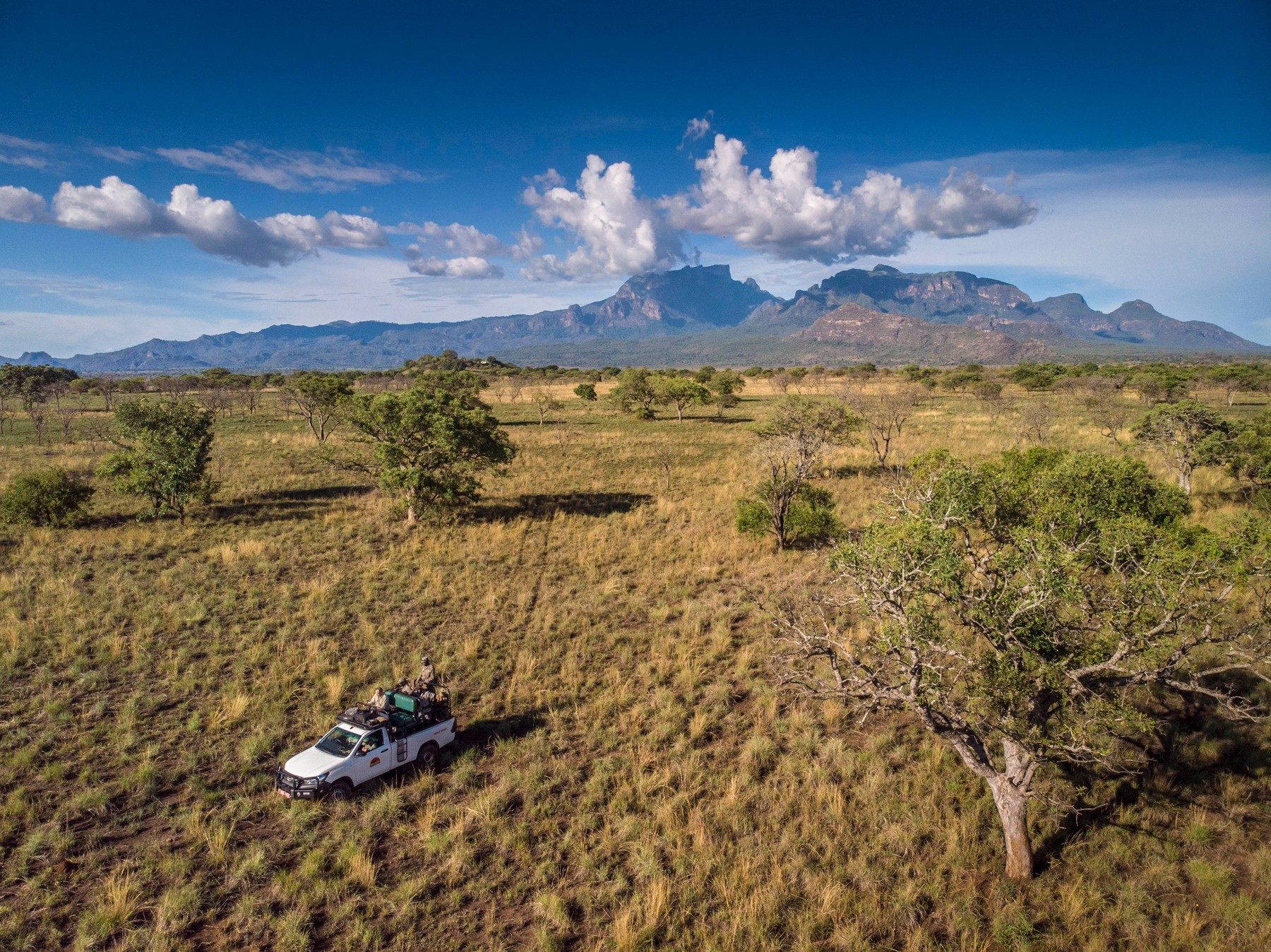
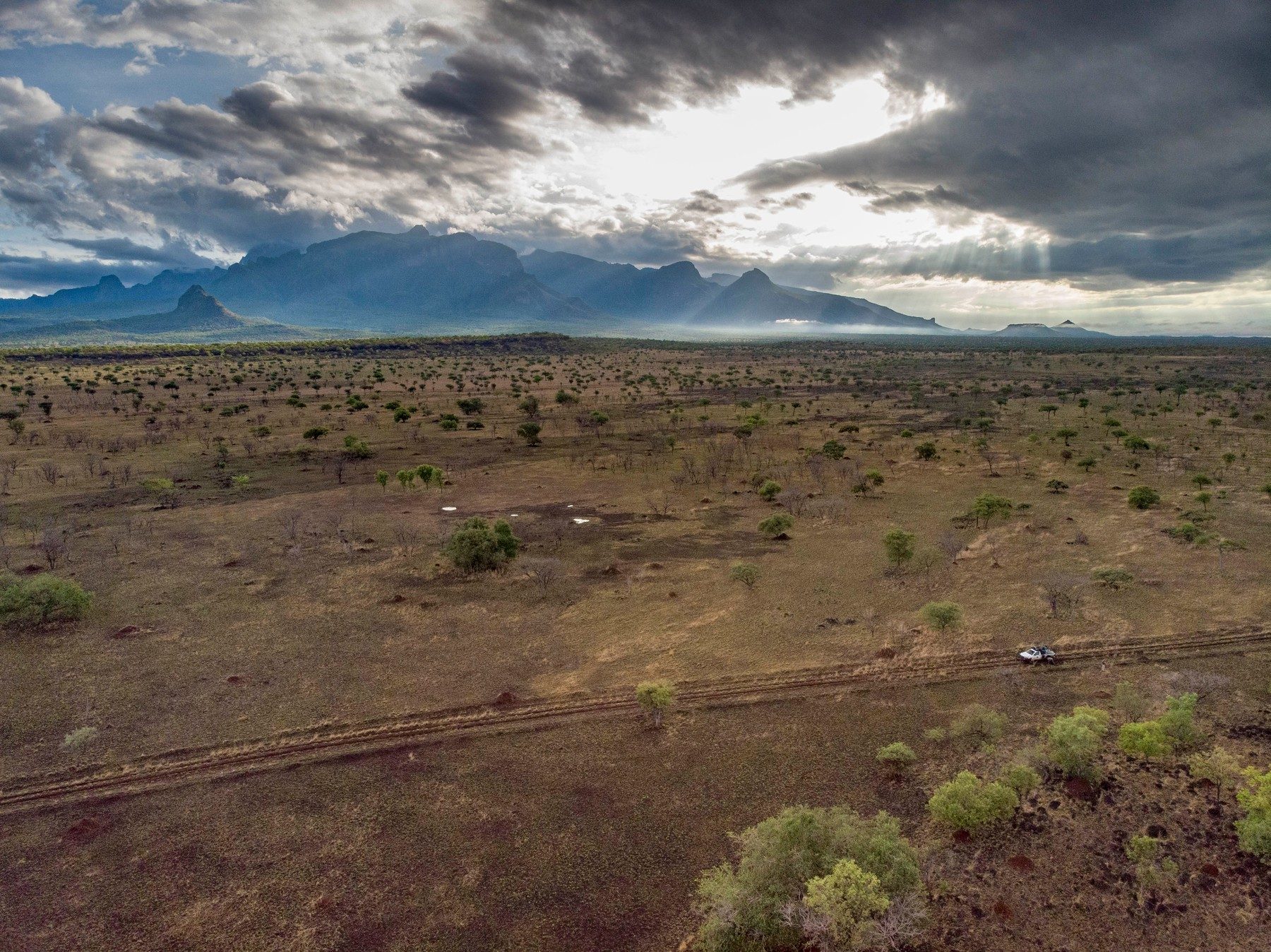
Pian Upe is the wild country that made Bell’s name. He hunted here between about 1902 and 1907 with his .275 Rigby, feeding a safari of more than 100 men on the game of these plains. Beneath Mount Kadam, the plains are kob country once more.
The antelope on the coat of arms
The Uganda kob (Kobus kob thomasi) is the antelope on Uganda’s coat of arms, a reddish-brown animal of which a good male weighs around 90kg and carries lyre-shaped, heavily ridged horns. The subspecies is famous for its leks, traditional mating grounds on which territorial males hold small patches of ground while the females choose among them.
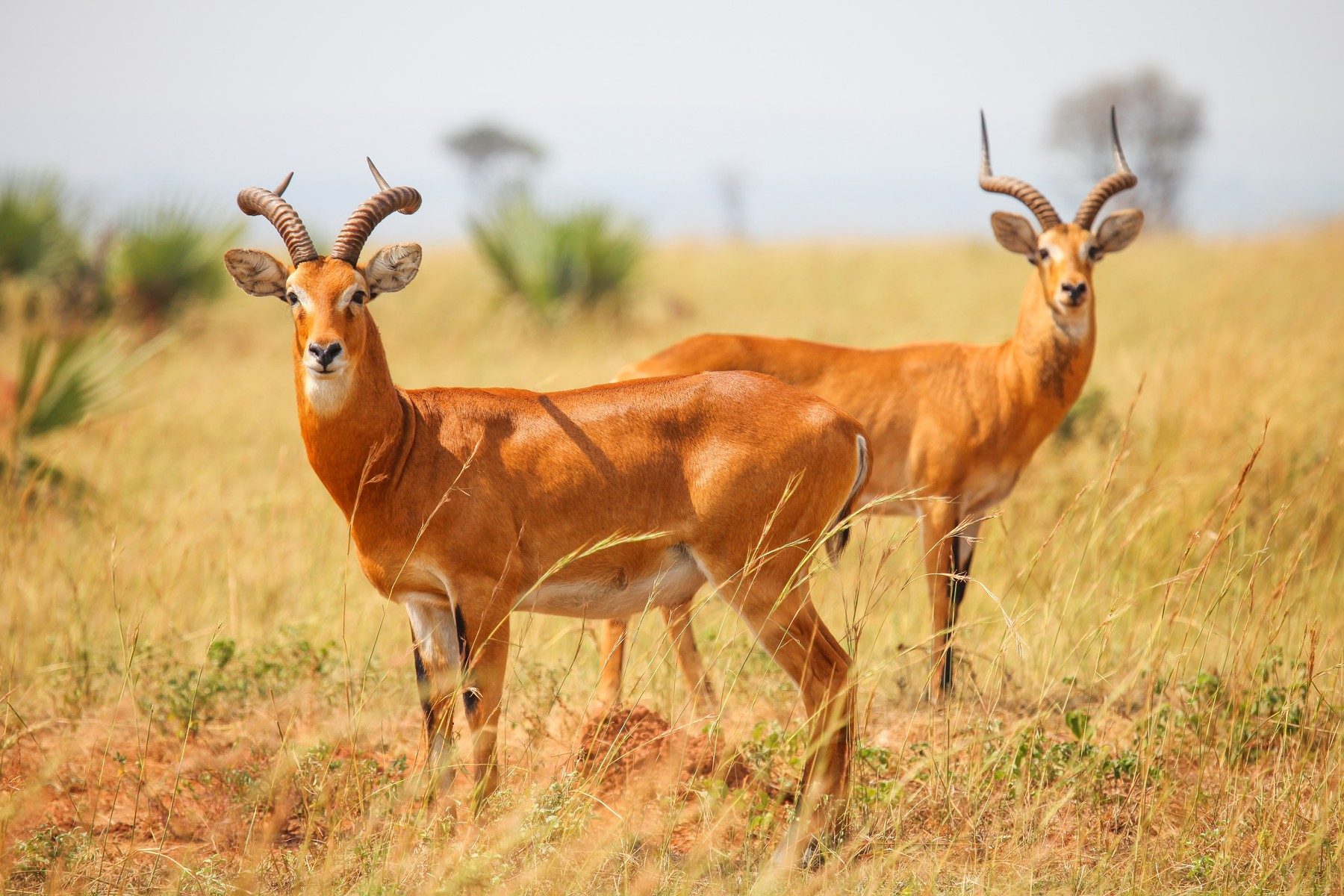
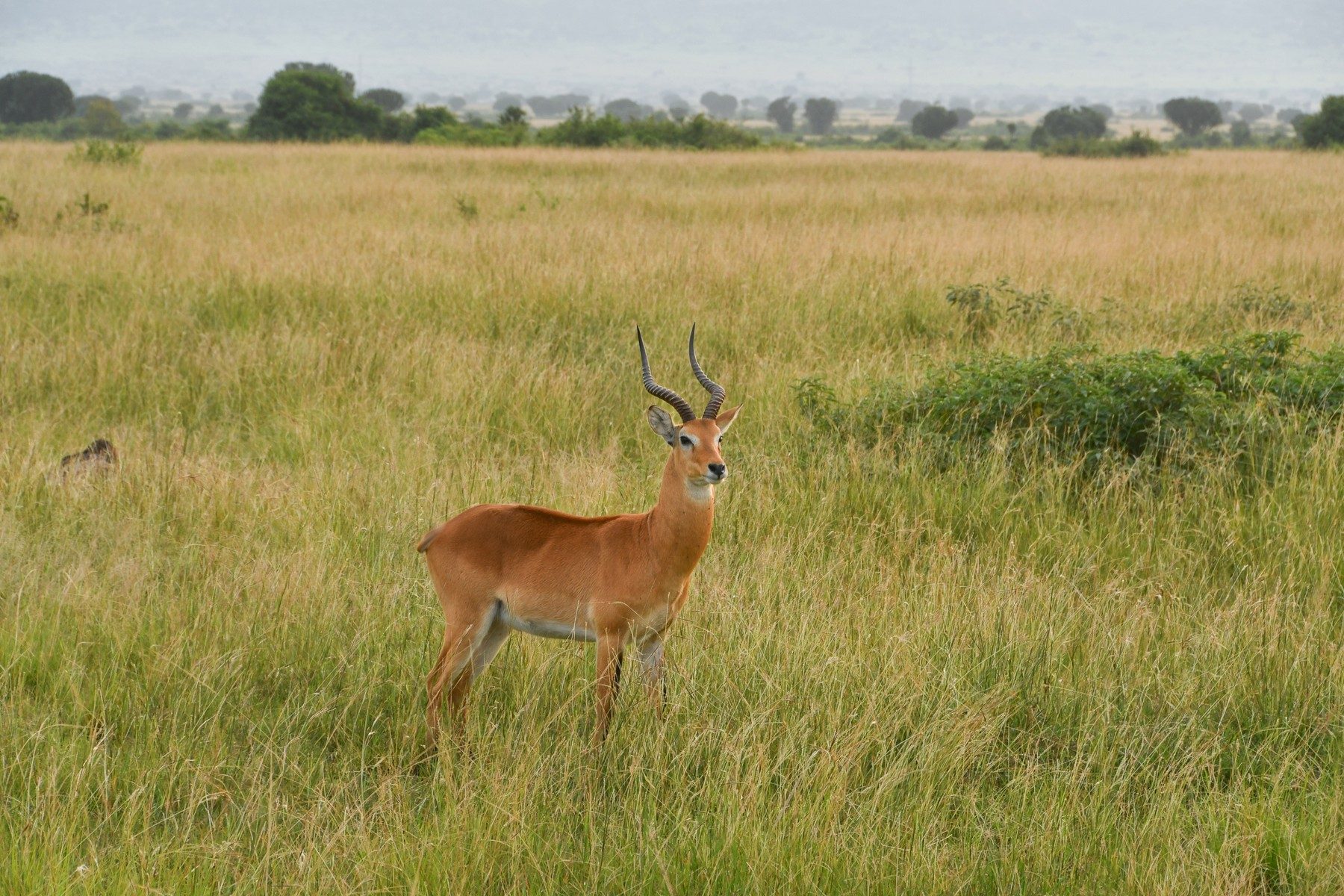
The International Union for Conservation of Nature lists the subspecies as Least Concern, but the figure that matters to anyone who has managed a wild population is a different one: about 98% of the kob that remain live inside national parks and reserves. The animal has been wiped out of Kenya and Tanzania altogether, and the principal threat is poaching. A docile antelope that holds its ground is easy meat for a snare.
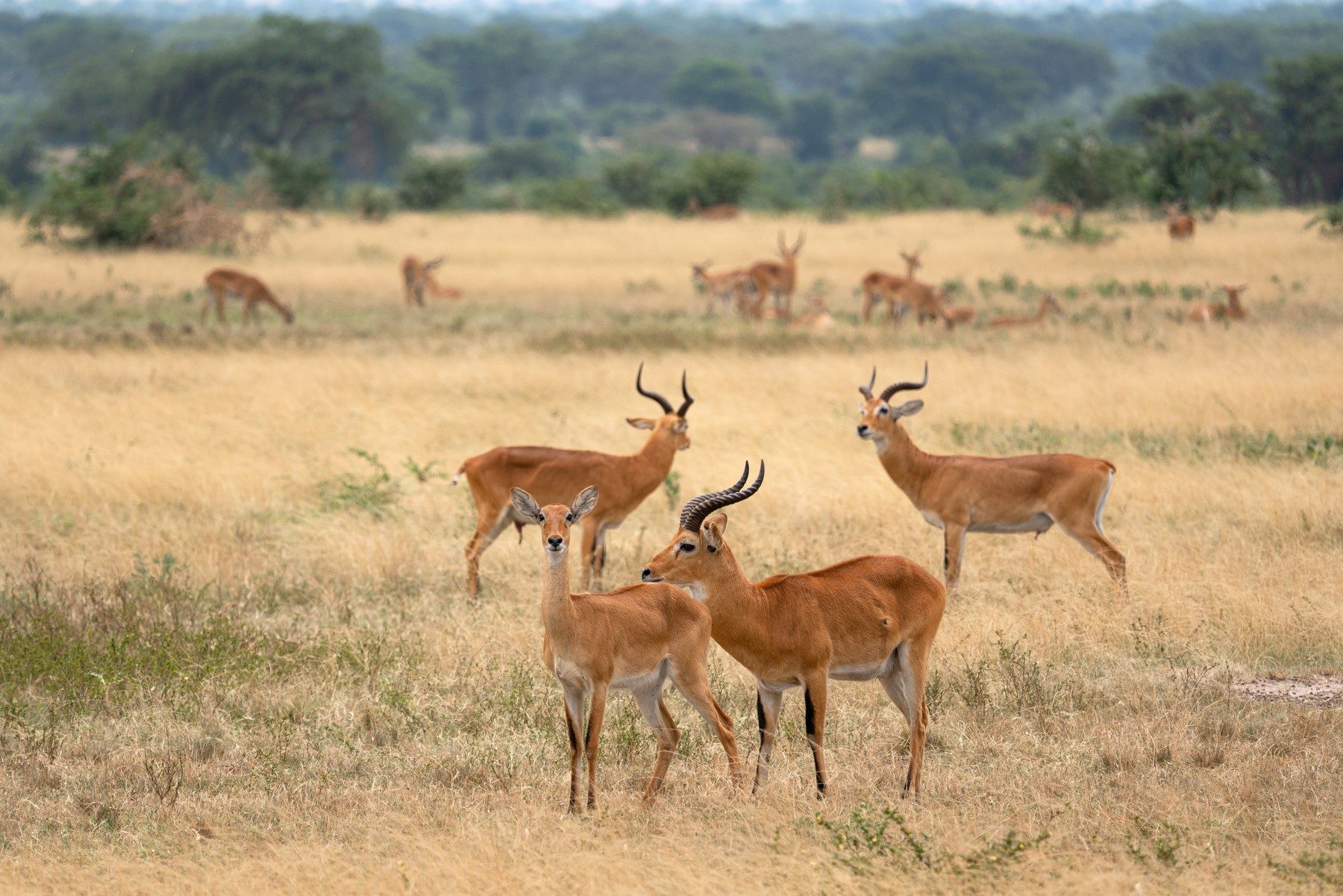
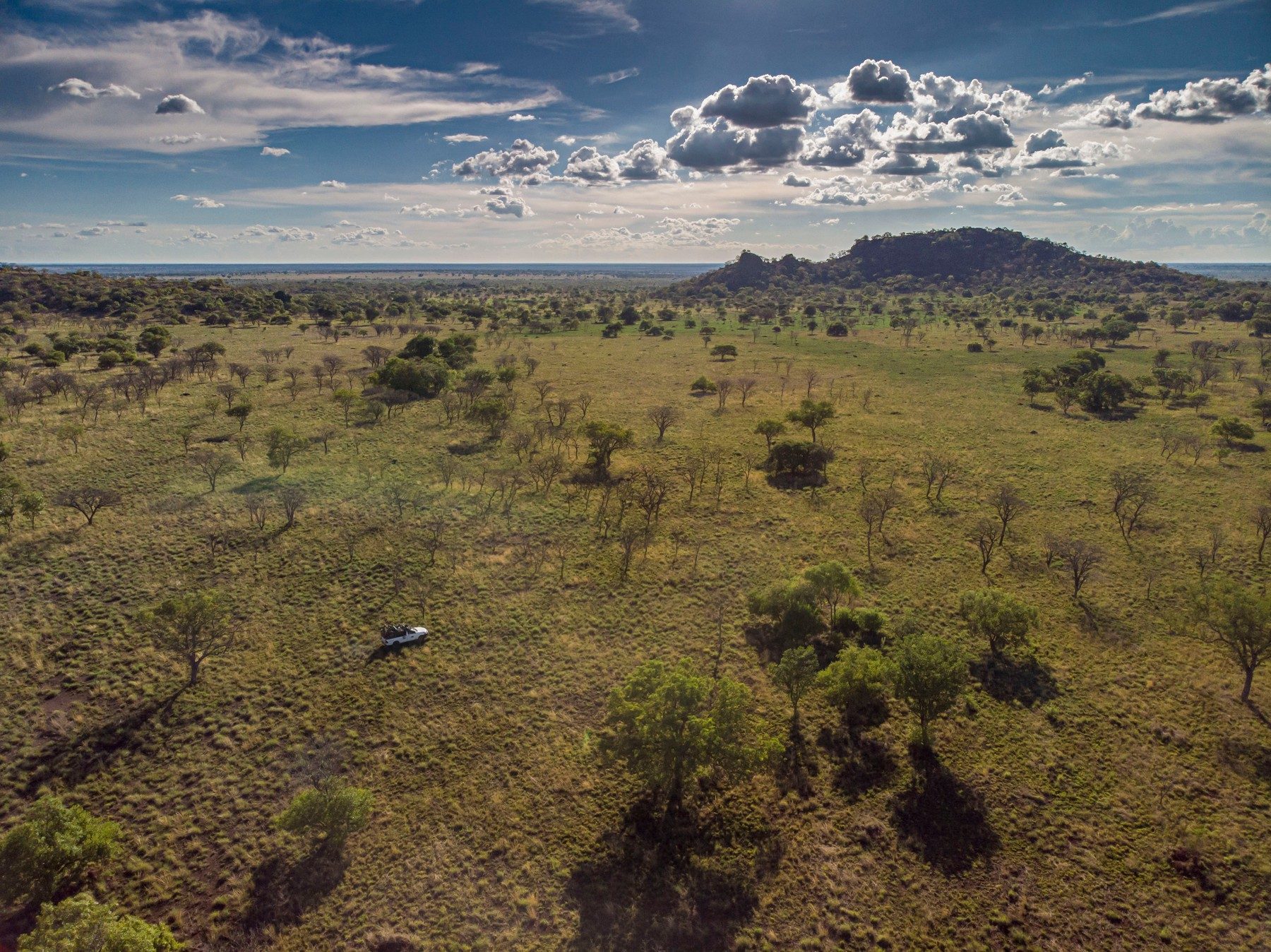
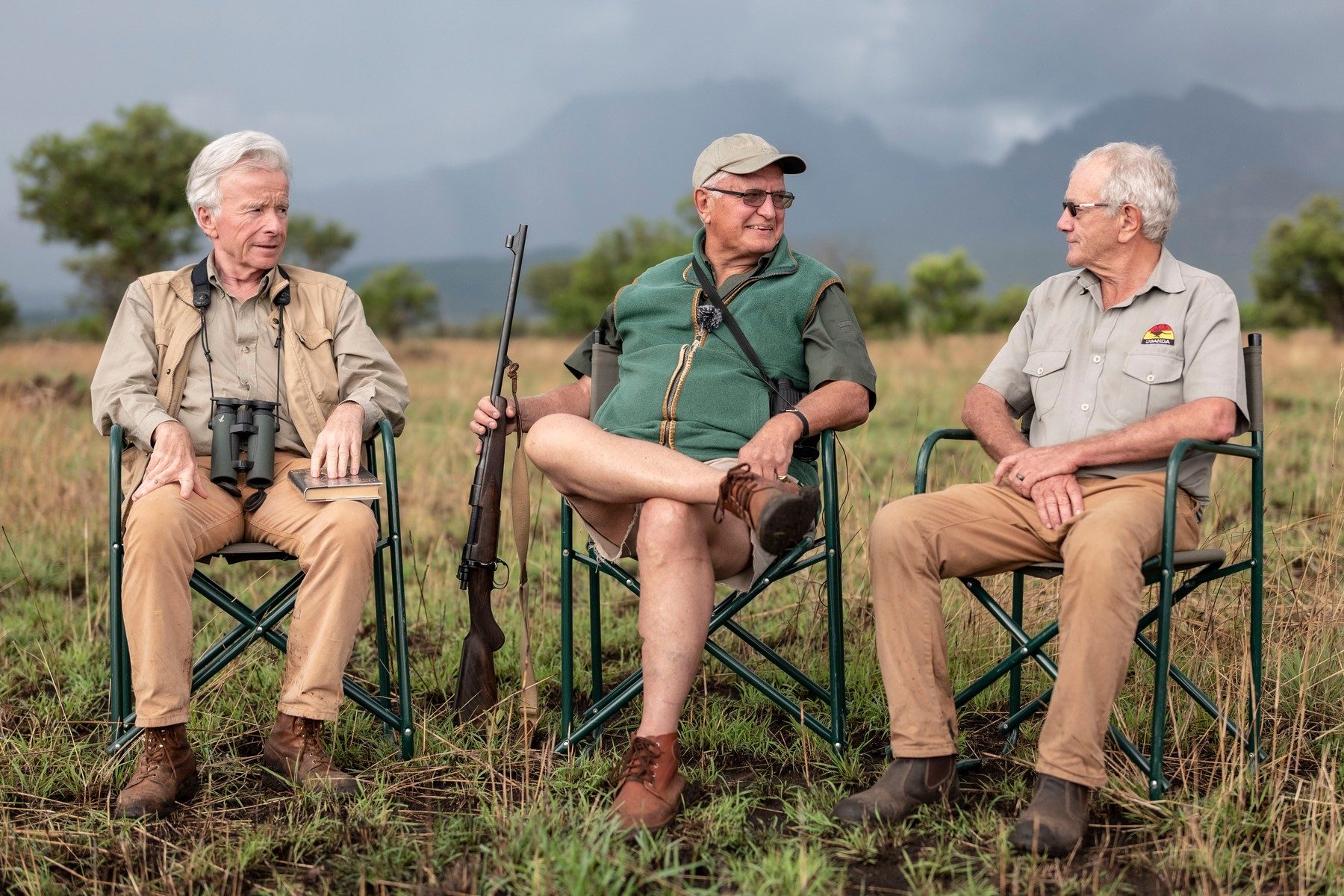
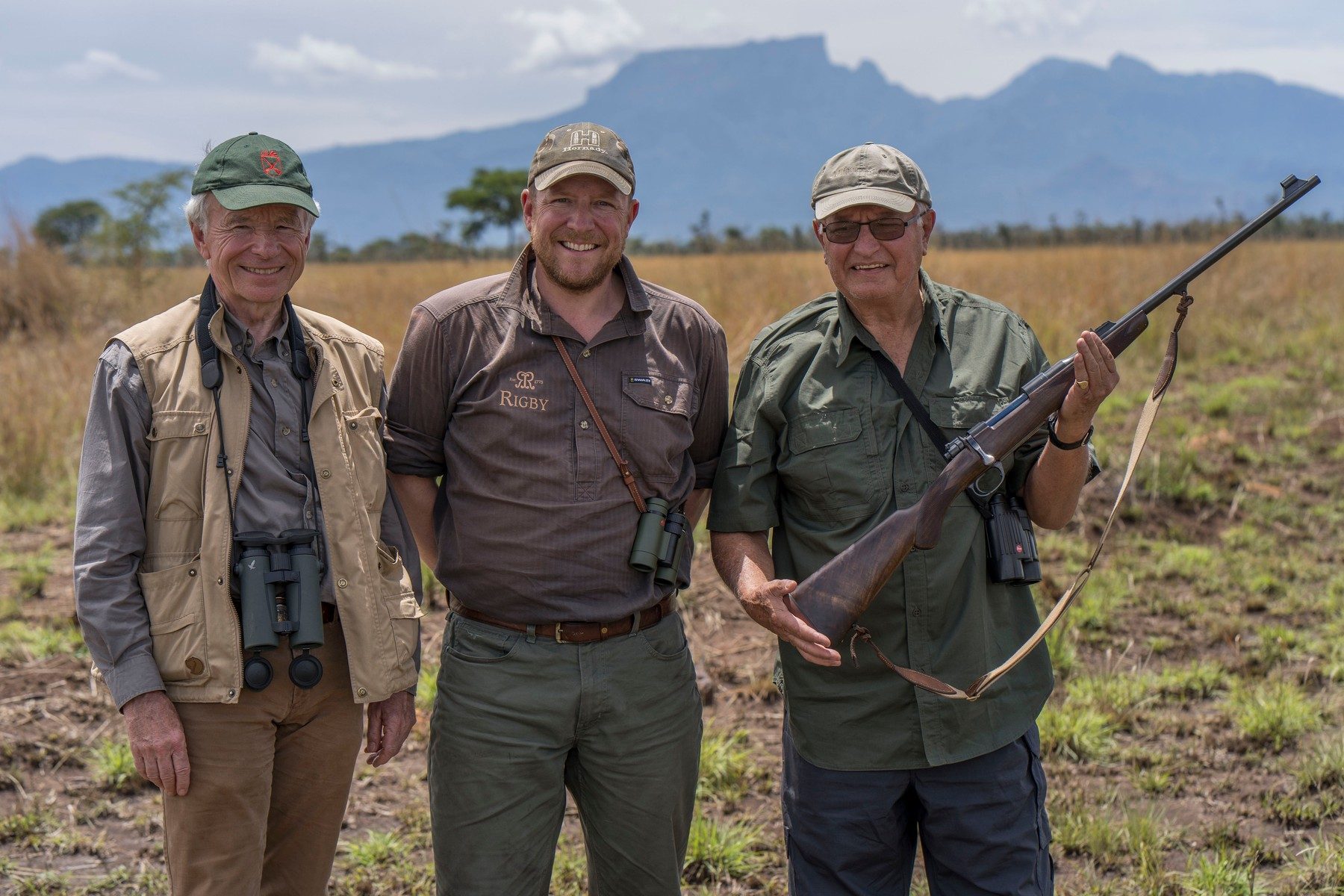
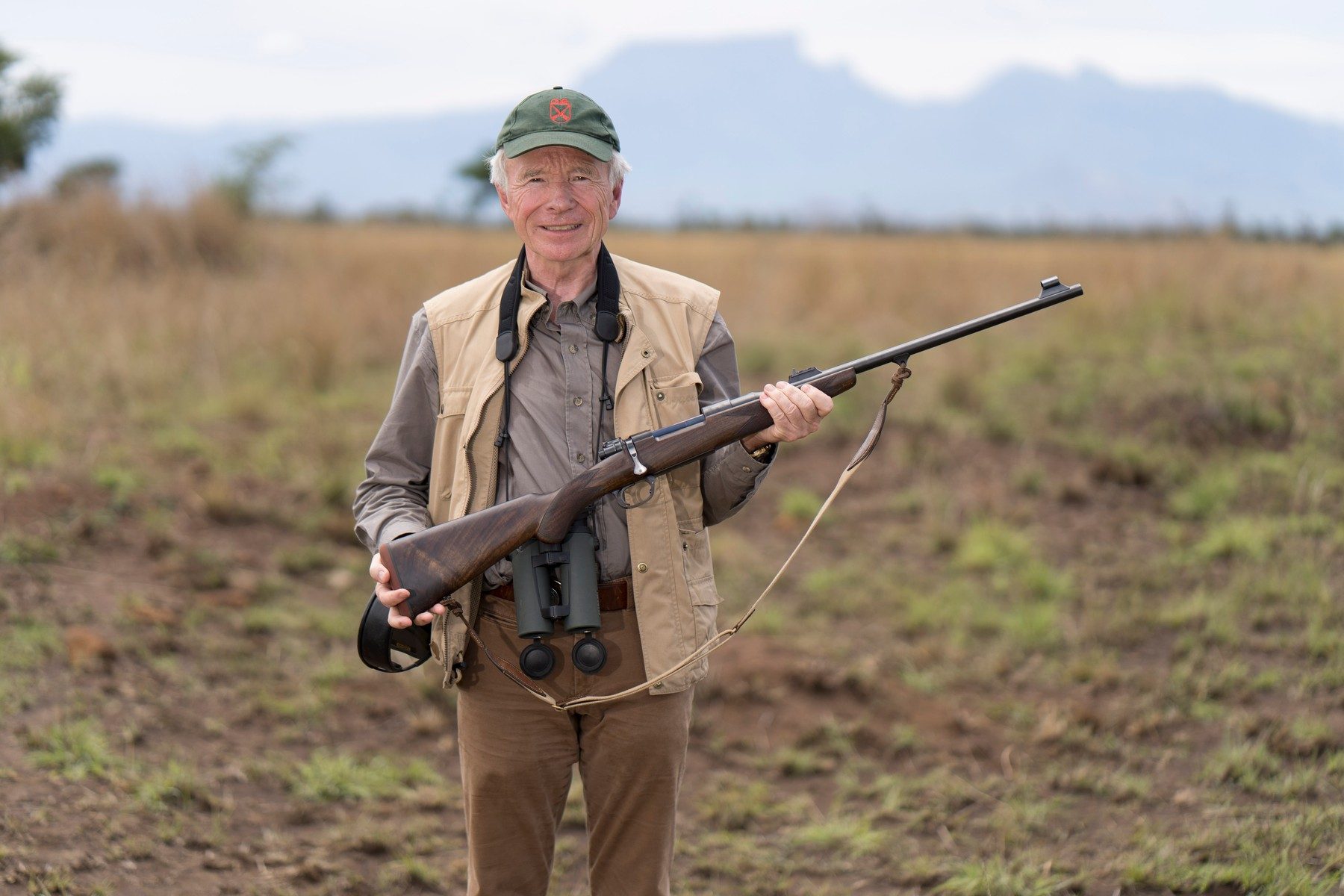
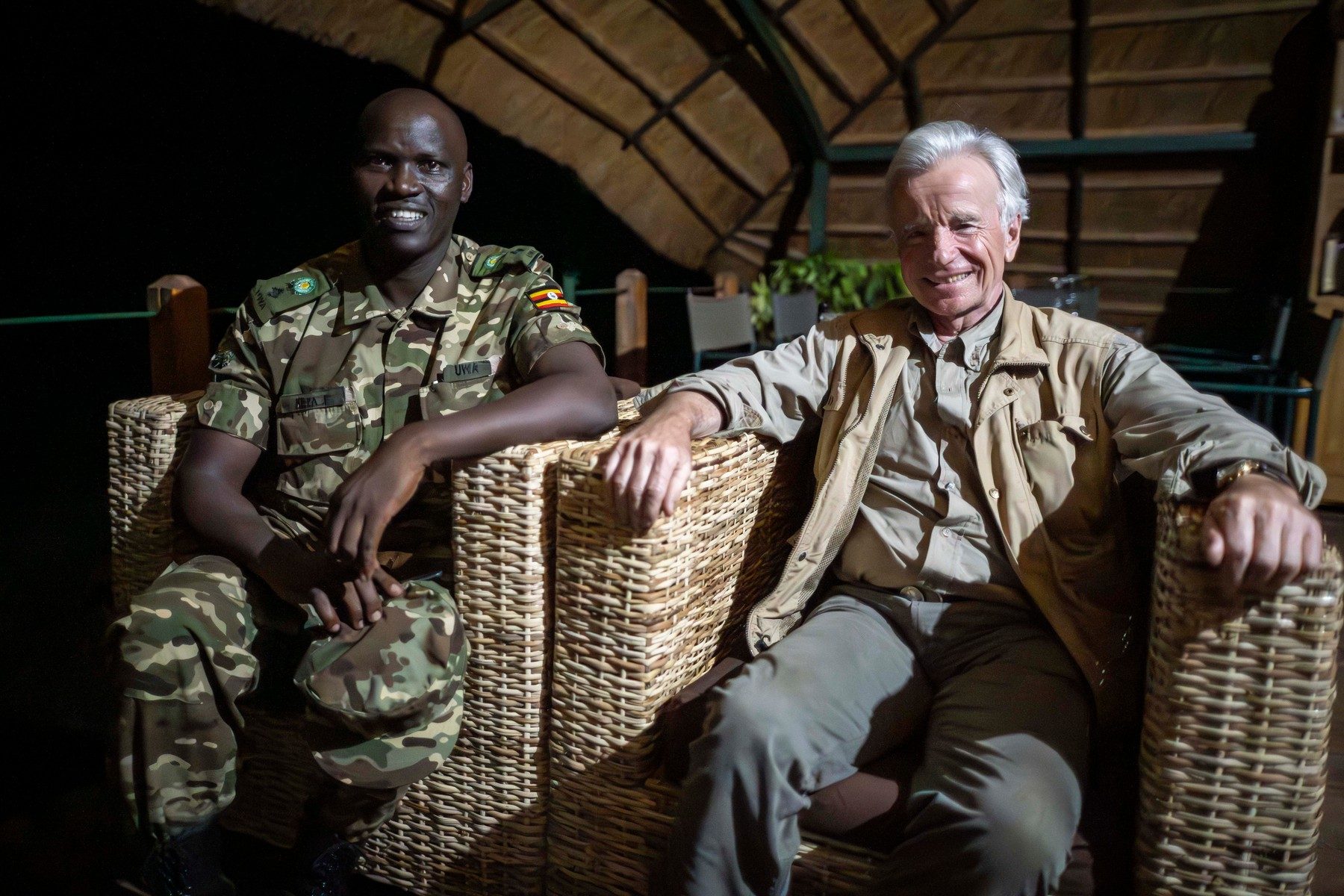
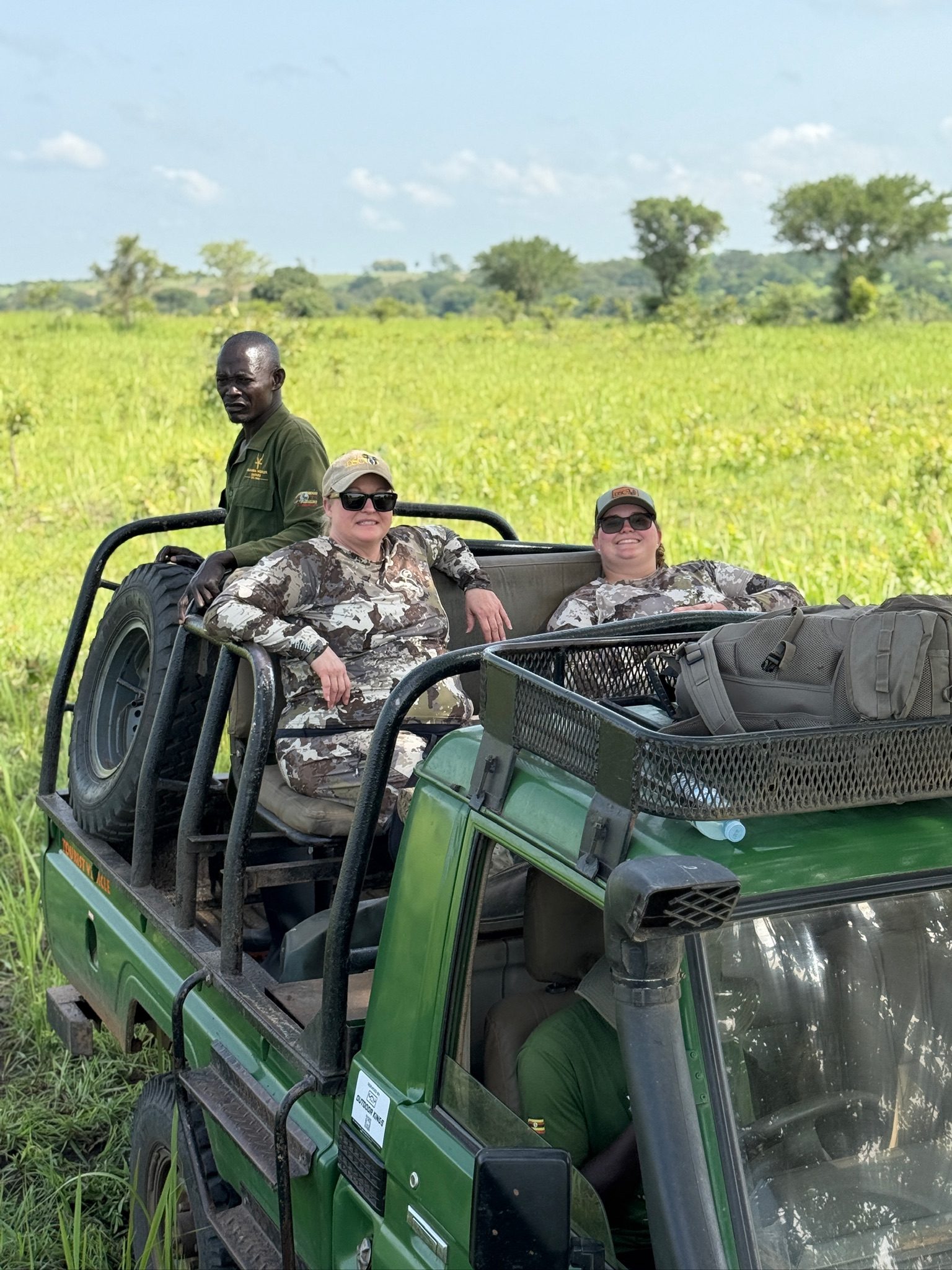
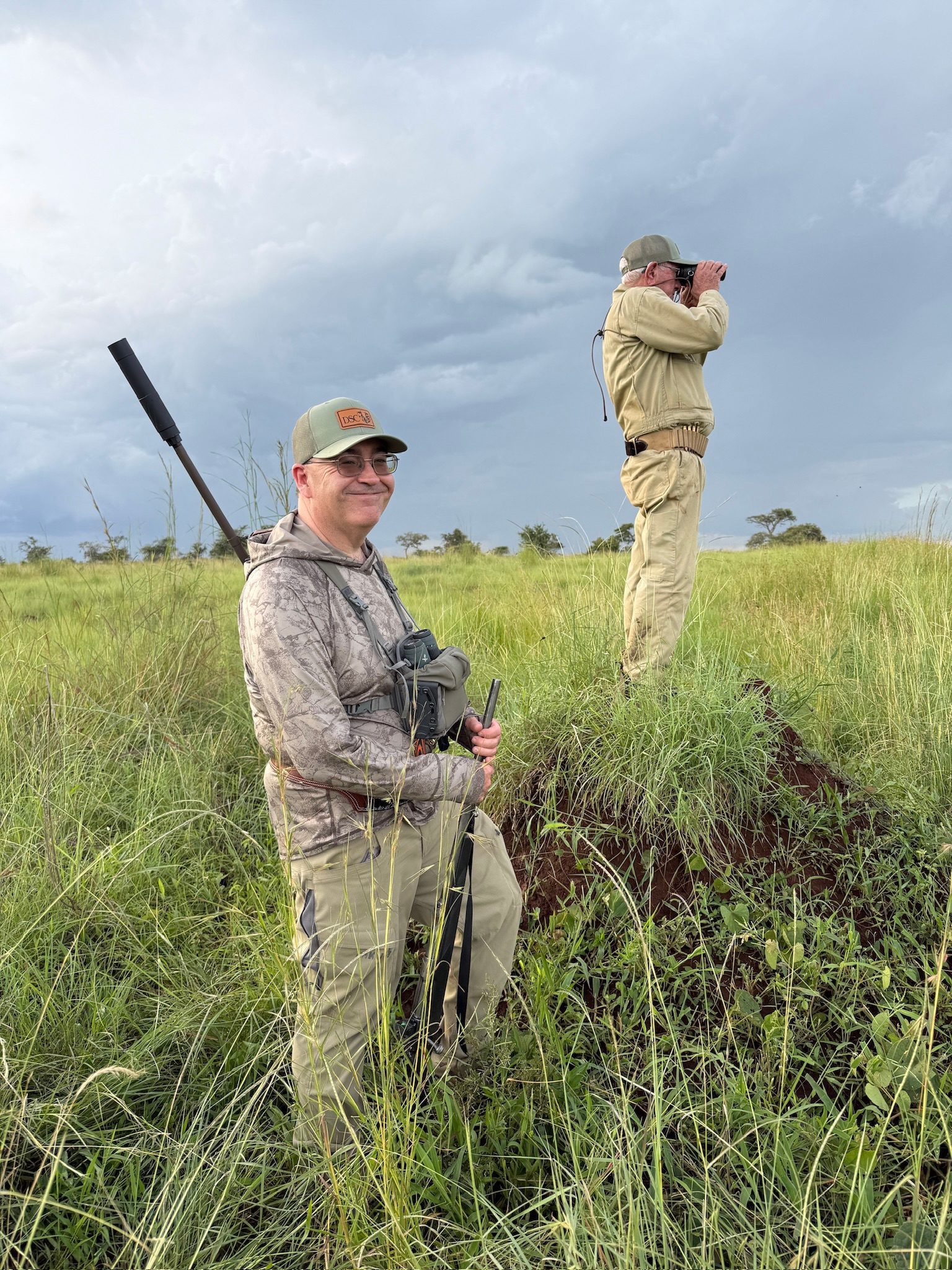
At Murchison Falls they saw the population the Pian Upe animals would be drawn from. “Huge herds,” Mary says. “So many kob.” They also saw what the kob are up against. Their guides found and pulled 10 or 12 wire snares out of the ground in front of them, and one of the animals they looked at carried the marks of one. “They pulled out 10 or 12 of them, right there,” she says. “It made the project feel more urgent.”
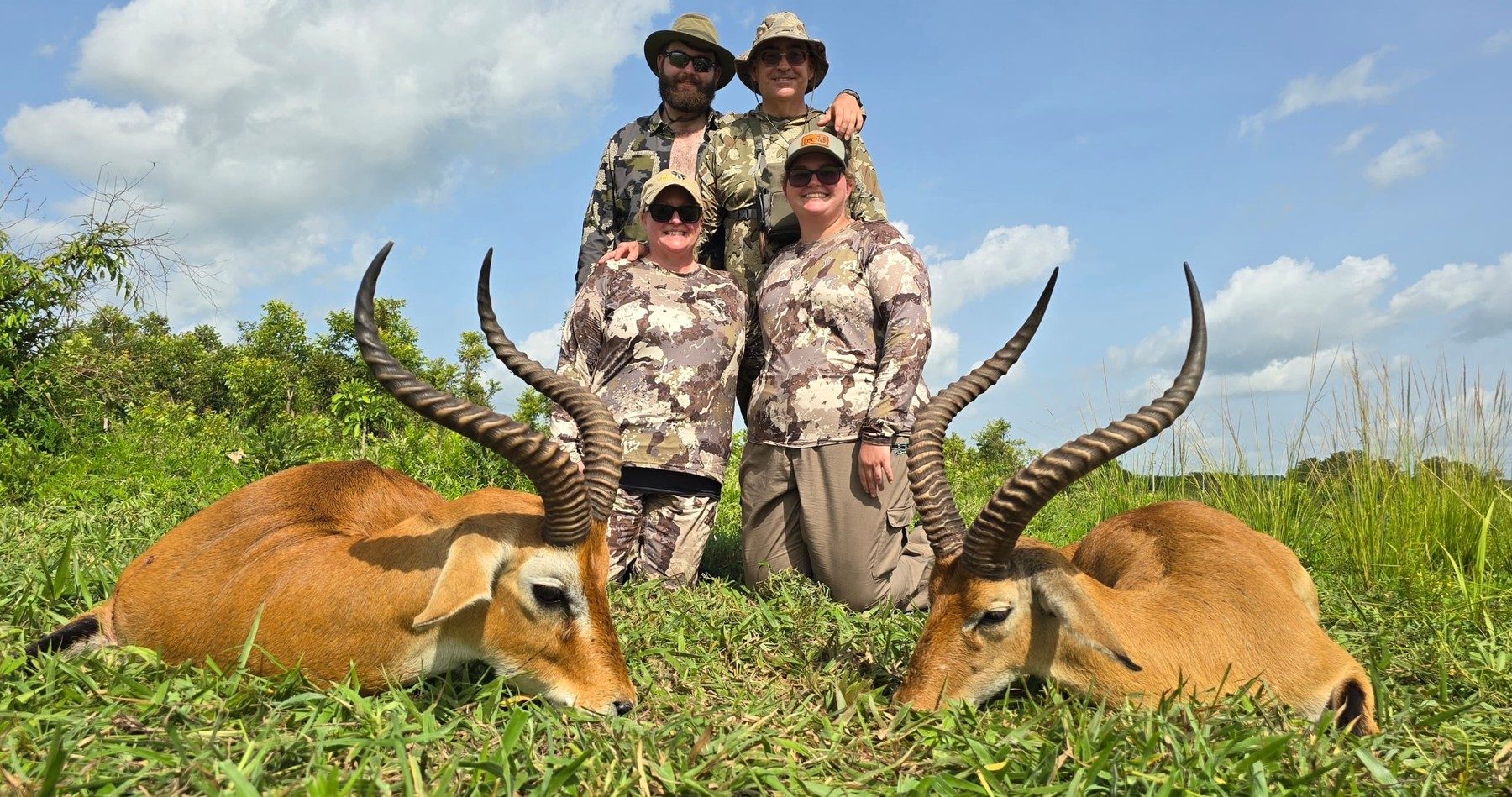
The Bell rifle did not come to Uganda. It stays in Indiana, in a cabinet alongside several other Rigbys the family owns. “That one was an unusual one,” Mary says. “We thought it would be a good one for the collection.”
Why Rigby
Rigby is 250 years old, and Marc Newton is clear about the responsibilities that come with the age and the name. “Many of Rigby’s patrons over the years were the founding fathers of conservation as we know it,” he says. “When Simon told me about an area in Karamoja linked to Bell, one of Rigby’s most famous customers, I said this sounds amazing. This is the kind of project where you get real satisfaction from seeing traction with the money. Whilst Rigby is a commercial enterprise, it is equally a British institution. A great deal of responsibility comes with that.”
“Rigby actually believes in it. We put our money where our mouth is,” he says. “Frankly, how can I look anyone in the face at a convention and sell them a rifle to go and hunt African wildlife if Rigby is not also going to play its part in supporting that wildlife? It all goes hand in glove.”
What comes next
Prince Albrecht zu Oettingen-Spielberg died unexpectedly in November 2025, aged 74. A physicist who led his house for five decades, he was known at home for his devotion to forestry and to the wildlife of his own woods. He hosted the campfire from which all of this grew, and he did not live to see the kob come home. His son Franz-Albrecht, who sat at that fire, has.
The new herd will be left undisturbed for at least five years while it establishes itself beneath Mount Kadam. If it thrives, a strictly limited, sustainably managed quota may one day follow, and the circle that every keeper and shoot owner understands will close: hunters’ money bringing back a huntable population that pays for its own protection.
Langley is already talking about buffalo.
“The biggest thing about it, for me, is that it is hunters’ money doing this,” he says. “That fact needs to get out there.”
Somewhere on the plains of Pian Upe, around 200 kob are learning the lie of new ground. A little over a century ago, a Scot with a rifle on his shoulder would have known exactly what he was looking at.
Frequently asked questions
What is a Uganda kob?
The Uganda kob (Kobus kob thomasi) is the antelope on Uganda’s coat of arms. A good male weighs around 90kg and carries lyre-shaped, heavily ridged horns. The subspecies is known for its leks, traditional mating grounds where territorial males hold small patches of ground and the females choose among them, and about 98% of the animals that remain live inside parks and reserves.
Who paid to bring the kob back to Karamoja?
Hunters. Rigby donated a W.D.M. Bell Highland Stalker rifle and Karimojong Overland Safaris a seven-day safari, sold as one lot at the 2025 Dallas Safari Club convention to the Nicholas family of Indiana. Dallas Safari Club and its foundation made up the shortfall and in all put US$62,000 into the project, including the cost of the environmental impact assessment.
Will the reintroduced kob be hunted?
Not for years. The herd of around 200 animals will be left undisturbed for at least five years. If it thrives, a strictly limited, sustainably managed quota may follow, so that the population pays for its own protection.
 Closes 15 JanuaryWorth £129.90Win a pair of tickets to the British Shooting Show 2027Enter nowFree to enter
Related Articles

Pronghorn hunting in Wyoming: stalking America’s speed goat on the open prairie
Simon K. Barr goes after the fastest land animal in North America across 80,000 acres of sagebrush near Casper, Wyoming, with an 18mph crosswind and an animal that sees almost all the way round. A 388...
By News Desk | 12 November 2026

The Countryman: shots in the dark – the CL55 night licence makes this a milestone season, but at what price?
Keith Edmunds explains what the CL55 licence to shoot deer at night asks of stalkers, and asks what more night shooting will mean for the deer, for newcomers and for the stalking itself
By Keith Edmunds | 12 November 2026
Get the latest news delivered direct to your door
Subscribe to Shooting Times & Country
Discover the ultimate companion for fieldsports enthusiasts with Shooting Times & Country Magazine, the UK’s leading weekly publication that has been at the forefront of shooting culture since 1882. Subscribers gain access to expert tips, comprehensive gear reviews, seasonal advice and a vibrant community of like-minded shooters.
Save on shop price when you subscribe with weekly issues featuring in-depth articles on gundog training, exclusive member offers and access to the digital back issue library. A Shooting Times & Country subscription is more than a magazine, don’t just read about the countryside; immerse yourself in its most authoritative and engaging publication.

