
Pronghorn hunting in Wyoming: stalking America’s speed goat on the open prairie
Simon K. Barr goes after the fastest land animal in North America across 80,000 acres of sagebrush near Casper, Wyoming, with an 18mph crosswind and an animal that sees almost all the way round. A 388-yard shot, a buck scored in the mid-70s and a conservation story paid for by the people who hunt: what the stalker and the keeper at home can take from the prairie

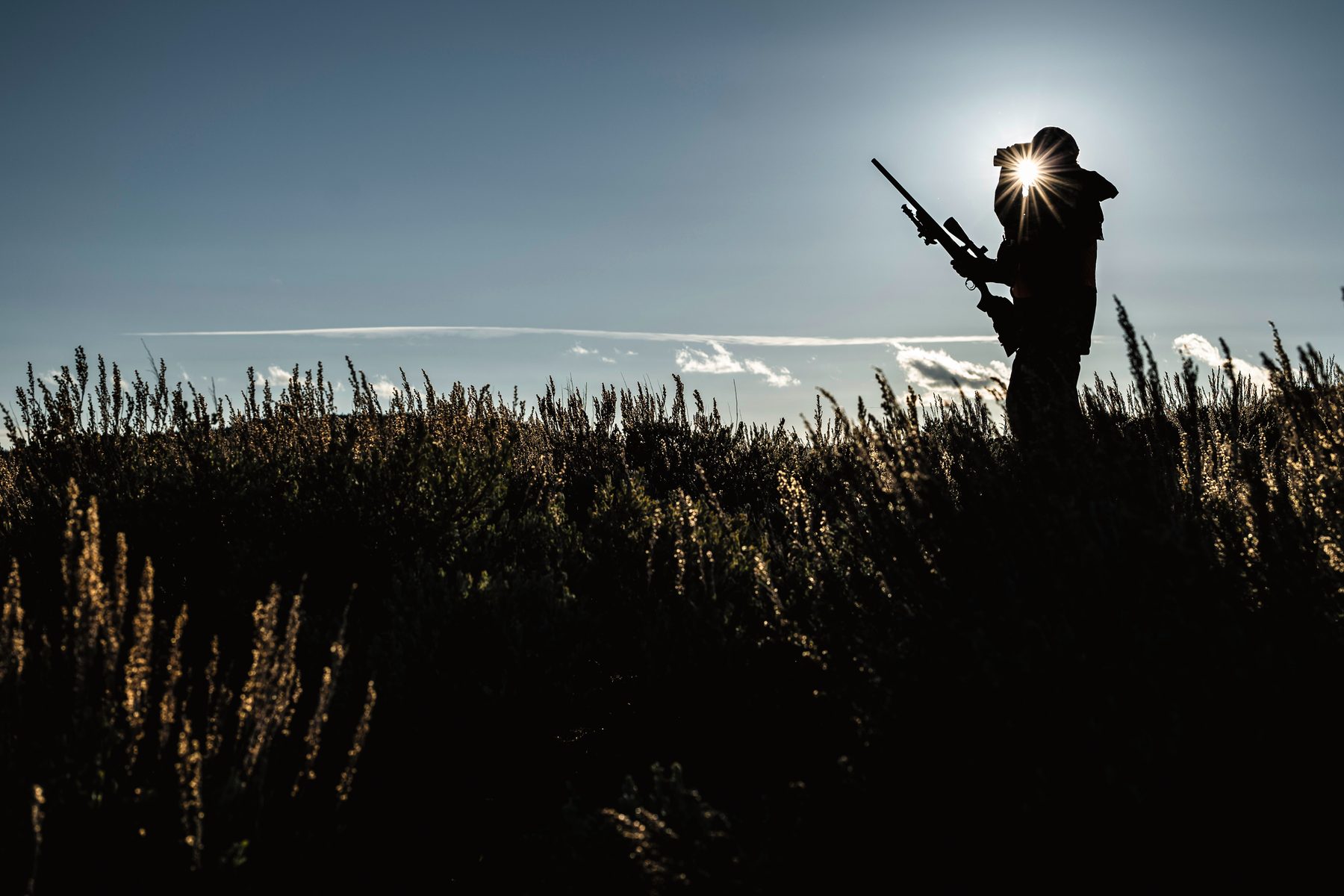
Nobody goes to Wyoming for an easy hunt, and Simon K. Barr did not expect one. Dawn on the Cole Creek Sheep Company’s 80,000 acres near Casper came up in streaks of orange and red over the sagebrush, and somewhere out in that grey light were the animals he had crossed the Atlantic for: pronghorn, the “speed goats” of the American West and the fastest land animal on the continent. For a British stalker used to a woodland ride or a Highland corrie, the prairie is a different school altogether, and the pronghorn is its sternest master.
Hunting with Cole Creek Outfitters near Casper
His guides were Kelly Clause and his son Cody, who run Cole Creek Outfitters and have guided this ground for years; the Hornady family have hunted with them for a long time, which is as good a reference as a rifleman could ask for. Neither man promised a stroll. Hunting with Kelly and Cody, as Barr put it, “isn’t a walk in the park; it’s a walk in the wild”, and any keeper who has walked a beat in a March gale will recognise the tone: the country sets the terms and you meet them or go home empty.
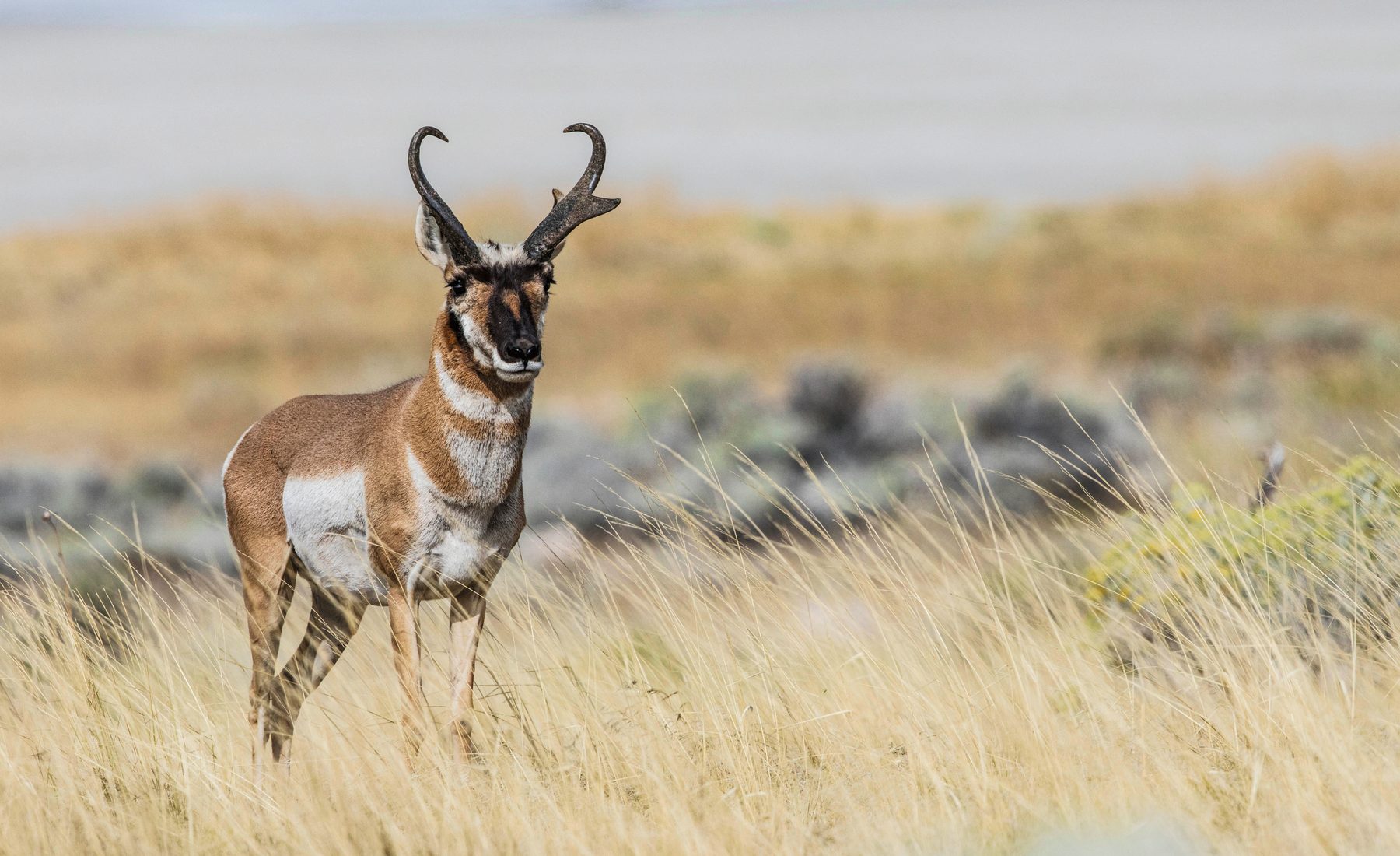
The pronghorn is not an ordinary quarry, and it is not really an antelope either, whatever most people call it. It is the last surviving member of the Antilocapridae, a family whose closest living relatives are the giraffes and the okapis, and it was built to escape predators that died out long ago. The animal, in Barr’s words, “never got the memo”. It can run at 60mph, and its big, bulging eyes give it something close to 360-degree vision, so that a stalker who is careless of skyline or wind is spotted long before he sees anything but dust. Set that against the roe buck that a British stalker reads by its ears and its nose, and the scale of the task is plain.
Stalking pronghorn across the Wyoming prairie
The Wyoming prairie is never as flat as it looks. Beneath the sagebrush and the prickly pear the ground rolls in dips and rises that a hunter who knows how to read them can use to close the distance, exactly as a stalker uses a peat hag or a fold in the hill. The party glassed several groups of pronghorn out in the open, and the eye went to the older bucks, with darker faces and thicker horns, roaming and restless with the rut in full swing. The wind was the other player: a steady 18mph from left to right, and on ground that open it decides whether a stalk succeeds at all.
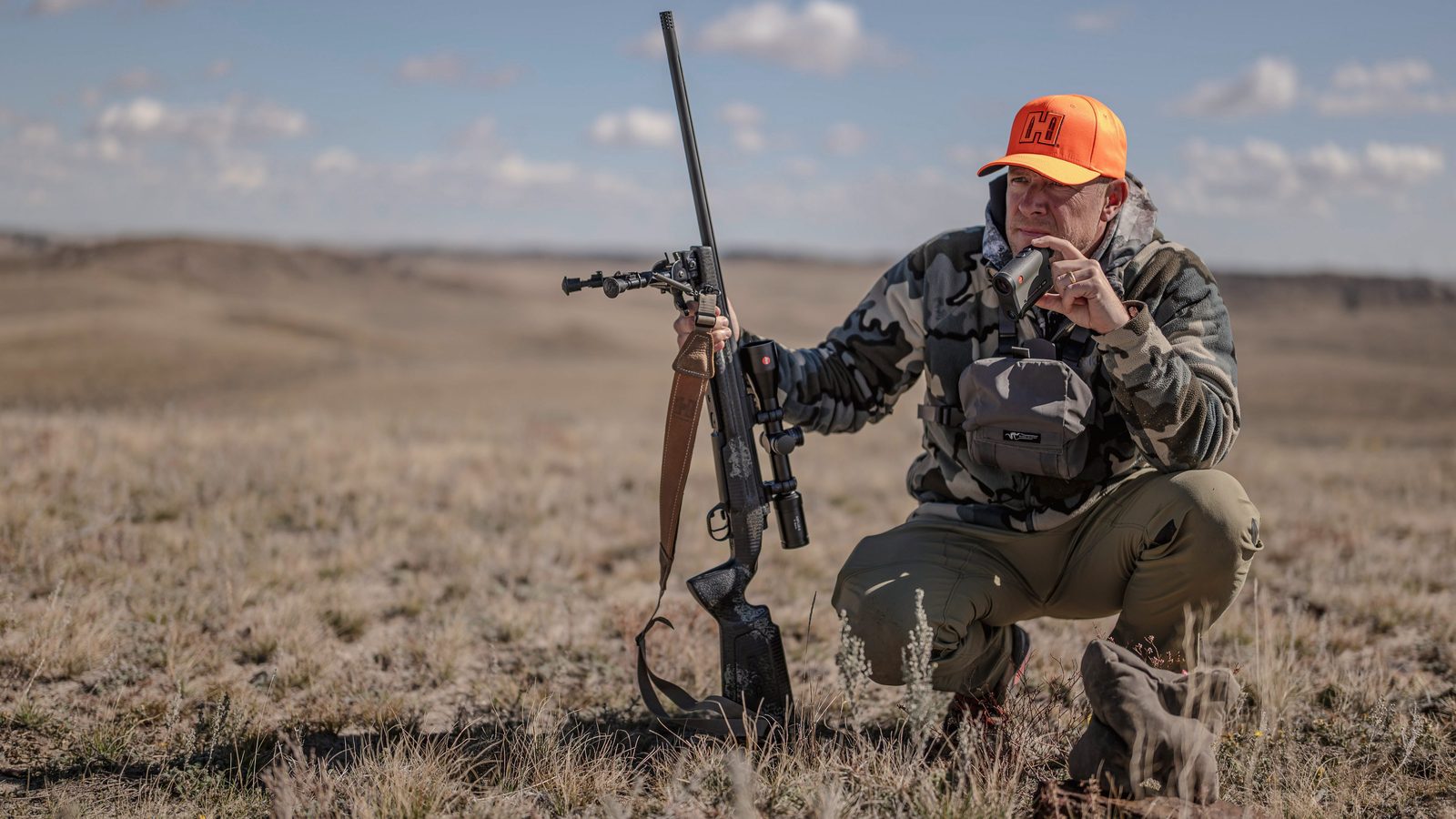
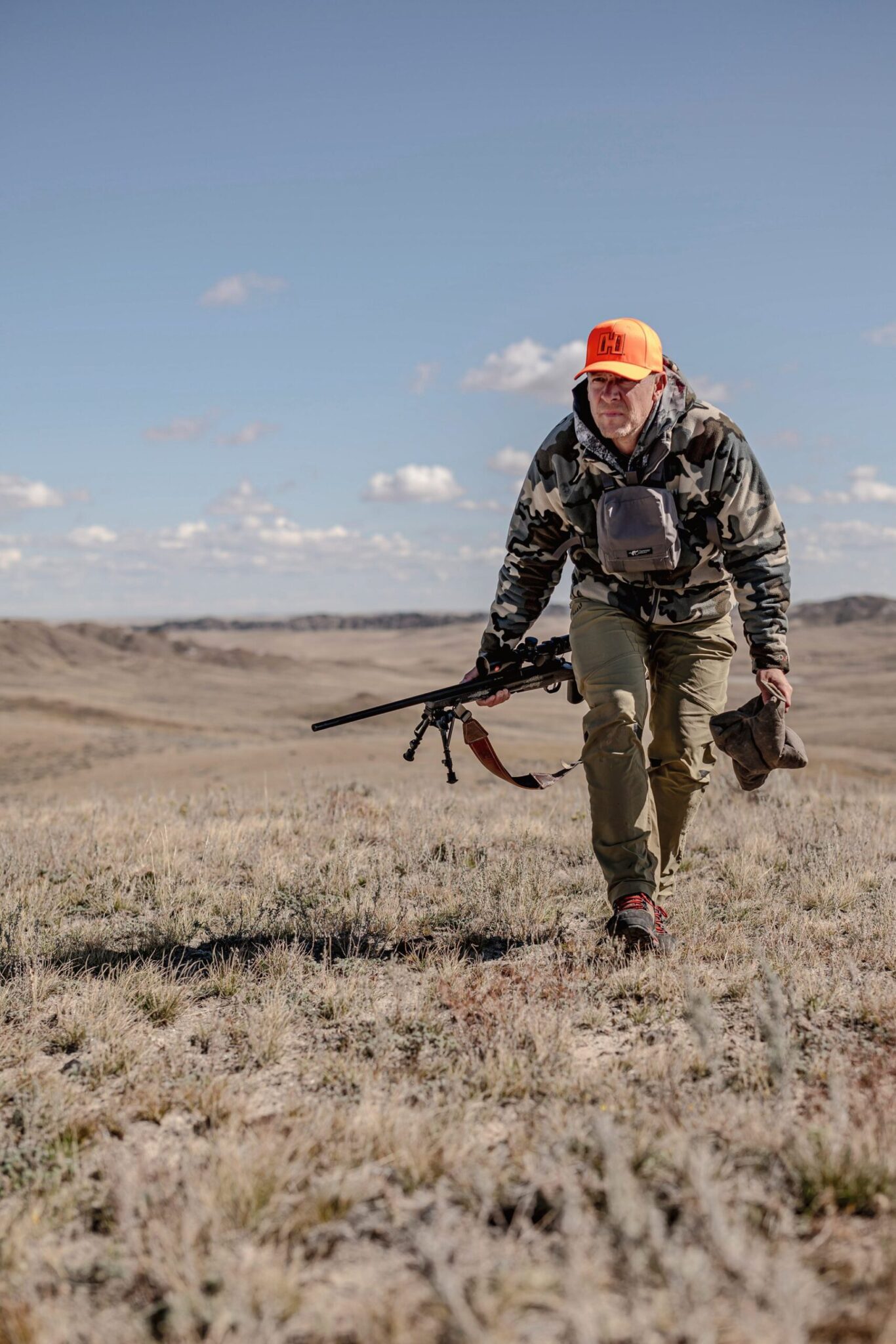
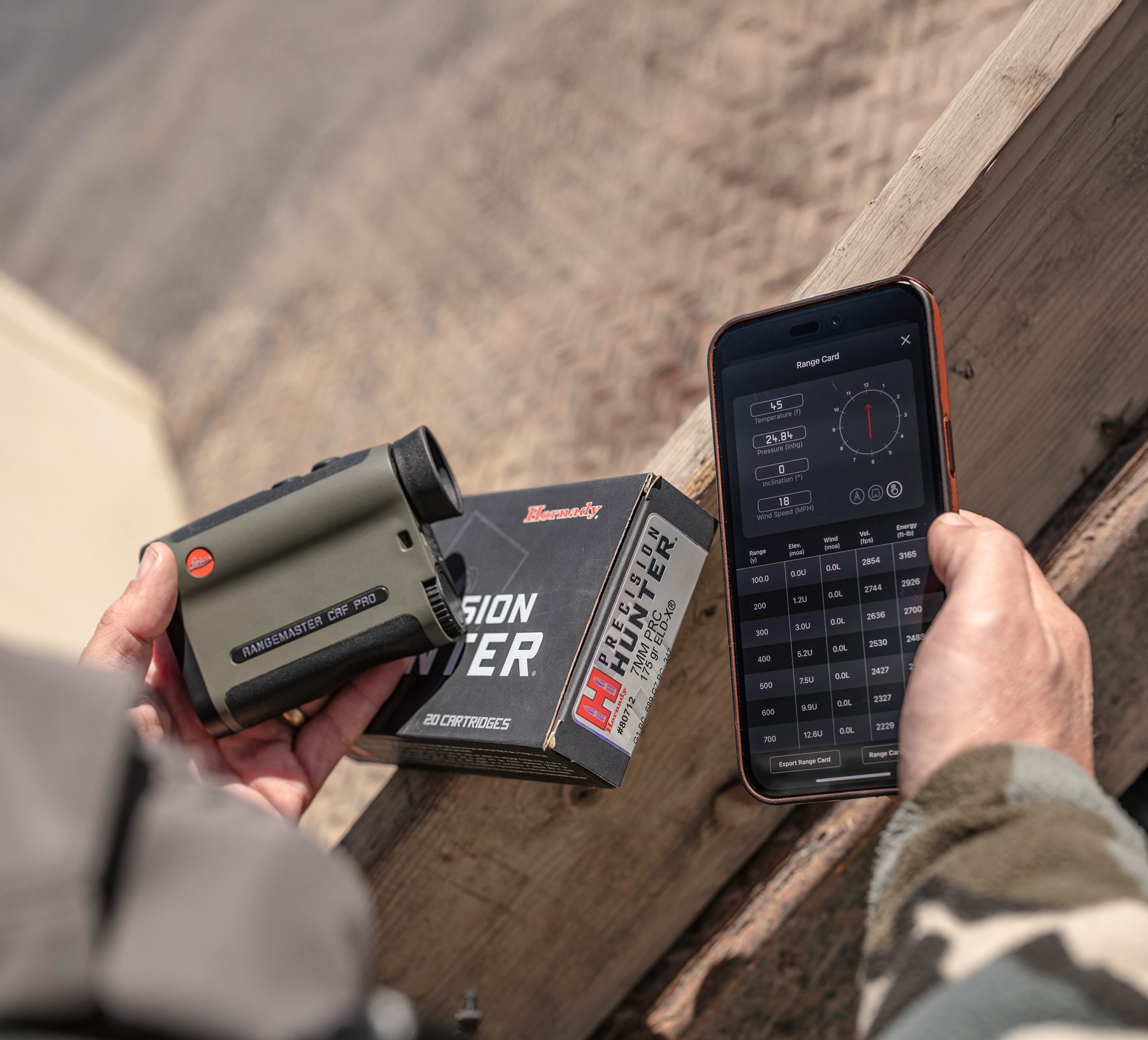
They used the truck to get within range of an approach and then went in on foot, low and quiet through the sagebrush, dropping into every depression the ground offered. Barr shoots Precision Rifle Series (PRS) matches at targets beyond 900 yards, but he is clear that hunting is a different matter: an animal is not a steel plate, and the shot he wanted was well inside 400 yards. He settled in behind a Game Changer shooting bag, ranged the herd, checked the wind and ran a ballistic solution on his phone before the rifle came up, the same discipline any deer manager applies before a long shot on a hill face.
Among them was a mature buck carrying a flat prong above the ear, the “cutter” that marks a trophy-class animal. Then the lead buck lifted his head and stared straight at them, suspicious, and the whole party froze while, as Barr described it, “time stretched thin”. They held their nerve, dropped into a little ravine, kept quiet and waited for the moment to come to them rather than forcing it. On a pronghorn, patience is the stalk.
A 388-yard shot with a 7mm PRC
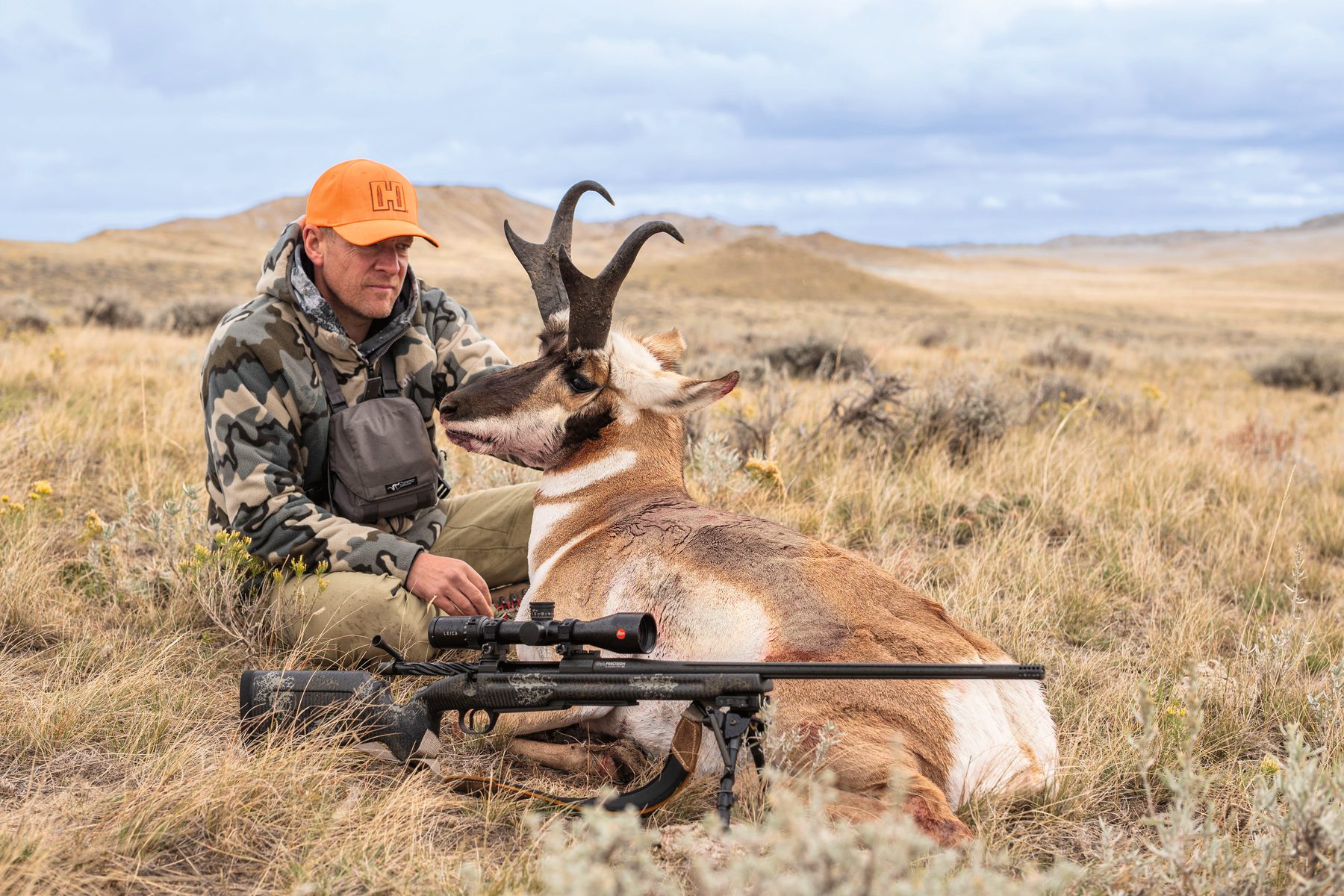
Barr’s rifle was chambered in 7mm PRC (Precision Rifle Cartridge), a G.A. Precision build loaded with Hornady’s 175gr ELD-X (Extremely Low Drag – eXpanding) bullet. The rangefinder read 388 yards. He dialled 5 MOA (minutes of angle) of elevation and held 8in into the wind on the left, settled his breathing, and let the shot go. The buck dropped where it stood: no run, no struggle. For a British reader that distance deserves a note. Most deer in this country are shot well inside half of it, and a 388-yard shot in an 18mph crosswind is the product of a range-proven rifle, a known load, a rangefinder and a ballistic solution, not a hopeful hold-over. Without all four, the honest answer is a longer stalk.
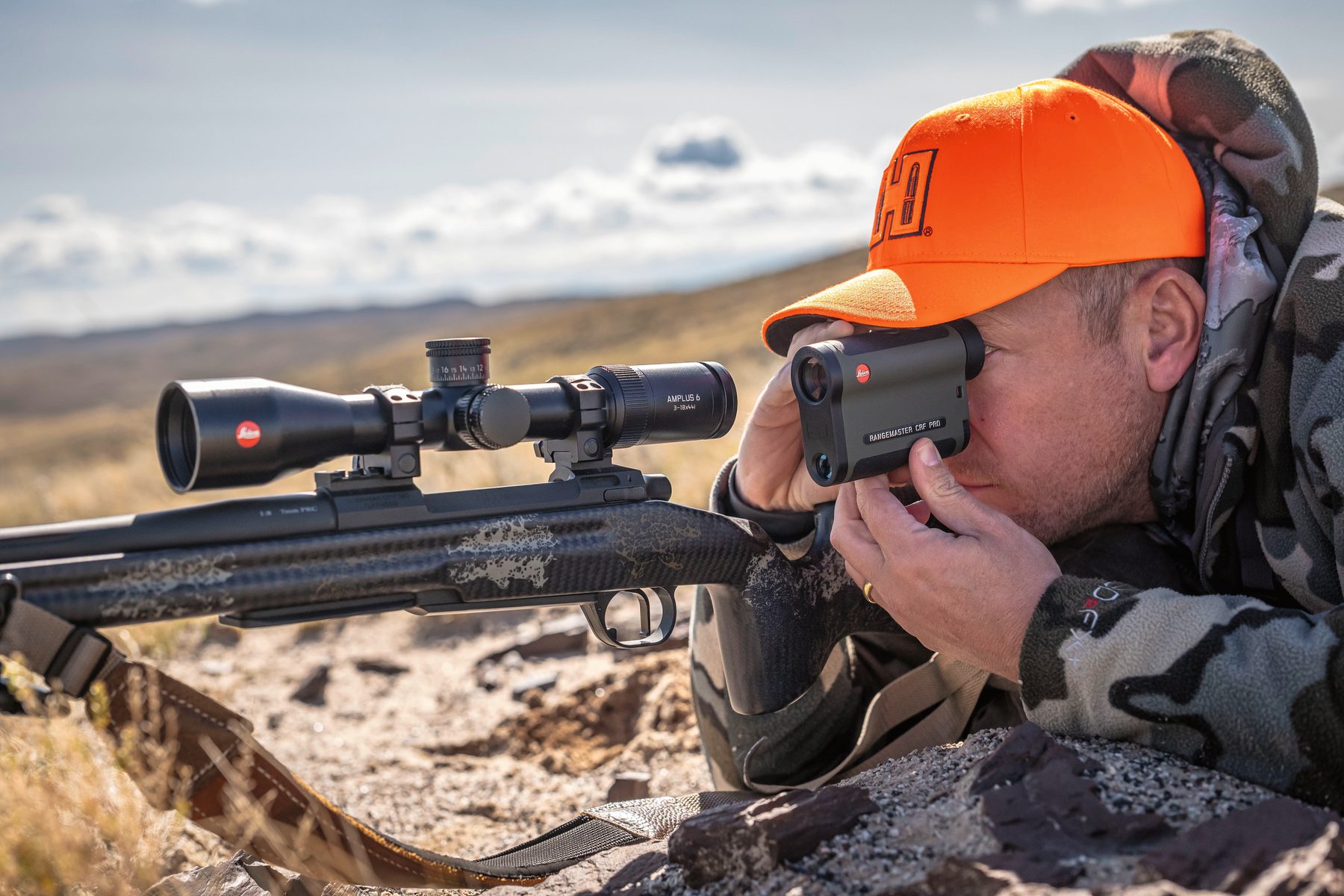
Walking up to the buck brought the rush that every stalker knows, pride and respect in equal measure. Barr’s reflection was that the hunt is the whole sequence, the stalk, the patience, the waiting and the execution, and not the last three seconds of it. The buck scored in the mid-70s: a respectable head rather than a record, and none the worse for that.
A pronghorn conservation success story
The animal deserves its hat-tip, and so do the people who brought it back. Some 35 million pronghorn once roamed the plains. By 1915 overhunting and habitat loss had cut that to about 13,000, and the species was on the way out. Today there are around 800,000, and the recovery was driven by hunters and conservationists together, with the money that hunting raises paying for the programmes that rebuilt the herds. It is one of the great achievements of American conservation, and it carries a lesson that lands squarely on this side of the water: where the people who shoot are the people who pay, the quarry and its ground tend to prosper. Any keeper who has watched a moor or a marsh kept in good heart on shooting income will know the argument by heart.
Hunting, as Barr wrote, is about more than the trophy; it is a contest with a wild animal on its own terms and a test of the hunter as much as the quarry. The Cole Creek Sheep Company dates from the 1880s, and loading the buck into the truck on ground that has been hunted for well over a century, he found himself thinking of the men who had walked it before him. “There’s a connection there,” he wrote, “a feeling that you’re part of something bigger.” For anyone tempted by a Wyoming pronghorn, the invitation is an honest one: the land has character, the wind never rests, and the animal will make you earn every yard of it.
Simon K. Barr’s pronghorn kit
- G.A. Precision rifle, 7mm PRC
- Leica Amplus 6, 3-18×44 riflescope
- Leica CRF Pro compact rangefinder
- Leica Geovid Pro 42 Orange Edition
- Hornady 175gr ELD-X ammunition
- Game Changer shooting bag
Frequently asked questions
Is a pronghorn an antelope?
Not strictly. The name has stuck, but the pronghorn is the last surviving member of the Antilocapridae, and its closest living relatives are the giraffes and the okapis rather than the true antelopes of Africa and Asia.
How fast can a pronghorn run?
Up to 60mph, which makes it the fastest land animal in North America. Its large, bulging eyes give it close to 360-degree vision, so a stalker is usually seen long before he gets close.
How many pronghorn are there in North America?
Around 800,000 today, up from roughly 13,000 in 1915 after overhunting and habitat loss. An estimated 35 million once roamed the plains, and the money raised by hunting has paid for much of the recovery.
 Closes 15 JanuaryWorth £129.90Win a pair of tickets to the British Shooting Show 2027Enter nowFree to enter
Related Articles

The Countryman: shots in the dark – the CL55 night licence makes this a milestone season, but at what price?
Keith Edmunds explains what the CL55 licence to shoot deer at night asks of stalkers, and asks what more night shooting will mean for the deer, for newcomers and for the stalking itself
By Keith Edmunds | 12 November 2026

Stalking diary: a first fallow doe with the bow on a return trip to Portugal
Charlie Blance's return trip to Portugal ends with a fallow doe taken with the bow – and a reminder that the wildlife alone is reason enough to go back
By Charlie Blance | 11 November 2026
Get the latest news delivered direct to your door
Subscribe to Shooting Times & Country
Discover the ultimate companion for fieldsports enthusiasts with Shooting Times & Country Magazine, the UK’s leading weekly publication that has been at the forefront of shooting culture since 1882. Subscribers gain access to expert tips, comprehensive gear reviews, seasonal advice and a vibrant community of like-minded shooters.
Save on shop price when you subscribe with weekly issues featuring in-depth articles on gundog training, exclusive member offers and access to the digital back issue library. A Shooting Times & Country subscription is more than a magazine, don’t just read about the countryside; immerse yourself in its most authoritative and engaging publication.

