

Deer Matters: why an evidence-based approach to deer welfare can be as powerful as activism
The British Deer Society explains why a measured, evidence-based approach to wild deer welfare and management can prove as powerful as activism and emotive campaigning
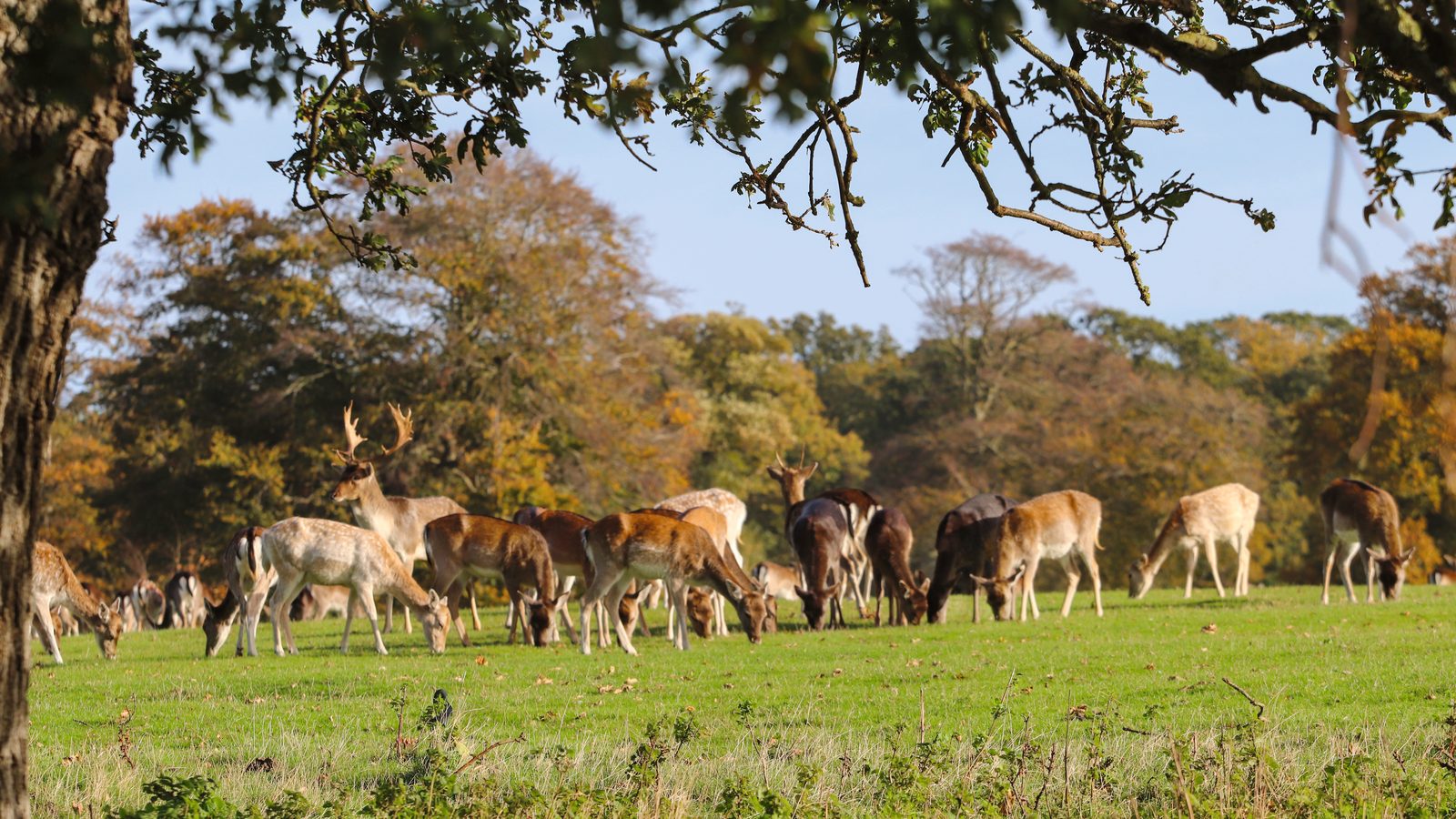

There are many different organisations that work in the field of animal welfare, all of which adopt varying approaches in pursuit of their objectives. The British Deer Society (BDS) stands apart from many in that it is not a charity built around activism. Instead, it chooses to take a more measured, evidence-based approach to advocating for deer welfare and sustainable management.
The BDS was founded to promote the welfare of wild deer in the UK through research, education and the dissemination of best practices. Its mission is rooted in conservation and sustainability rather than campaigning or activism. While activism often seeks to influence public opinion or policy through high-profile campaigns, the BDS focuses on practical, science-led solutions to the challenges facing deer populations and their habitats.
The BDS approach to deer welfare
Key to the BDS approach is collaboration. The society works closely with landowners, forestry professionals, policymakers and other stakeholders to ensure that deer management practices are humane, effective and aligned with broader environmental goals. This cooperative ethos helps to foster transparency, understanding and shared responsibility, avoiding the polarisation that can sometimes arise in debates about wildlife management.
In contrast, some animal welfare charities adopt a more activist stance, using campaigns to raise awareness and drive legislative or societal change. These organisations will often use bold, attention-grabbing tactics to highlight perceived injustices or promote their vision of animal welfare. While these approaches may certainly be effective in mobilising public support, they can also be divisive or misleading, particularly when they conflict with the findings of scientists, conservationists or those with practical experience of working in rural industries.
For example, while some activist-led groups oppose all forms of deer culling for what they consider ethical reasons, the BDS recognises that responsible deer management, including culling, is sometimes necessary. This helps prevent overpopulation, which can negatively affect deer health and welfare.
Overpopulation can cause food scarcity, increased disease transmission and poor physical condition. Effective management also protects habitats and maintains biodiversity. Rather than viewing culling as inherently harmful, the BDS advocates for methods that prioritise animal welfare and minimise suffering.
Balancing advocacy and practicality
By focusing on education and training, the BDS equips individuals with the skills and knowledge needed to manage deer populations responsibly. Courses on deerstalking, humane despatch and advanced deer management are central to its mission, ensuring that ethical considerations are embedded in practical actions.
This emphasis on education extends to public outreach. The BDS works to raise awareness about the ecological role of deer, the challenges they face and the importance of sustainable management. The BDS is careful to present only factual material and conclusions based on sound scientific principles and peer-reviewed research.
It is important to acknowledge that different approaches to animal welfare can sometimes complement one another. Activist-led charities often excel at drawing attention to specific issues, generating public debate and influencing policy. Meanwhile, organisations like the BDS provide the expertise and practical solutions needed to implement meaningful change on the ground. Together, these approaches create a broader framework for advancing animal welfare.
While activism may sometimes have its place, the BDS demonstrates that a focus on evidence-based practices and stakeholder engagement can be equally powerful in promoting the welfare of wildlife.
About the British Deer Society
The British Deer Society brings people together for deer through education, training, research and advocacy. As an independent charity, its work is made possible by members who care about the future of wild deer and their habitats.
Frequently asked questions
Does the British Deer Society support culling deer?
Yes, where it is responsible. The BDS recognises that deer management, including culling, is sometimes necessary to prevent overpopulation, and it advocates methods that prioritise welfare and minimise suffering.
What happens when deer populations are too high?
Overpopulation can cause food scarcity, increased disease transmission and poor physical condition in deer, and can damage habitats and biodiversity.

About the author
Charles Smith-Jones
A lifelong naturalist and countryman, Charles has studied and worked with deer for more than 40 years and is technical adviser to the British Deer Society, having also served as one of its trustee directors. A full Army career was followed by ten years lecturing in game and wildlife management at Sparsholt College in Hampshire, where he taught a generation of gamekeepers and countryside managers, and he now offers an independent consultancy on deer matters. He has held positions from deer manager to secretary and national deer adviser within Defence Deer Management. He is the author of five books, four of them about deer, including Muntjac: Managing an Alien Species, The Deer Stalker's Bedside Book, Between the Coverts, Practical Deer Management and A Guide to the Deer of the World.
 Closes 15 JanuaryWorth £129.90Win a pair of tickets to the British Shooting Show 2027Enter nowFree to enter
Related Articles

Jottings for wildfowlers: 45 years of conservation at Aldeburgh Town Ponds
For 45 years a Suffolk wildfowling club has looked after a coastal wetland, and now its members are helping to ring migrant birds, writes Graham Downing
By Graham Downing | 11 November 2026

Stalking diary: new ground in North Yorkshire, and pheasants that send a Cumbrian buck bolting
New, flat ground in North Yorkshire adds a fresh dimension to Al Gabriel’s season, while in Cumbria a flush of pheasants gives him away to the resident roebuck
By Al Gabriel | 11 November 2026
Get the latest news delivered direct to your door
Subscribe to Shooting Times & Country
Discover the ultimate companion for fieldsports enthusiasts with Shooting Times & Country Magazine, the UK’s leading weekly publication that has been at the forefront of shooting culture since 1882. Subscribers gain access to expert tips, comprehensive gear reviews, seasonal advice and a vibrant community of like-minded shooters.
Save on shop price when you subscribe with weekly issues featuring in-depth articles on gundog training, exclusive member offers and access to the digital back issue library. A Shooting Times & Country subscription is more than a magazine, don’t just read about the countryside; immerse yourself in its most authoritative and engaging publication.

