

Wales bird flu prevention zone from Monday puts legal duties on shoots
An all-Wales Avian Influenza Prevention Zone applies from noon on Monday, 16 November: no housing order and no change to gatherings, but every game bird keeper must complete a biosecurity checklist within seven days, caught-up birds stand still for 21 days and release pens meet set feeding rules
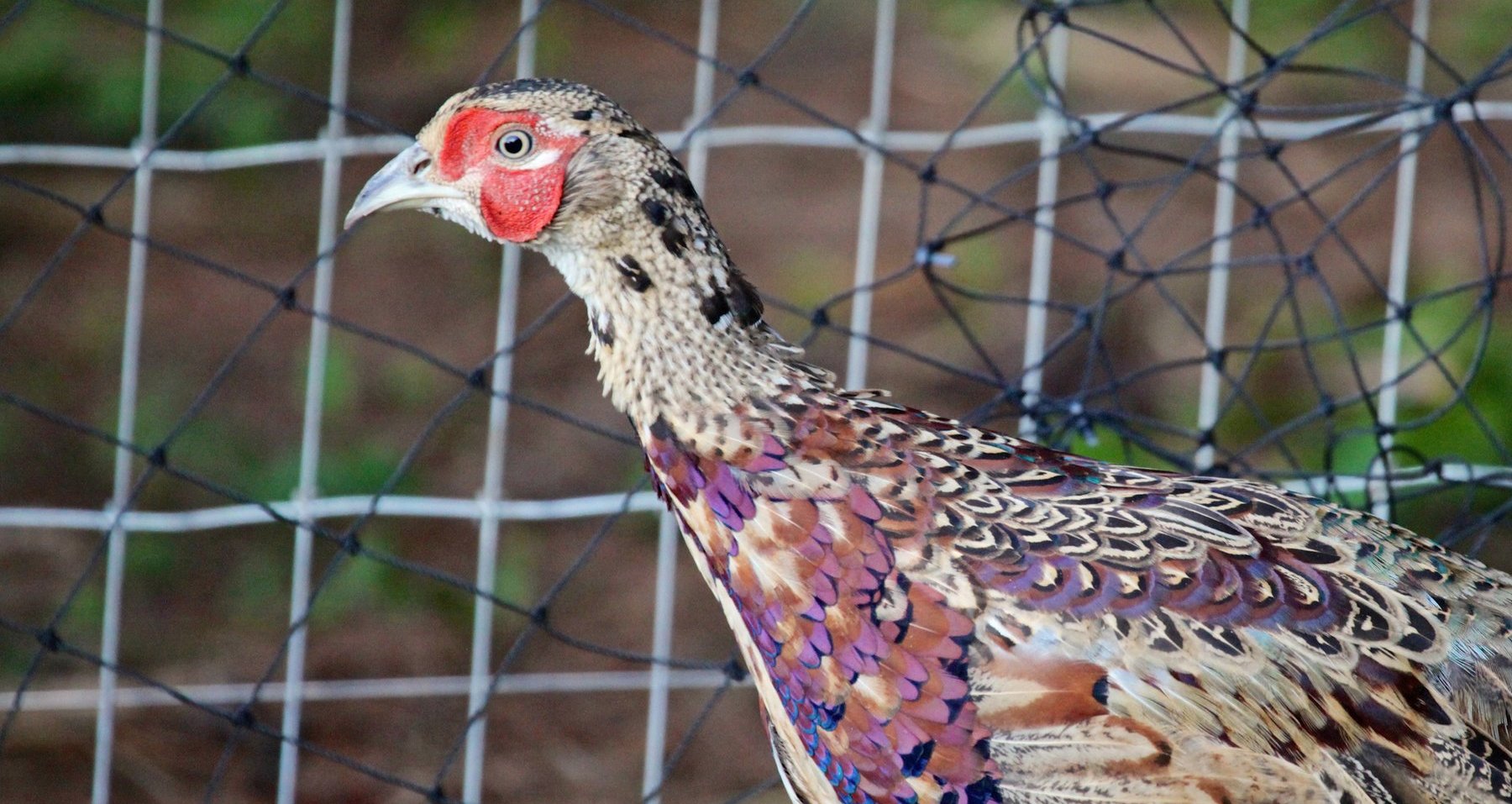

Llyr Gruffydd MS, the Cabinet Minister for Rural Resilience and Sustainability, declared the zone in a written statement on Friday, 13 November on the advice of Richard Irvine, the Chief Veterinary Officer for Wales, who signed the declaration under article 6 of the Avian Influenza and Influenza of Avian Origin in Mammals (Wales) (No. 2) Order 2006. It follows the national zones declared in Scotland on Tuesday, 10 November and in England on Wednesday, 11 November, and stays in force until the Welsh Government amends or revokes it.
Why has Wales declared a prevention zone with no cases?
No case of highly pathogenic avian influenza has been confirmed in poultry or other kept birds in Wales so far this season, and the National Gamekeepers’ Organisation (NGO) told members on 11 November that there had been no wild bird findings in Wales since 1 October either. The minister’s statement says the number of cases in poultry flocks is increasing across other parts of Great Britain and that the risk of transmission from wild to kept birds is heightened.
The Animal and Plant Health Agency (APHA) tally to 13 November stood at eight H5N1 cases in kept birds in England this season, with one H5N5 and one H5N1 case in Scotland; the latest English case, in commercial poultry near Dereham in Norfolk, was confirmed on 12 November. “I consider the mandatory enhanced biosecurity measures of the AIPZ to be proportionate to the risk level posed by avian influenza here in Wales at this time,” Mr Gruffydd said. “At present there is insufficient evidence to introduce mandatory housing of flocks or review the arrangements for bird gatherings, but the situation will continue to be monitored closely.”
What every keeper in Wales must do from noon on Monday
The zone binds every keeper of poultry or other captive birds, whatever the size of the flock or how the birds are kept. Keepers must make the areas where birds are kept unattractive to wild birds, for example by netting ponds and removing wild bird food sources, feed and water their flocks in enclosed areas, minimise the movement of people in and out of bird enclosures, use foot dips and disinfect footwear, cleanse concrete areas and fence off wet or boggy ground, keep domestic ducks and geese apart from other poultry and keep the records the declaration requires.
Within seven days of the zone taking effect, every keeper must complete the Welsh Government’s mandatory biosecurity self-assessment checklist. The guidance page carries three versions: one for flocks under 500 birds, one for larger and commercial keepers, and a separate checklist for keepers of gamebirds. Keepers with more than 500 birds must also restrict access to non-essential people, change clothing and footwear before entering bird enclosures and clean and disinfect vehicles.
The rules written for game bird keepers
The declaration states that it applies to anyone involved in rearing, releasing or shooting game birds, and its schedules carry the rules the shooting side has met in previous zones. Wild game birds caught up during the open season under the Game Act 1831 must not be moved for at least 21 days, counted from the date the last bird was caught up or the date the last bird arrived, and birds brought together from more than one place count as a bird gathering, which must be registered with APHA.
In release pens there must be at least one feeding station for every 60 released gamebirds, pheasants kept in release pens should not be fed within 50m of a water body, and gamebirds in release pens should not be fed within 500m of any other poultry or kept birds. On premises with more than 500 birds, wild game birds must not be fed within 500m of the restricted-access part of the holding. Game bird keepers must be registered on the kept bird register. Nothing in the declaration bans the release of gamebirds, and the Welsh Government says the rules on bird gatherings are unchanged: a gathering may go ahead provided it is registered with APHA and the licence conditions are met.
How Wales compares with England and Scotland
England went further on Thursday, 13 November, when a housing order came into force at 00:01 requiring every keeper of 50 or more birds, and anyone who sells or gives away eggs, poultry products or live birds, to house them; its prevention zone had been in force since 11 November. Poultry kept for restocking of game may qualify for a welfare exemption after a vet consultation, and the NGO says it has been assured that previous exemptions, including the one for over-wintered breeding birds held in open-topped pens, are kept in any housing order, national or regional. Scotland’s zone, from 10 November, carries biosecurity duties without a housing requirement.
Mr Gruffydd said the risk to human health remains very low and that properly cooked poultry and eggs are safe to eat. “We all have a responsibility to protect the health and welfare of our national flock in Wales and prevent disease introduction and spread,” he said. Avian influenza is a notifiable disease and any suspicion in Wales should be reported at once to APHA on 0300 303 8268.
What happens next
The zone applies from 12:00 on Monday, 16 November, so the mandatory checklist is due by Monday, 23 November. The requirements will be kept under ongoing review, and the Welsh Government says information, guidance and the latest developments will be published on its website. The Countryside Alliance keeps a rolling avian influenza page for shoots, and the NGO is briefing members on each nation’s rules as they change.
Frequently asked questions
When does the Wales bird flu prevention zone start?
At 12:00 on Monday, 16 November 2026, across the whole of Wales, and it stays in force until the Welsh Government amends or revokes the declaration.
Do birds have to be housed in Wales?
No. The Welsh Government says there is not yet enough evidence to order housing or change the rules on gatherings; England has required keepers of 50 or more birds to house them since 13 November.
What must game bird keepers in Wales do?
Complete the mandatory biosecurity checklist within seven days, keep caught-up wild game birds still for 21 days, meet the release pen feeding rules and be registered on the kept bird register.
 Closes 15 JanuaryWorth £129.90Win a pair of tickets to the British Shooting Show 2027Enter nowFree to enter
Related Articles
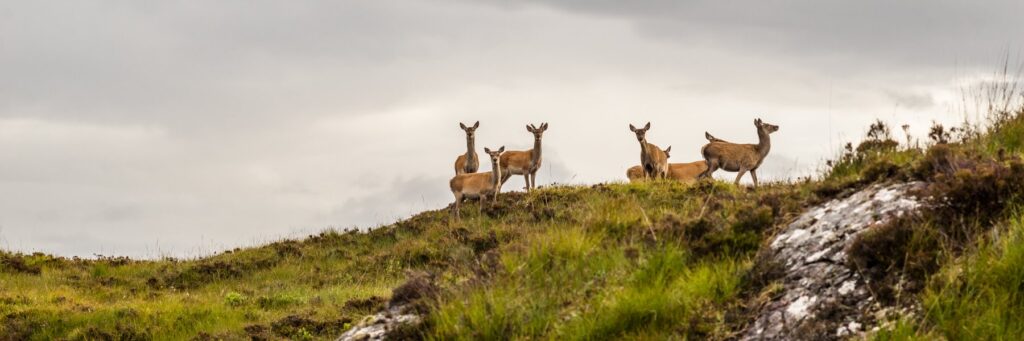
Scotland’s first national deer plan due in 2027, minister confirms
The National Deer Management and Venison Plan created by this year’s Natural Environment Act will be published in 2027, and NatureScot will consult on a revised deer code before the end of the year, J...
By News Desk | 17 November 2026
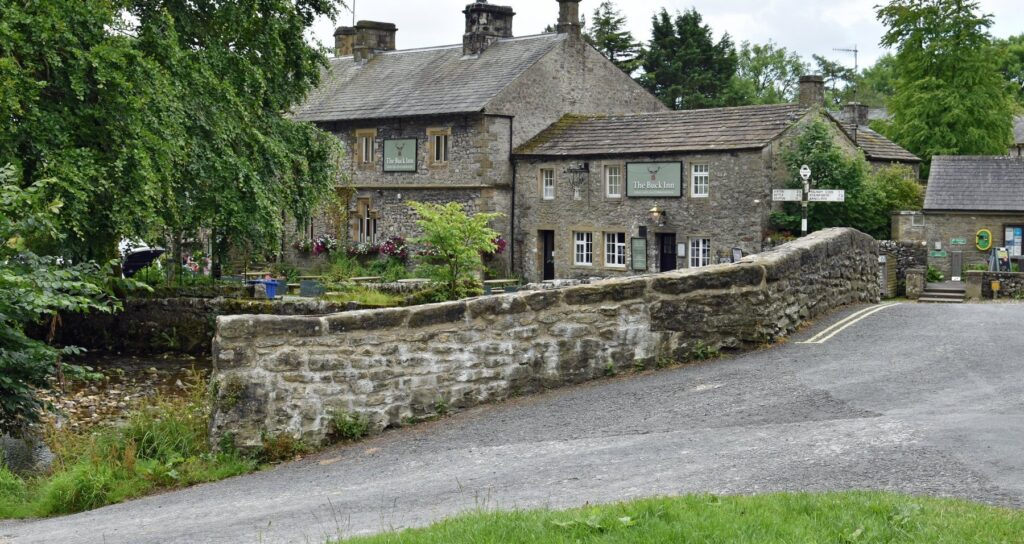
Visitor levy would hit shoot dinner venues, MP warns Commons
Sir Julian Smith told the second reading debate on the Visitor Levy (England) Bill that suppliers to shoots in Skipton and Ripon are already worried by Defra’s game shooting review, and that a tax on...
By News Desk | 17 November 2026
Get the latest news delivered direct to your door
Subscribe to Shooting Times & Country
Discover the ultimate companion for fieldsports enthusiasts with Shooting Times & Country Magazine, the UK’s leading weekly publication that has been at the forefront of shooting culture since 1882. Subscribers gain access to expert tips, comprehensive gear reviews, seasonal advice and a vibrant community of like-minded shooters.
Save on shop price when you subscribe with weekly issues featuring in-depth articles on gundog training, exclusive member offers and access to the digital back issue library. A Shooting Times & Country subscription is more than a magazine, don’t just read about the countryside; immerse yourself in its most authoritative and engaging publication.

