
Poll finds 83% back right to roam as estates seek access code rewrite
Ramblers Scotland’s ScotPulse survey lands as BASC and Scottish Land & Estates press Holyrood to update the 2005 code on dogs, drones, campfires and deer management
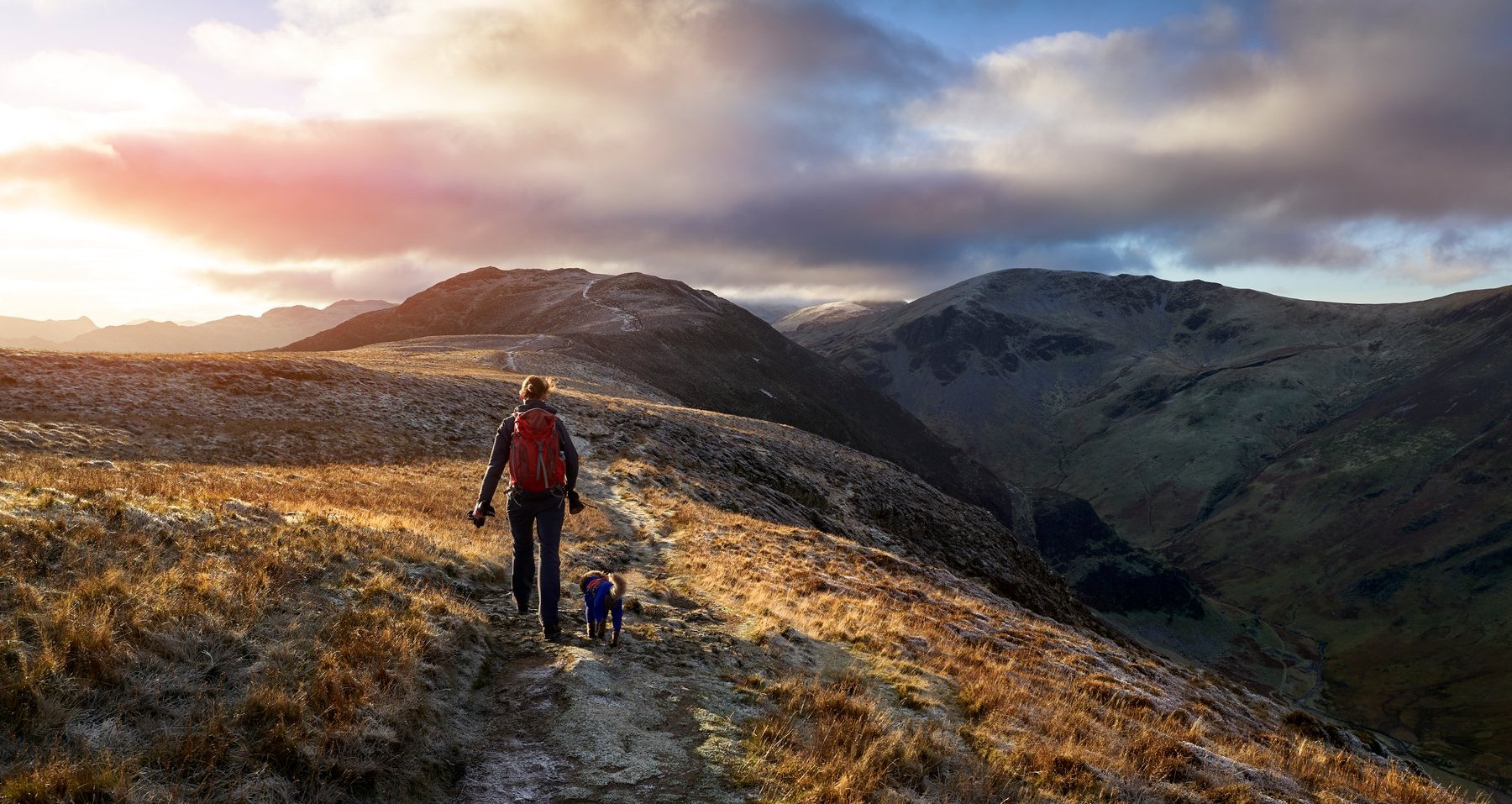

Four in five Scots support the right to roam, a Ramblers Scotland poll published on 24 November found, as Holyrood’s Rural Affairs Committee weighs calls from BASC and Scottish Land & Estates to overhaul the access code that governs how walkers, dogs and drones meet deer stalking, shoots and ground-nesting birds. The ScotPulse survey of more than 1,100 adults put support at 83% and opposition at 7%, with 78% backing in rural areas.
What did the Ramblers Scotland survey find?
ScotPulse questioned 1,106 people aged 16 and over between 29 and 31 October, weighting the results by age and gender. The question mirrored Scottish Government research published in 2021, which found 81% support for access rights, so the charity reads the result as a stable majority two decades after the Land Reform (Scotland) Act 2003 took effect.
Brendan Paddy, director of Ramblers Scotland, said: “Today’s findings send a clear message: people overwhelmingly back Scotland’s outdoor access system.” He called the right to roam “an enduring achievement of our devolved parliament” and urged MSPs to invest in paths, access staff and education. Campaigners and the charity’s president, Chris Lawlor, met MSPs outside the Scottish Parliament on the day of publication.
The Ramblers want the Scottish Outdoor Access Code promoted more widely, access authorities properly staffed and a Scottish Paths Fund. Its own survey of councils this year found 33 full-time equivalent access officers across Scotland, half the number of 20 years ago, with seven authorities employing none.
Why are land managers asking for a new code?
The poll landed in the middle of the committee’s short inquiry into whether the access system is still fit for purpose, whose call for views closed on 23 November. BASC Scotland asked for a review of the code after a survey of 468 members in which 62% said public access had increased in five years, 52% judged the code ineffective and 213 reported disturbance to deer or wildlife. Peter Clark, the association’s director, said: “Deer or game management cannot simply be put on hold because people are accessing the countryside.”
Scottish Land & Estates followed on 25 November with a call to rewrite a code first published in February 2005, before recreational drones, e-bikes and social media existed as pressures. It wants clearer guidance on drones near livestock and nesting birds, a firm line between road-legal e-bikes and motorised bikes that are not, consistent seasonal restrictions on campfires and barbecues in wildfire-risk areas on the Cairngorms model, and plainer advice on dogs around livestock and ground-nesting birds. Its audit found 14 local access forums apparently inactive.
Stephen Young, the organisation’s director of policy, said: “Guidance on responsible access needs to reach the people sharing those routes as well as the people following them.” He also asked policymakers to drop the phrase right to roam in favour of “right to responsible access”, because “in Scotland, access rights apply only when people exercise them responsibly”.
Where does NatureScot stand?
NatureScot, which wrote the code, told the committee on 18 November that it had “no closed mind” on a review, with NatureScot’s Peter Rawcliffe conceding that “in retrospect, we could say that we got the balance wrong” on promotion. Forestry and Land Scotland told the same session that a campfire burned an area of Galloway the size of Edinburgh last year.
What happens next?
The committee, convened by Mark Ruskell MSP, visits the Pentland Hills on 9 December and expects to report in the first quarter of 2027, before the Holyrood election in May. Submissions will be published in due course. Estates, stalkers and shoots that answered the call for views should watch for the committee’s evidence sessions in the new year, and the Ramblers’ £50m Paths Fund ask will go to every party drafting a manifesto.
Frequently asked questions
How many Scots support the right to roam?
A ScotPulse poll of 1,106 adults for Ramblers Scotland, carried out between 29 and 31 October 2026, found 83% in support and 7% opposed, with 78% support in rural areas. Scottish Government research published in 2021 found 81% support.
Is the Scottish Outdoor Access Code being reviewed?
Not yet. Holyrood’s Rural Affairs Committee is holding a short inquiry into the access system, with findings expected in early 2027. BASC and Scottish Land & Estates have asked for the code, published in 2005, to be rewritten; NatureScot says it has no closed mind.
What do stalkers and shoots want changed?
Clearer guidance on dogs near livestock and ground-nesting birds, on drones and e-bikes, better promotion of the code, working local access forums and recognition that deer and game management cannot stop for recreational access.
 Closes 15 JanuaryWorth £129.90Win a pair of tickets to the British Shooting Show 2027Enter nowFree to enter
Related Articles

Rural crime cost: Home Office holds no figure, minister admits
The only national estimate of what rural crime costs is an insurer’s claims book, policing minister Sarah Jones has told MPs, because the theft of a keeper’s quad bike is counted as a theft like any o...
By News Desk | 26 November 2026
Duck nest monitoring draw won by Aberdeenshire syndicate Gun
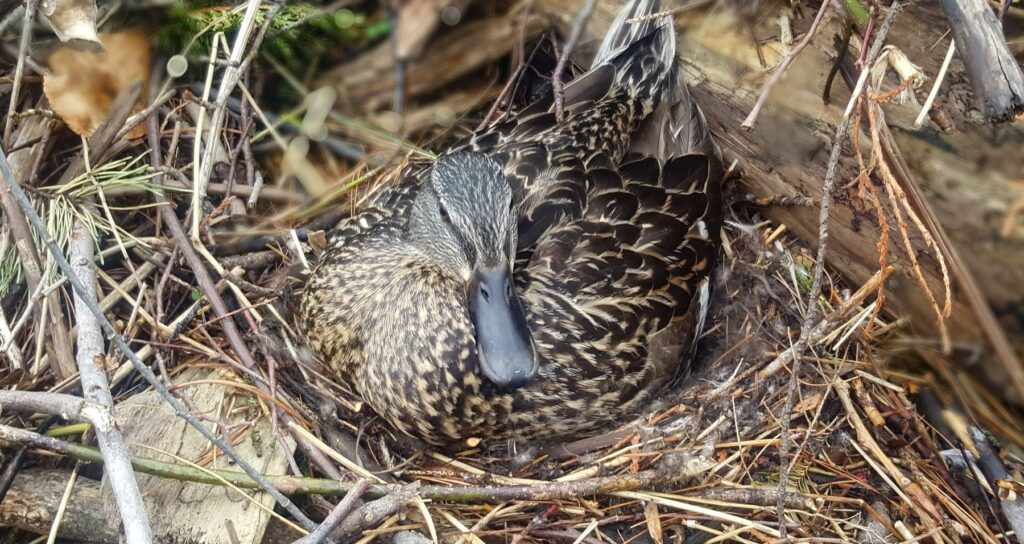
Jim Sugden’s homemade nesting tube on a two-year-old pond hatched mallard in both its first seasons, and the observations he sent to BASC won him a trail camera. The project behind the draw, and how a...
By News Desk | 26 November 2026
Get the latest news delivered direct to your door
Subscribe to Shooting Times & Country
Discover the ultimate companion for fieldsports enthusiasts with Shooting Times & Country Magazine, the UK’s leading weekly publication that has been at the forefront of shooting culture since 1882. Subscribers gain access to expert tips, comprehensive gear reviews, seasonal advice and a vibrant community of like-minded shooters.
Save on shop price when you subscribe with weekly issues featuring in-depth articles on gundog training, exclusive member offers and access to the digital back issue library. A Shooting Times & Country subscription is more than a magazine, don’t just read about the countryside; immerse yourself in its most authoritative and engaging publication.