
Wales rules out mass badger cull but opens door to targeted removal
The Welsh Government has accepted its Programme Board’s advice to act on cattle, people and wildlife at once: a mass, non-selective cull is off the table, badger surveys begin now with pilot areas possible from early 2027, and the 2041 TB-free target is admitted to be out of reach
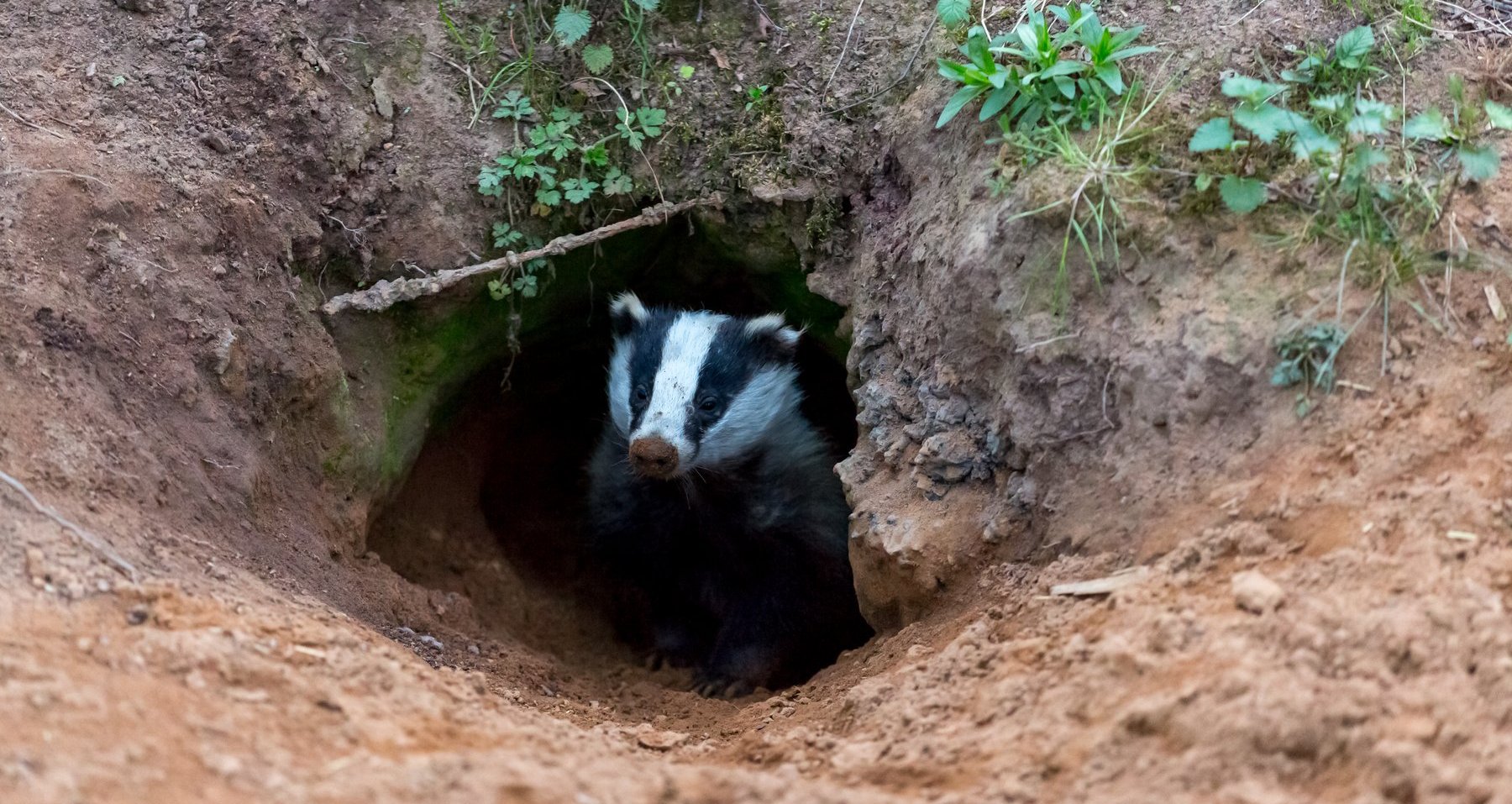

Llŷr Gruffydd, the Cabinet Minister for Rural Resilience and Sustainability, confirmed on Tuesday, 24 November that the Welsh Government will start acting now on the advice of its Bovine TB Eradication Programme Board while further work runs in parallel, against bovine tuberculosis (TB), across what it calls “the three pillars of cattle, people and wildlife”. The release that announced the decision states plainly that “a mass, non-selective, cull of badgers is not being pursued”, but the response document published alongside it says the work beginning now “may include testing, vaccination and release or removal of badgers in pilot areas”.
For the Welsh farmer who shoots, the keeper on a holding under restriction and the landowner whose ground carries setts, the practical change is a programme of survey and fieldwork rather than a cull: nothing alters on the ground this winter beyond the testing and vaccination already in place, and the first badger fieldwork is pencilled for early 2027 where the evidence justifies it.
What did the minister decide?
The Government says it “welcomes and supports the advice of the Programme Board” and “broadly accepts the direction and advice”. Mr Gruffydd said: “Bovine TB remains one of the most serious animal health challenges facing Wales.” He added: “Nearly 96% of herds in Wales are now TB free,” but “the status quo is not an option.”
“We will not stand by while farmers face uncertainty and anxiety, nor will we pursue a mass non-selective cull,” he said. “Where there is evidence of infection threatening farmers’ herds and consequently their livelihoods, we will intervene.” The Board’s own view, carried in the release, is that Wales is “unlikely to achieve Officially TB Free status by 2041”, the statutory target. The release gives no consultation date and no timetable for any intervention beyond the survey work.
The wildlife pillar: surveys first, pilots possible
On wildlife the response document says: “Additional surveillance and evidence gathering will commence now.” The Government will “assess existing evidence, investigate badger population characteristics and take forward targeted survey and fieldwork where evidence gaps remain”, and badger survey proposals are to be developed “so that fieldwork can begin in early 2027 where justified”. Modelling has been commissioned from the Animal and Plant Health Agency (APHA), with “APHA work continuing throughout the remainder of 2026 and 2027”.
“Badger vaccination may continue without further consultation, as an existing Welsh Government policy,” the document says, and “the outcomes of this work may underpin future consultation on a holistic approach to address bovine TB, including wildlife interventions”. It also commits to “advance wild deer surveillance”, which brings the stalker and the deer manager into the programme for the first time. Seven priority activities are to be scoped, assessed, costed and developed “through the remainder of 2026 and into 2027”, with medium-term measures “within 12 months” and “a new strategy” to be introduced beyond 2027.
What stays the same for the cattle keeper?
The document says “statutory herd skin testing should be maintained” and that “appropriate biosecurity, including informed purchasing, remains a critical line of defence”; the Government will “develop a stronger advisory offer with farmers and private vets”, backed by £4.5 million extra in the 2026 to 2027 draft budget “to support and accelerate preventative disease management”. Its figures show 95.7% of Welsh herds TB free at the end of June 2026. In the 12 months to June there were 477 new incidents, 59.7% below the 1,185 of 2009, with 10,090 animals slaughtered, 22.6% down on the 13,032 of the year before, and 655 herds under restriction against 2,268 in 2009. Herd prevalence stood at 4.3%, against 7.8% in 2009.
How the farming unions and campaigners responded
Ian Rickman, president of the Farmers’ Union of Wales (FUW), said: “We welcome the Welsh Government’s shift in narrative on Bovine TB eradication in Wales.” He said “targeted and proportionate action will now be taken on TB in wildlife where evidence supports this approach”, and that “the current target to be Officially TB Free by 2041 is currently out of reach”. The approach, he said, must be “driven by evidence and backed by science; not by political agenda”. The union put the cost of the last decade at 22.3 million cattle tests and more than 92,000 cattle slaughtered in the ten years to 2025.
The decision follows the Senedd vote of 15 July, when a Reform UK motion passed by 79 votes to nine calling for targeted wildlife control, including culling, to be given “full and proper consideration” if the Technical Advisory Group recommended it. Protect the Wild, which had written to Mr Gruffydd warning that it was considering a judicial review if culling were announced without consultation, had not responded to the decision by the time of writing, and nor had NFU Cymru. BBC Wales reported that a petition against culling had gathered more than 28,000 signatures on the Senedd website, and that officials said “selective removal” was possible in future but could give no timeline.
What happens next
The seven priority activities are costed and developed through the rest of 2026 and into 2027, APHA’s modelling runs through next year, and badger survey proposals are drawn up for fieldwork from early 2027 where justified. Any pilot involving removal, and any wider wildlife intervention, would come only after that evidence is in and, on the Government’s own wording, after consultation. Statutory skin testing, pre-movement checks and vaccination continue as now. The press release, the response document and the FUW statement are linked below; Shooting Times will follow the survey proposals as they are published.
Frequently asked questions
Is Wales going to cull badgers?
Not on a mass scale. On 24 November 2026 the Welsh Government said a mass, non-selective cull is not being pursued, but its response document says the survey work beginning now may include testing, vaccination and release or removal of badgers in pilot areas, with fieldwork from early 2027 where justified.
Will Wales be TB free by 2041?
The Programme Board says Wales is unlikely to achieve Officially TB Free status by 2041, and the Farmers’ Union of Wales says the target is out of reach. The Government has not yet replaced it; a new strategy is promised beyond 2027.
What changes for Welsh cattle farmers now?
Statutory herd skin testing continues, biosecurity and informed purchasing stay the first line of defence, and a stronger advisory offer with farmers and private vets is to be developed with £4.5 million extra in the 2026 to 2027 draft budget.
 Closes 15 JanuaryWorth £129.90Win a pair of tickets to the British Shooting Show 2027Enter nowFree to enter
Related Articles

Rural crime cost: Home Office holds no figure, minister admits
The only national estimate of what rural crime costs is an insurer’s claims book, policing minister Sarah Jones has told MPs, because the theft of a keeper’s quad bike is counted as a theft like any o...
By News Desk | 26 November 2026
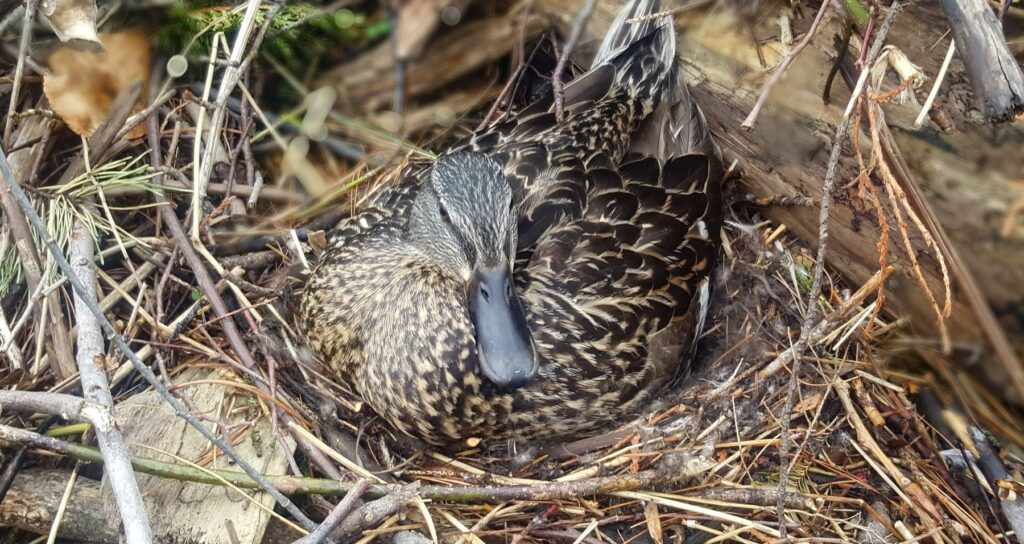
Duck nest monitoring draw won by Aberdeenshire syndicate Gun
Jim Sugden’s homemade nesting tube on a two-year-old pond hatched mallard in both its first seasons, and the observations he sent to BASC won him a trail camera. The project behind the draw, and how a...
By News Desk | 26 November 2026
Get the latest news delivered direct to your door
Subscribe to Shooting Times & Country
Discover the ultimate companion for fieldsports enthusiasts with Shooting Times & Country Magazine, the UK’s leading weekly publication that has been at the forefront of shooting culture since 1882. Subscribers gain access to expert tips, comprehensive gear reviews, seasonal advice and a vibrant community of like-minded shooters.
Save on shop price when you subscribe with weekly issues featuring in-depth articles on gundog training, exclusive member offers and access to the digital back issue library. A Shooting Times & Country subscription is more than a magazine, don’t just read about the countryside; immerse yourself in its most authoritative and engaging publication.