★ Your magazine. Your say. Complete our reader survey with a chance to win Jack Pyke kit worth £500! ★


Brood-rearing habitat: the key to gamebird chick survival
The GWCT's Alex Keeble explains why providing insect-rich cover for newly hatched chicks does more for their survival than anything else


Brood-rearing habitat is one of the most important factors influencing the survival and productivity of gamebirds. For species such as grey partridge, red-legged partridge and pheasant, the period immediately after hatching is critical.
The most important requirement is an abundant supply of insects. A grey partridge chick may consume up to 2,000 insects a day to support rapid growth and feather development. Key prey include sawfly larvae, caterpillars, aphids, weevils, leaf beetles and small ground beetles.
Historically, suitable brood habitat was widespread across the British countryside. Thin, weedy cereal crops supported large insect populations and provided ideal feeding conditions. Agricultural intensification has since reduced both weed diversity and insect abundance. Modern crops are typically denser, cleaner and more heavily managed with herbicides and insecticides. While improving crop yields, these practices have reduced the availability of chick-food insects and diminished brood-rearing conditions.
Structure matters as much as food
Food availability alone is not enough; vegetation structure is equally important. The best brood habitat provides a protective canopy overhead, screening chicks from predators, while remaining open and accessible at ground level. Chicks need to move freely through vegetation while foraging. Dense, matted or wet cover restricts movement and makes feeding more difficult, whereas sparse cover exposes chicks to predators and poor weather. An ideal structure combines shelter with easy access to food-rich areas beneath the vegetation.
The location of brood habitat is also important. Newly hatched chicks are mobile but cannot travel far. If feeding areas are too distant from nesting sites, broods may struggle to obtain enough food during this critical stage. Locating insect-rich habitat beside nesting cover allows chicks to feed efficiently soon after hatching and increases their likelihood of survival.
Margins, headlands and wild bird seed
Field margins are among the most valuable brood-rearing habitats. Wide, well-managed margins support diverse plant communities and high insect densities while experiencing relatively little disturbance during the breeding season. They provide excellent feeding opportunities and often link habitats across the wider landscape. Margins next to nesting cover are particularly beneficial as they provide immediate access to food.
Conservation headlands remain one of the most effective brood-rearing options. These are strips around cereal fields where pesticide use is reduced and fertiliser applications are generally avoided. This encourages broadleaved plants and associated insects while maintaining a more open crop structure. Conservation headlands consistently support higher numbers of chick-food insects than conventionally managed crop edges and can make a major contribution to breeding success.
Further opportunities can be provided through unharvested cereal headlands, wild bird seed mixtures and wildflower plots. Unharvested cereal headlands, typically 3m to 6m wide, provide shelter and feeding opportunities throughout the brood-rearing season. Wild bird seed mixes containing a range of plant species can support large numbers of insects while creating suitable canopy cover. Well-designed wildflower plots attract diverse invertebrates over an extended flowering period, providing valuable feeding conditions for growing chicks.
Areas containing a mixture of native flowering plants, broadleaved weeds and grasses support a far greater abundance of invertebrates than intensively managed crops. A varied plant community also extends flowering times, helping maintain insect availability from late spring to early autumn.
Beetle banks can also play an important role. These raised grass strips support ground beetles and other invertebrates that contribute to a chick’s diet.
Three essentials, close to the nest
Effective brood-rearing habitat combines three essential features: plentiful insect food, protective cover and unrestricted movement at ground level. Where these requirements are met close to nesting areas, chick survival can improve substantially. Consequently brood-rearing habitat remains a cornerstone of successful gamebird conservation and sustainable population management across the UK countryside.
Alex Keeble is the GWCT’s game and wildlife adviser for Central England. Alex grew up in Suffolk, with a passion for farming, fieldsports and wildlife conservation. He previously spent 10 years as a full-time gamekeeper and deer manager on estates in the Cotswolds and the Chilterns.
Advice from the GWCT
For further information on enhancing wild gamebird production, contact the GWCT Advisory Service at advisory@gwct.org.uk.
Frequently asked questions
How many insects does a grey partridge chick eat?
A grey partridge chick may consume up to 2,000 insects a day to support rapid growth and feather development, with sawfly larvae, caterpillars, aphids, weevils, leaf beetles and small ground beetles among the key prey.
What is a conservation headland?
A strip around a cereal field where pesticide use is reduced and fertiliser generally avoided, encouraging broadleaved plants and their insects while keeping the crop structure open. Conservation headlands consistently hold more chick-food insects than conventionally managed crop edges.
What makes good brood-rearing habitat?
Three things together: plentiful insect food, a protective canopy overhead and unrestricted movement at ground level – and all of it close to nesting cover, because newly hatched chicks cannot travel far to feed.

About the author
Alex Keeble
Suffolk-raised Alex Keeble began gamekeeping at 17, later working full-time on estates in the Cotswolds and Chilterns. A conservation and environment graduate, he joined the GWCT in 2021 as Central England Game and Wildlife Advisor, managing Loddington and advising on habitat and biodiversity. He's also a freelance writer and columnist.
Related Articles

The release pen is where the shooting season is won or lost
From trail-feeding and dogging-in to relentless fox control, gamekeeper Mike Appleby explains how the work around the release pen quietly decides the season ahead
By Mike Appleby | 8 September 2026
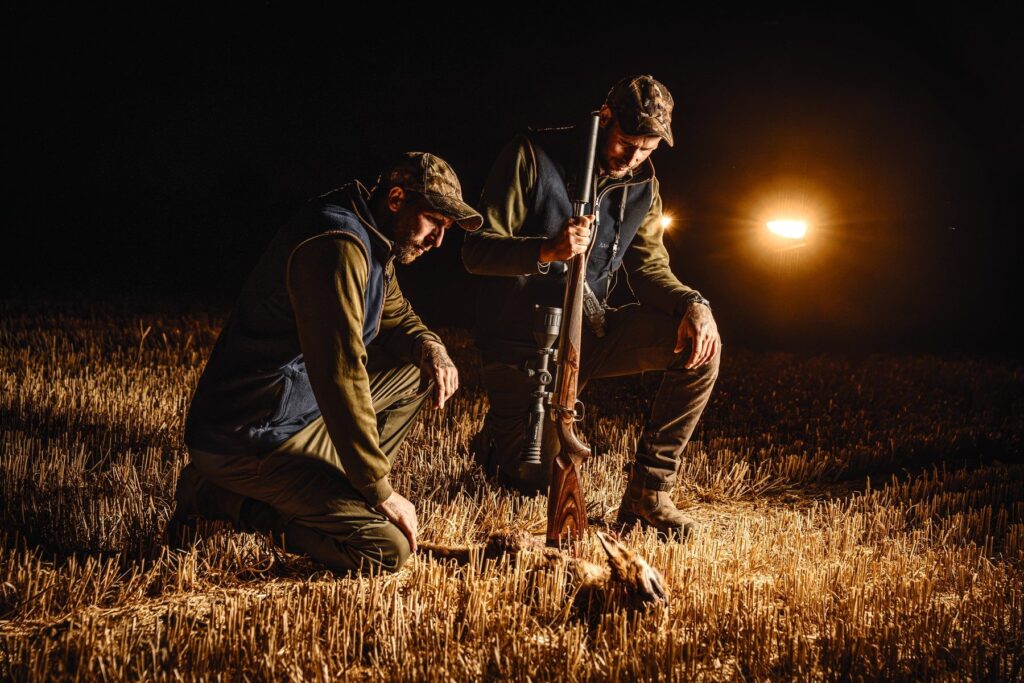
Modern fox control after dark: a night of thermal foxing in Essex
Miles Malone joins an expert two-man team on a north Essex shoot for a night of fox control, where thermal optics, close teamwork and precision shooting have replaced the lamp he grew up with
By Miles Malone | 4 September 2026
Get the latest news delivered direct to your door
Subscribe to Shooting Times & Country
Discover the ultimate companion for fieldsports enthusiasts with Shooting Times & Country Magazine, the UK’s leading weekly publication that has been at the forefront of shooting culture since 1882. Subscribers gain access to expert tips, comprehensive gear reviews, seasonal advice and a vibrant community of like-minded shooters.
Save on shop price when you subscribe with weekly issues featuring in-depth articles on gundog training, exclusive member offers and access to the digital back issue library. A Shooting Times & Country subscription is more than a magazine, don’t just read about the countryside; immerse yourself in its most authoritative and engaging publication.