

Grey partridge pairs up ninefold on Gloucestershire shoot
Habitat, insect food and predator control have taken Ponsonby Farms from 17 pairs to 159 in nine years, and the farm's songbirds have followed
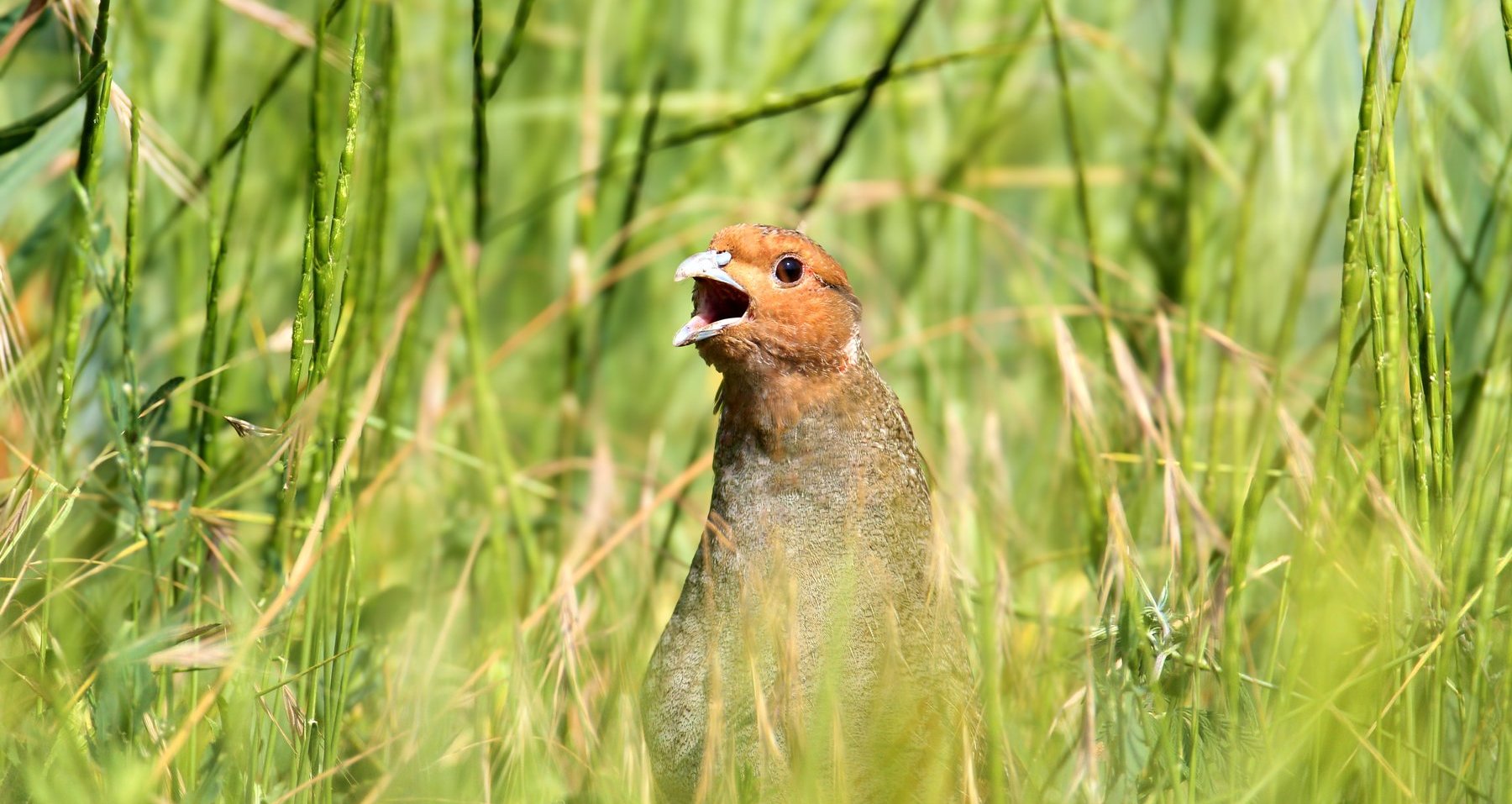

Spring pair counts at Ponsonby Farms in Gloucestershire have reached 26.5 pairs per square kilometre, up from around 2.8 in 2017, on ground that the British Association of Shooting and Conservation’s (BASC) case study, published on 2 September, says was never classic partridge country. The wild grey partridge recovery at the farm, from 17 pairs to 159 in nine years, is presented by the association as a working model of habitat, insect food and predator management pulling together.
What has changed at Ponsonby Farms since 2017?
George Ponsonby farms about 3,500 acres of owned, rented and contract ground, with the shoot run over 1,500 acres of it. Soil types are mixed and there is a good deal of woodland, so the plan was to build what the birds need rather than wait for perfect ground.
Under environmental scheme options the farm has established 49ha of flower-rich covers and 30ha of winter bird food, with 12 beetle banks running through the larger fields. The banks give nesting cover and hold the beetles and spiders that chicks feed on, and the case study notes the birds sometimes choose them over hedge banks, possibly for the protection they offer from predators.
Insects get further help from the sprayer staying in the shed: routine insecticide use on the arable crops has been cut back, with no preventative applications.
Predator control timed to the nesting season
Rats, crows and foxes are controlled from March to July, the months when grey partridges and the farm’s other ground-nesting birds are most vulnerable. It is the third leg of the recovery: cover to nest in, insects to feed on and a spring in which broods can survive.
New Sustainable Farming Incentive agreements have added overwinter cover crops, and George believes winter losses are now at their lowest level by some margin, part of the reason counts took their latest step up.
What has the recovery done for other farmland birds?
A winter bird survey commissioned in 2020 from ornithologists Neil Harris and Matt Wilmot found declining and threatened farmland species in concentrations considerably higher than in the surrounding countryside, and the surveyors singled out skylark, yellowhammer and corn bunting as beneficiaries of the partridge work. In 2022 the farm won the Purdey Gold Award for Game and Conservation.
What happens next
The habitat is in place for another winter, with the new agreements’ overwinter cover now part of the rotation, and keeper Niall Wright carries on the fieldwork begun with Frank Snudden. The full case study can be read on the BASC website.
Frequently asked questions
How many grey partridges are there at Ponsonby Farms?
Spring 2026 counts recorded 159 pairs, or 26.5 pairs per square kilometre, up from 17 pairs in 2017.
What is a beetle bank?
A raised grass strip run through a large arable field, giving ground-nesting birds cover and holding the beetles and spiders that chicks feed on. Ponsonby Farms has established 12.
Why does predator control matter for grey partridge recovery?
Grey partridges nest on the ground, so eggs and broods are exposed through spring and early summer. At Ponsonby Farms rats, crows and foxes are controlled from March to July, covering the nesting season.
 Closes 15 JanuaryWorth £129.90Win a pair of tickets to the British Shooting Show 2027Enter nowFree to enter
Related Articles
Tribunal ruling opens farmers' pesticide records to public requests
The General Regulatory Chamber has ruled that the spray records farmers must keep are held on the Health and Safety Executive's behalf and can be requested by the public, after a case brought to a hea...
By News Desk | 9 November 2026

Game shooting can be justified, student, 17, tells Government review
Felix Hodgkinson-Last weighed both sides of the argument for his A-level project, concluded the sport can be justified, and filed it as evidence
By News Desk | 5 November 2026
Get the latest news delivered direct to your door
Subscribe to Shooting Times & Country
Discover the ultimate companion for fieldsports enthusiasts with Shooting Times & Country Magazine, the UK’s leading weekly publication that has been at the forefront of shooting culture since 1882. Subscribers gain access to expert tips, comprehensive gear reviews, seasonal advice and a vibrant community of like-minded shooters.
Save on shop price when you subscribe with weekly issues featuring in-depth articles on gundog training, exclusive member offers and access to the digital back issue library. A Shooting Times & Country subscription is more than a magazine, don’t just read about the countryside; immerse yourself in its most authoritative and engaging publication.

