

Stalking diary: new ground in North Yorkshire, and pheasants that send a Cumbrian buck bolting
New, flat ground in North Yorkshire adds a fresh dimension to Al Gabriel’s season, while in Cumbria a flush of pheasants gives him away to the resident roebuck
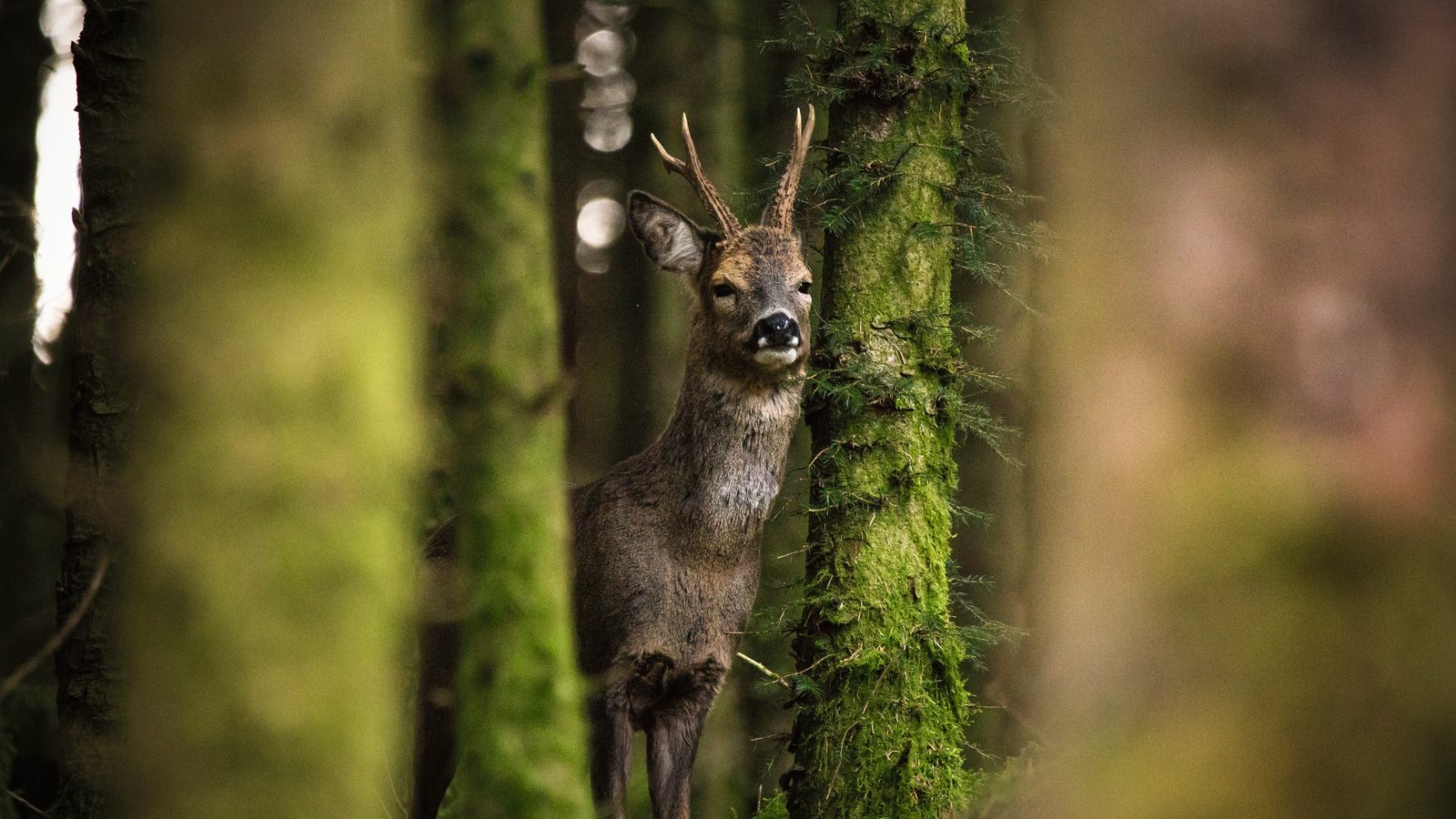

The success of summer stalking brings with it the welcome obligation of generosity, and my freezer has not groaned under such a payload for quite some time. I have been distributing prime venison to local friends and neighbours, a gesture that never fails to bring quiet satisfaction.
At home, this wild bounty is matched by a bumper yield from my allotment, leaving me self-sufficient in meat and vegetables after a summer of shows, stalking and harvesting. Yet, as damp signs of autumn settle over the countryside, I find myself standing before the thermostat, engaged in that solemn British dilemma of whether to turn on the central heating.
Alongside these seasonal shifts at home, my acquisition of new ground in North Yorkshire has added a fresh dimension to the season, representing the flattest expanse of country I have ever taken on. It is a working arable farm with a modest population of roe deer and whispers of fallow hovering on the periphery, though I have predominantly used it for pigeon shooting and exercising my non-working dog.
Sporadic sightings on open arable ground
Given the sparse cover, deer sightings are sporadic, but I have bumped into a few animals during recent strolls. Whether this open terrain proves a fruitful addition or merely a windy spot for a dog walk remains to be seen, but I shall keep you apprised of progress.
Meanwhile, stalking in these strange economic times has taken its toll on the pocket, with £2-a-litre diesel making a three-hour round trip to Cumbria feel like a major financial undertaking. As expected, the post-rut lull of September has settled in, bringing a quiet spell following the bounty of August.
Recent outings have been unfruitful, yet the weather has held nicely, offering a pleasant backdrop even as roebuck activity drops to a trickle. The woods are shifting once again, the winds are cooling, and local wildlife is preparing for the turn of the season.
This changing climate brings a particular plague to the thermal imager: an absolute explosion of pheasants creating what can only be described as thermal pollution. Every heat signature glinting through the canopy demands a double take, though it is heartening to see the woods pulsing with life, right down to wild ducks on the farm pond.
My Cumbrian ground remains a delight, being blissfully free of ticks and providing a reprieve after a summer spent picking off unwanted passengers. The canopy is beginning to show its first flecks of amber, signalling that visibility will soon return as shortening days bring thermal gear back into its element.
It was during one of these autumn outings that I picked up a pair of roe on the far edge of the wood, but approaching them proved a fool’s errand. The wind whipped up stronger than anticipated, dictating a tactical pause; broadcasting my scent across the woodland seemed an uninspired strategy. I attempted to circle around to work the breeze, but shifting air thwarted every move, and the pair vanished quickly.
Pheasant alarm calls and a bolting roebuck
Remaining on the perimeter, I monitored the wind, only to be reminded of why gamebirds are the bane of the woodland stalker. I accidentally flushed half a dozen pheasants, their deafening wing-beats and alarm calls broadcasting my exact co-ordinates.
Unknown to me, the resident buck was tucked up neatly behind a mound less than 60 yards away. In a delightful twist of shared ignorance, I assumed there were no deer in the vicinity, and he assumed the woods were clear of stalkers. Flustered by the commotion of screaming pheasants erupting around his ears, he bolted for the treeline like a scalded cat before I could slip the rifle off my shoulder.
It is always a pleasure to watch gamebirds feeding in twilight, but trying to stalk quietly among them remains an utter nightmare. Still, with the driven season under way, the beaters will soon thin out the pheasants, and I might finally get my woods back to myself.
Al Gabriel is a molecular biologist and keen deerstalker with a strong interest in promoting diversity and public understanding of fieldsports. He recently moved to North Yorkshire.
Frequently asked questions
Why do pheasants make woodland stalking harder?
Flushed pheasants give loud wing-beats and alarm calls that tell every deer nearby exactly where the stalker is, and in autumn their numbers fill a thermal imager with heat signatures that each need a second look.
What is the post-rut lull in roe deer?
After the roe rut in late July and August, buck activity drops away in September, so outings tend to be quieter until the leaves fall and visibility returns.

About the author
Al Gabriel
A Northumberland-based molecular biologist with a background in ecology and genetics, Dr Al Gabriel is a BASC Council member, keen deer stalker, and freelance shooting writer promoting diversity in country sports.
 Closes 15 JanuaryWorth £129.90Win a pair of tickets to the British Shooting Show 2027Enter nowFree to enter
Related Articles

Carcass to larder: field dressing, hygiene and the cold chain for selling deer into the food chain
Everything between the shot and the chiller decides whether a deer reaches the game dealer as a saleable product or a problem – a step-by-step guide to trained-person status, the elevated gralloch, tr...
By Shooting Times | 4 November 2026
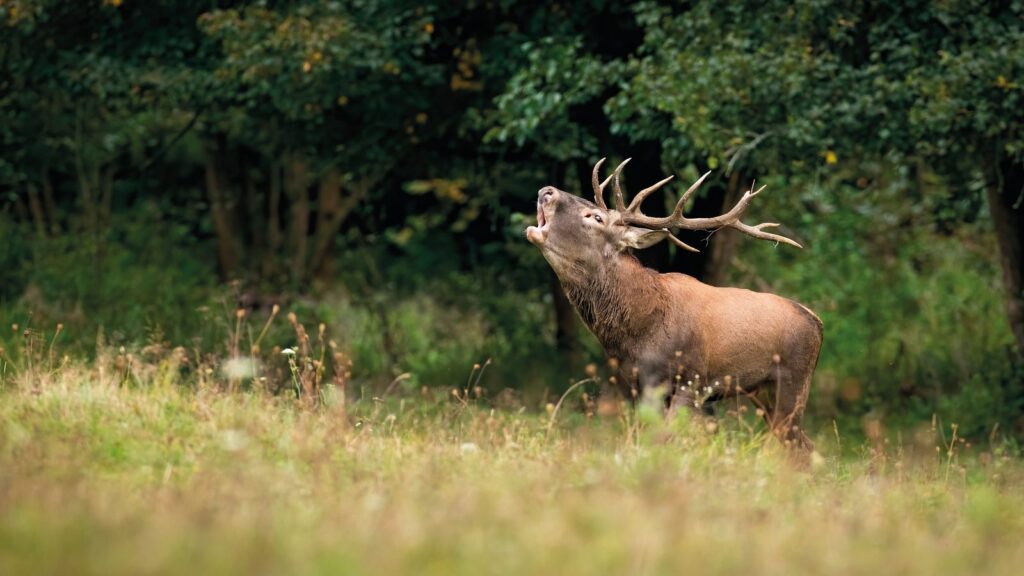
Stalking diary: a novice’s first stag at the height of the roar, and why the woodland rut seems so quiet
Chris Dalton takes a first-time stalker into a Galloway hill forest at the peak of the roar, and reflects on why red stags in woodland seem to say so much less than those on the open hill
By Chris Dalton | 4 November 2026
Get the latest news delivered direct to your door
Subscribe to Shooting Times & Country
Discover the ultimate companion for fieldsports enthusiasts with Shooting Times & Country Magazine, the UK’s leading weekly publication that has been at the forefront of shooting culture since 1882. Subscribers gain access to expert tips, comprehensive gear reviews, seasonal advice and a vibrant community of like-minded shooters.
Save on shop price when you subscribe with weekly issues featuring in-depth articles on gundog training, exclusive member offers and access to the digital back issue library. A Shooting Times & Country subscription is more than a magazine, don’t just read about the countryside; immerse yourself in its most authoritative and engaging publication.

